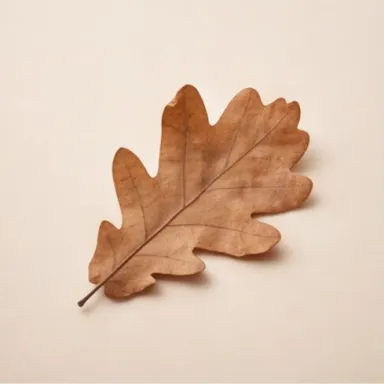
Oak
Dry, sturdy wood with a faint smoky, earthy bitterness, like old timber.
You may know it from An old oak table or wine barrel.
Where it comes from
Extracted or distilled from the wood of oak trees.
Botanical name: Quercus
Worth knowing
Oak is different from oakmoss, a lichen with a greener, mossier smell.
About oak
The word "oak" on a perfume label can point at three different materials. Oakmoss is a lichen that grows on oak bark. Oak absolute is made from wood chips. The third is the lactone-rich character of the toasted oak that coopers use. The tree itself is a hardwood of the genus Quercus, with some 475 species spread across the Northern Hemisphere.
The barrel smell is the one most people have in mind. Barrels for aging wine, sherry, brandy and Scotch whisky are made from oak. Staves are seasoned in the open air for 24 to 36 months to leach out harsh tannins, then toasted or charred lightly, medium or heavily, as the buyer orders. Whisky lactones form from precursors in the wood when it is toasted. One supplier describes methyl octalactone as warm and woody, with a coconut note, a winey, cask-like sweetness, a hint of maple syrup and a dry oak edge. American oak carries two to four times as many lactones as French oak.
Extracts of the wood itself exist too. A solvent draws an absolute from oakwood, and suppliers describe it as a smooth, earthy, sweet wood with soft vanilla and whiskey-like undertones and faint leather and tobacco backnotes. A CO2 extract is sold with a different profile, a complex woody aroma with dried fruit, whiskey and rum nuances. In a composition oak sits in the base, giving a dry, tannic structure with vanillic warmth underneath.
Perfumers who want the barrel effect use whiskey lactone and related molecules. The odorants usually named for oak are those lactones, vanillin, eugenol and guaiacol. Oakmoss is the material whose use in perfumes is now highly restricted, and that restriction does not describe oak wood.
Barrel oak is priced by origin. In late 2007 a standard American oak barrel cost US$600 to 800, while French oak started at US$1200.
Accords it shows up in
How many of the fragrances listing Oak in our catalogue also carry each accord. We counted this ourselves.
Often paired with
The notes that appear next to Oak most often in our catalogue.











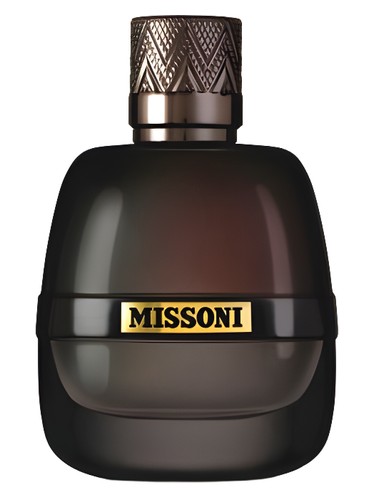
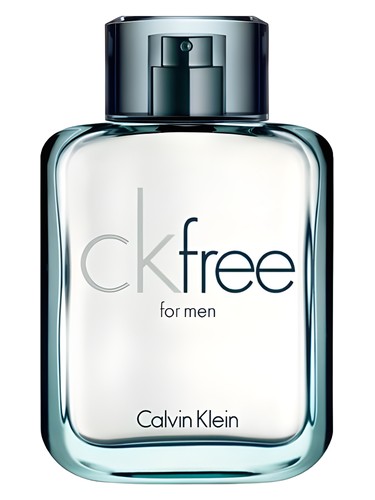
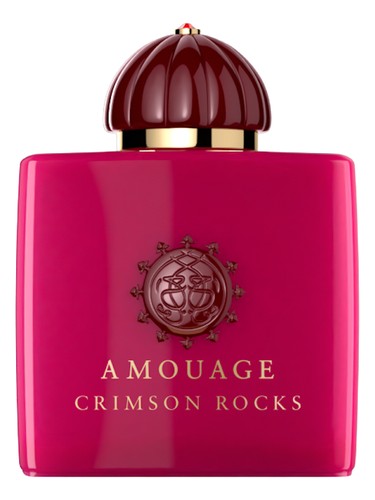
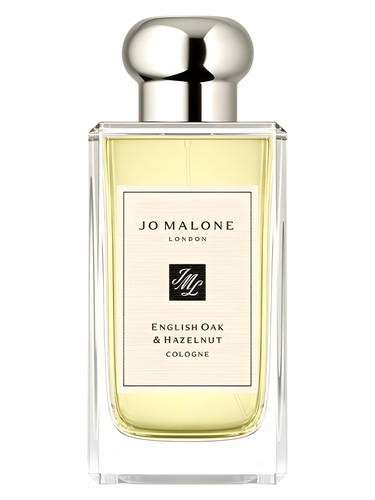
Well-known fragrances with Oak
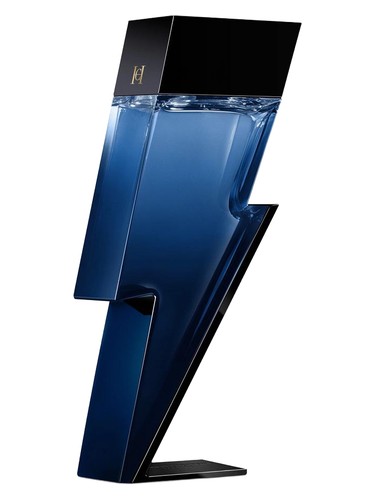
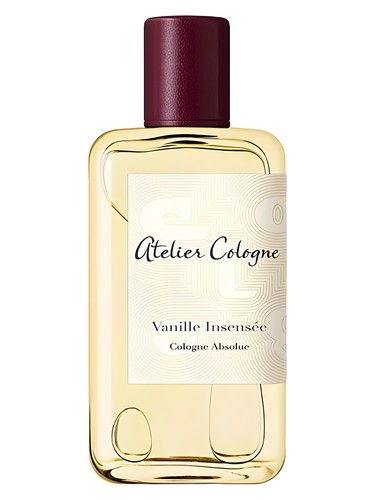
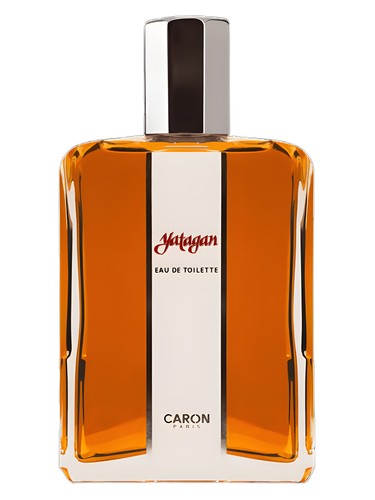
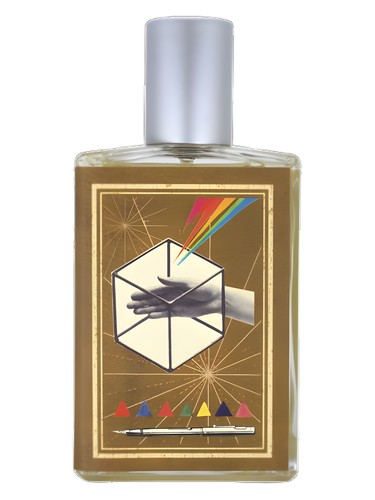
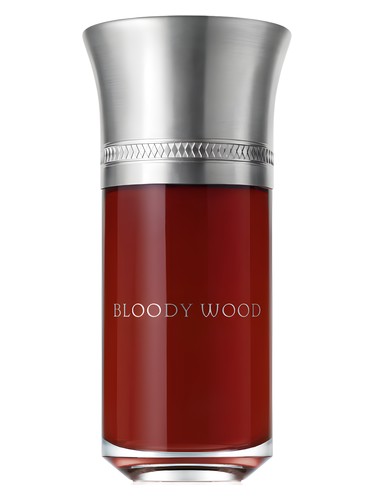
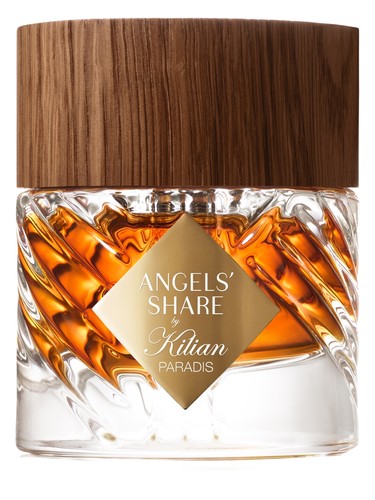
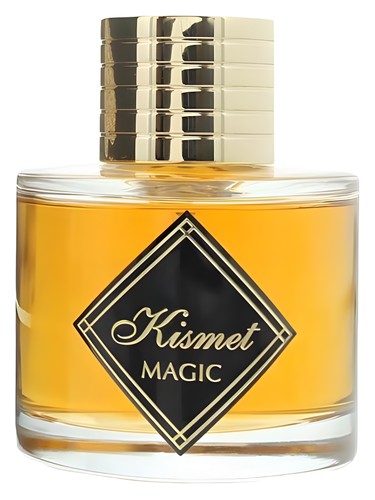
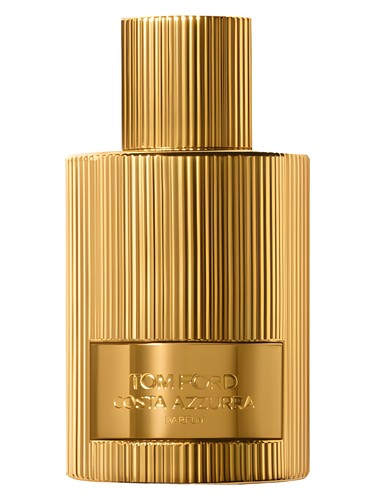
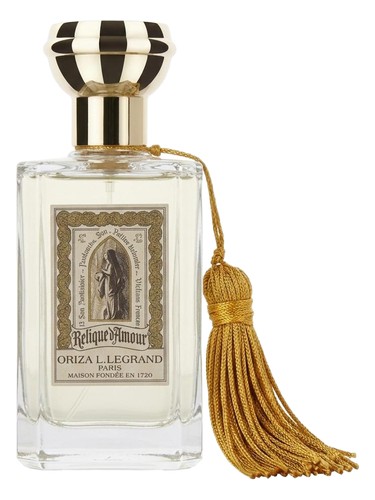
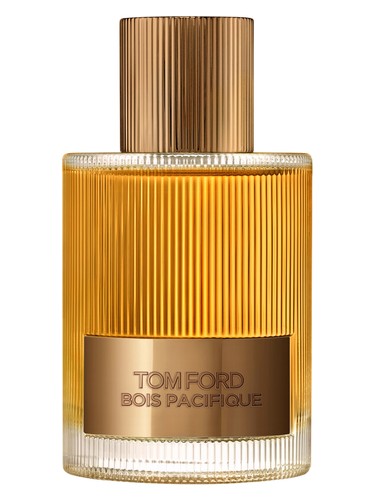
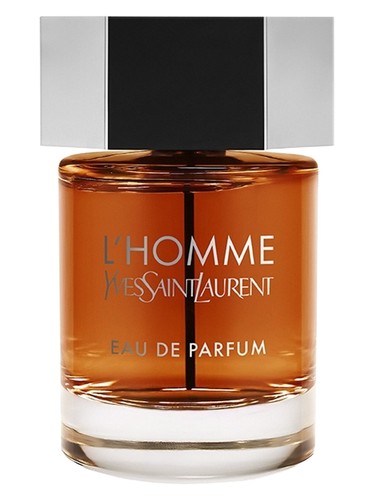
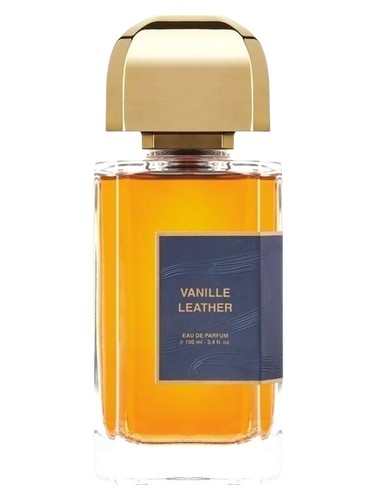
Fragrances that list it in their notes, most-rated first.
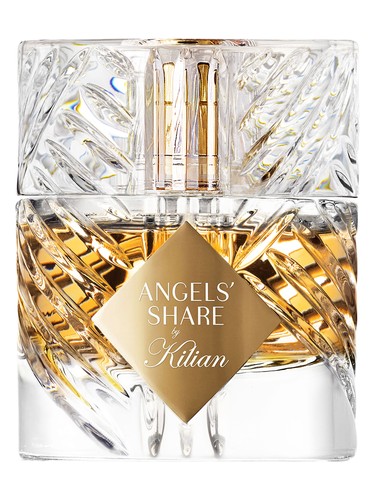
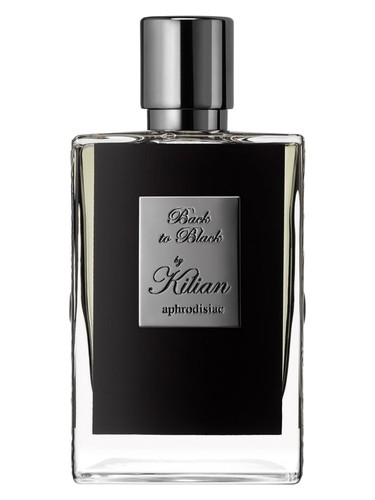
Houses that use it most
Ranked by how many of their well-known fragrances list Oak.