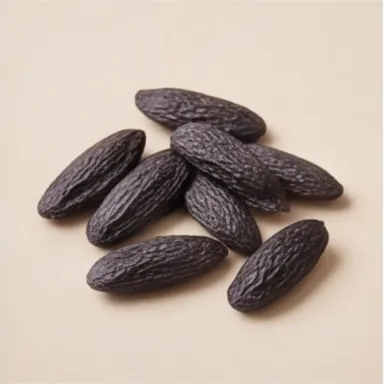
Tonka Bean
Warm vanilla, toasted almond, hay and a hint of sweet spice.
You may know it from Freshly mown hay
Where it comes from
Extracted from South American tonka seeds or recreated with coumarin.
Botanical name: Dipteryx odorata
Worth knowing
It smells almond-like, but tonka is a seed, not an almond.
About tonka bean
Perfumery uses the seed of Dipteryx odorata, a South American tree that grows wild in the Amazon and Orinoco basins. The smell belongs to one molecule, coumarin, and the sources disagree on how much of it the bean holds. The raw seed is usually put at 1 to 3 percent, rarely up to 10. One trade blog says 46. ScenTree puts 50 to 70 percent in the absolute, which is the extract made from the beans.
Coumarin was first isolated from tonka in 1820 by A. Vogel of Munich, who at first took it for benzoic acid; another trade source dates the isolation to 1856. William Henry Perkin synthesised it in 1868, so a perfumer no longer needs the bean to get the note. Houbigant's Fougère Royale by Paul Parquet used coumarin and founded the fougère family, in 1882 or 1884 depending on which source you read. Cafleurebon also points to Guerlain's Jicky of 1889, which combines synthetic coumarin and vanillin with citrus and herbs, and to Shalimar, where tonka gives depth under the florals.
The fruits are gathered from the forest floor after they fall. Sources place that anywhere from January to May, so the calendar is not settled. Venezuela is the major producer, followed by Brazil and Colombia. Biolandes makes its absolute from Venezuelan beans dried for a few weeks first. The traditional cure soaks the beans in alcohol, generally rum, then dries them, and coumarin can crystallise on the surface as a white frost. A shorter process removes the shell and dries the beans for two to three days.
Food and fragrance are treated differently. The US FDA has regarded tonka-bean foods as adulterated since 1954, when coumarin was banned as a food additive, largely over liver toxicity in rodents. The EU sets limits instead, such as 50 mg/kg in bakery ware labelled as cinnamon. In perfume, IFRA limits coumarin for skin sensitisation at 1.5% in a category 4 finished product, and the EU lists it among the fragrance allergens that must be declared.
Accords it shows up in
How many of the fragrances listing Tonka Bean in our catalogue also carry each accord. We counted this ourselves.
Often paired with
The notes that appear next to Tonka Bean most often in our catalogue.











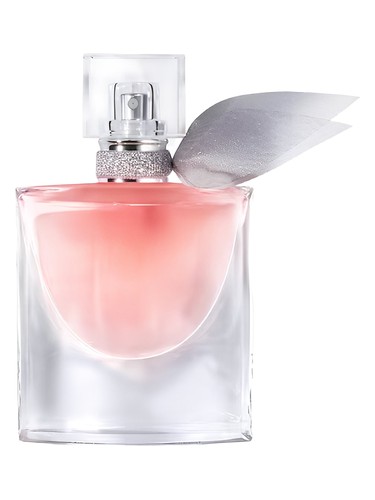
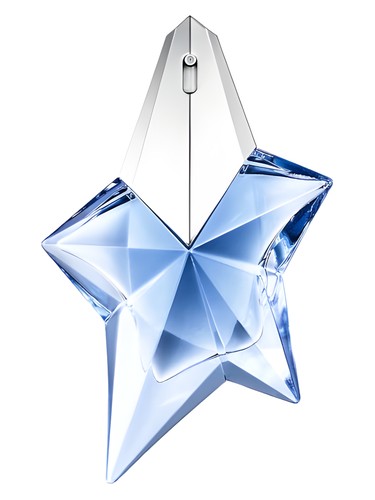
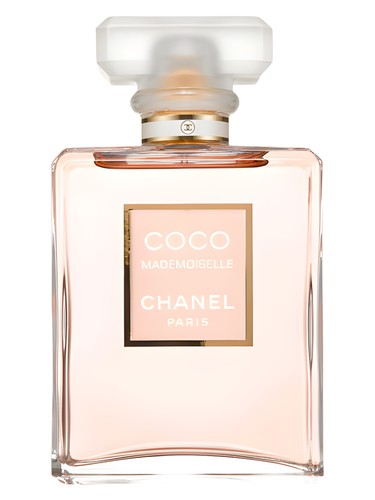
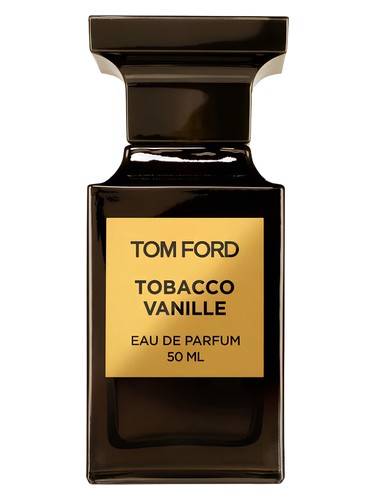
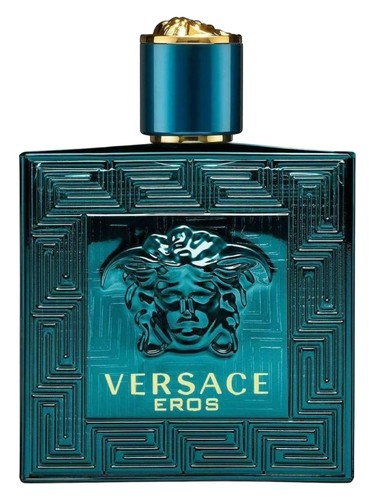
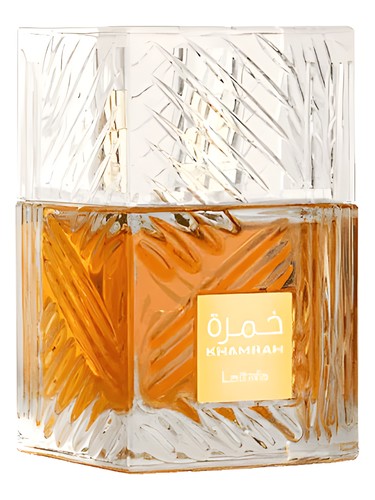
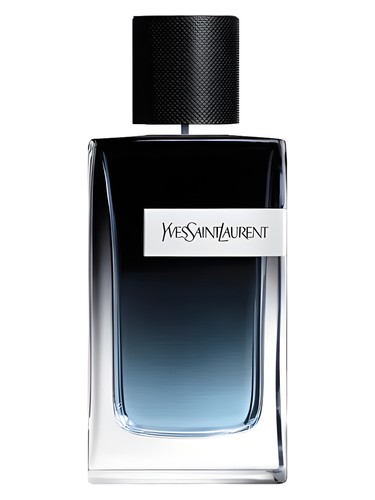
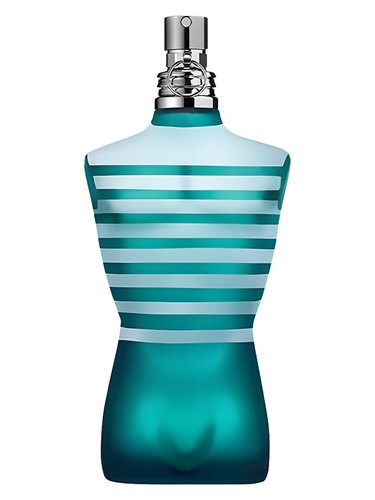
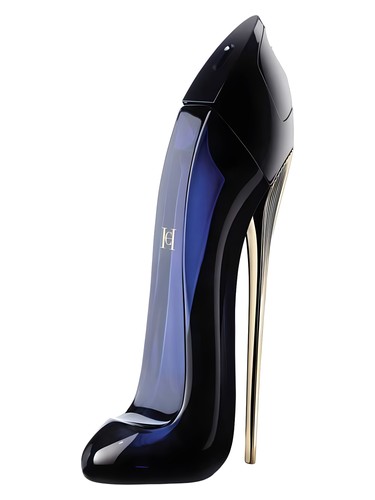
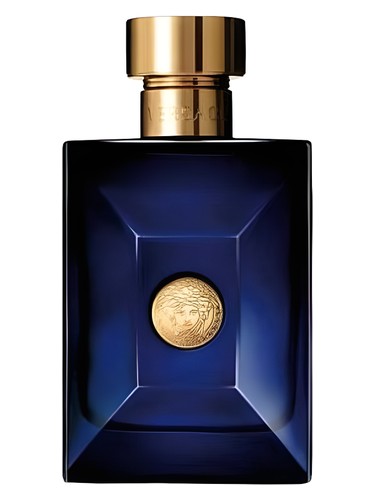
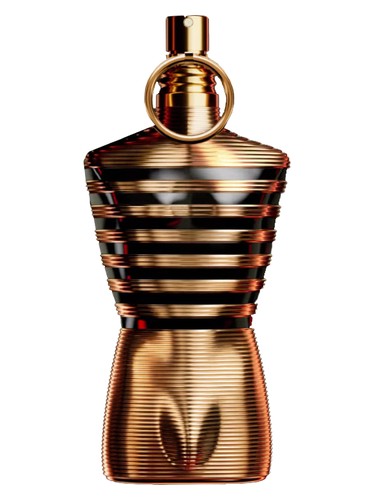
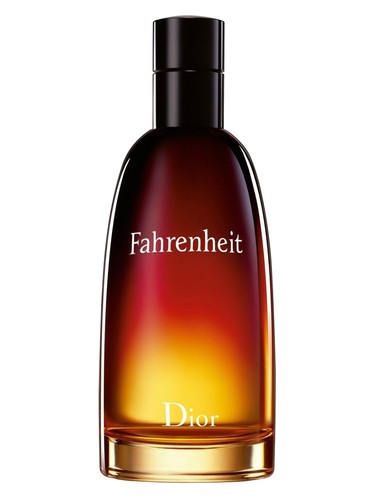
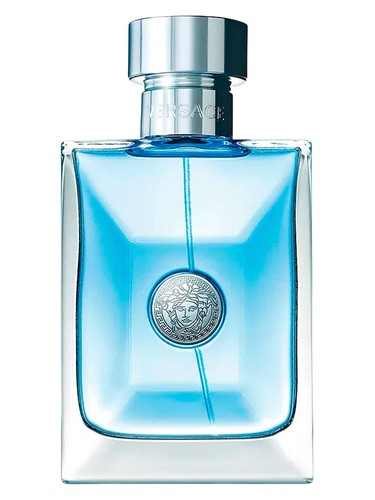
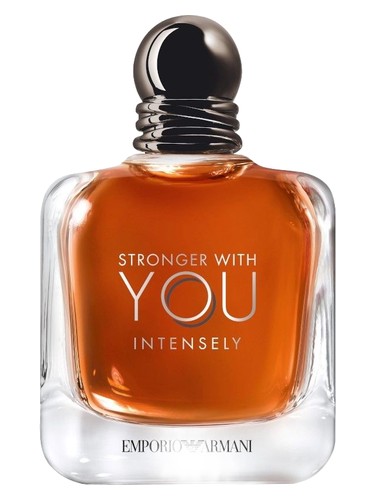
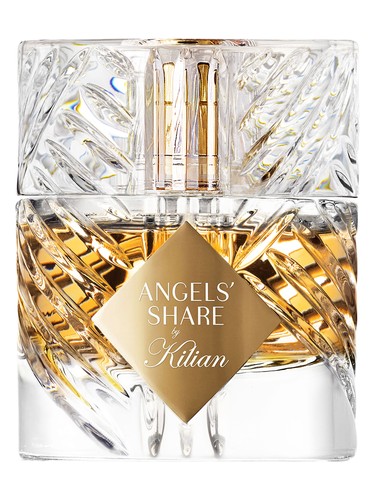
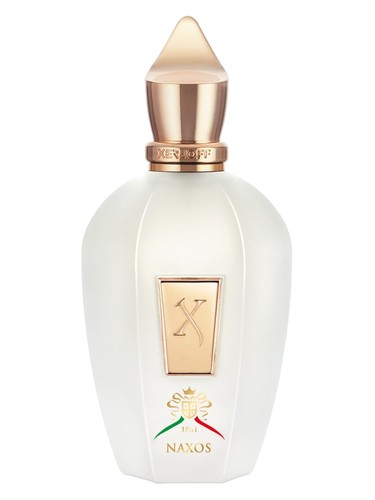
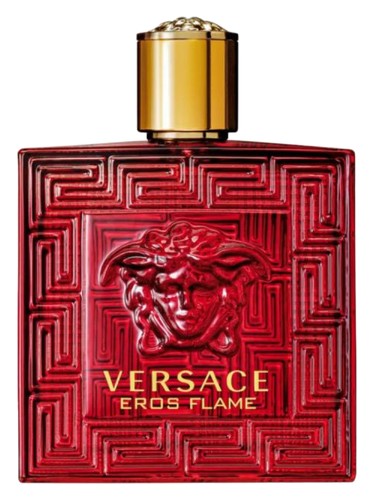
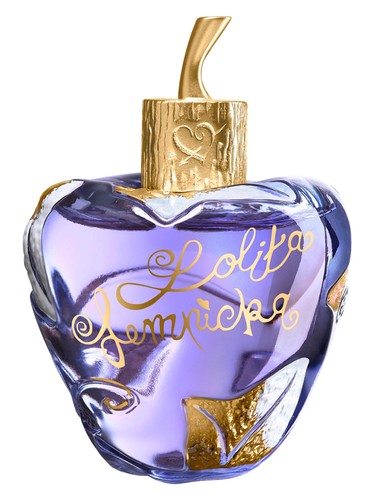
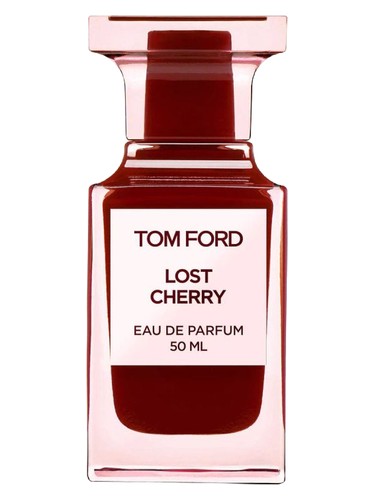
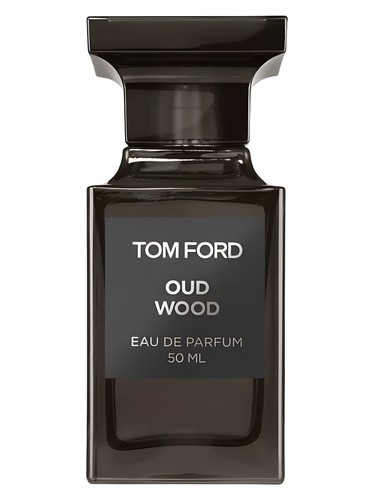
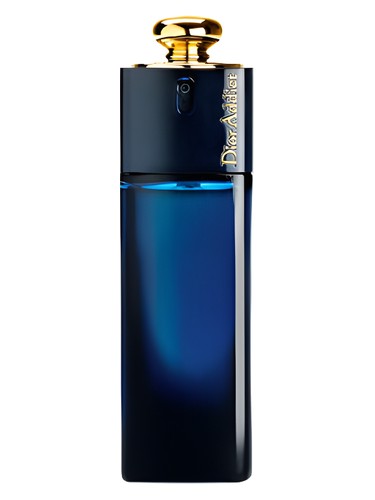
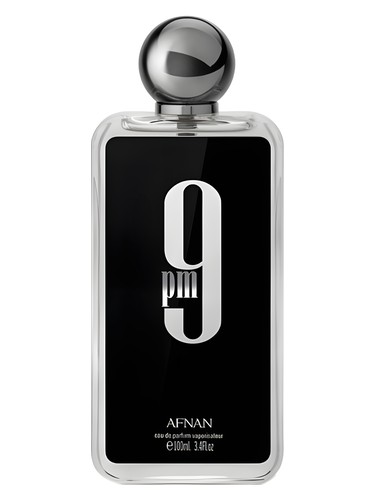
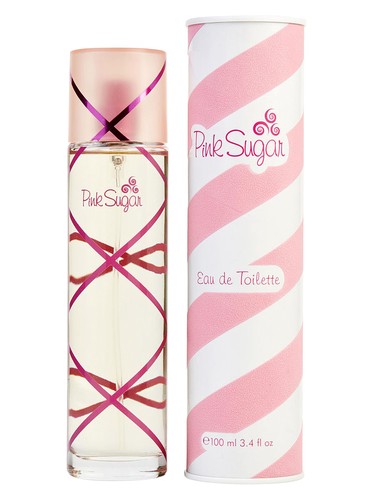
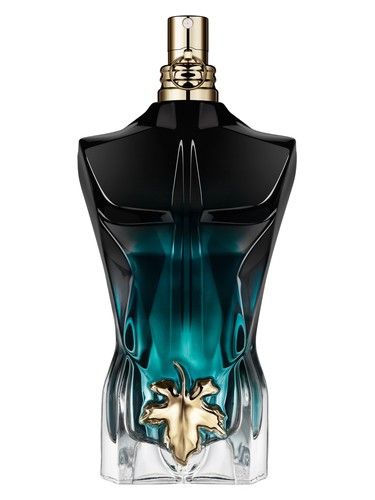
Well-known fragrances with Tonka Bean
Fragrances that list it in their notes, most-rated first.
Houses that use it most
Ranked by how many of their well-known fragrances list Tonka Bean.