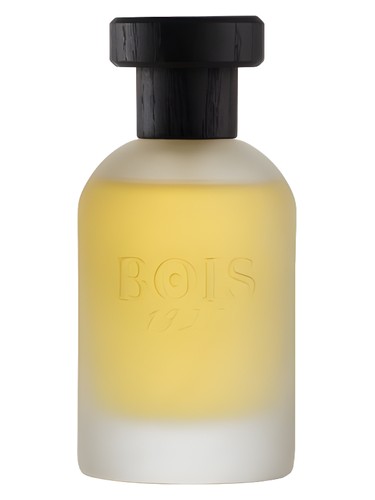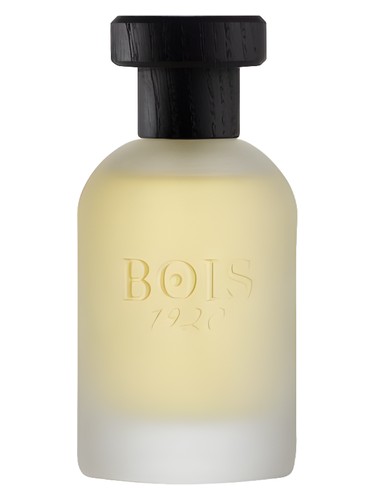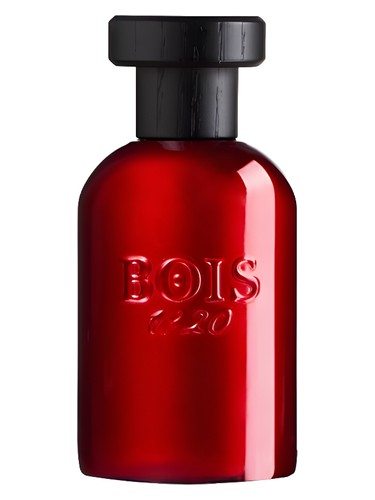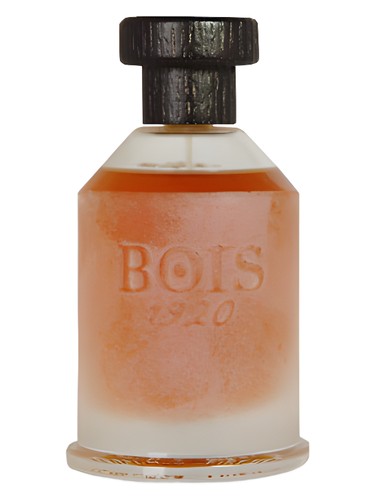
1920 Extreme
Fragrance notes
Character
It opens with a brisk slap of sage and lavender, the herbal sharpness cut by bergamot’s citrus zest. This is not a polite fougère. The heart lets geranium’s green bite and jasmine’s indolic whisper push through, turning the fragrance slightly floral yet stubbornly masculine. Then the base settles: sandalwood and cedar provide a dry, almost dusty woodiness, while tonka bean and vanilla soften the edges into a powdery, warm sweetness. The whole thing feels like a worn leather armchair in a smoky library, the pages of a 1920s novel still open on the table. It is a woody chypre from 2005 that leans niche in its refusal to be crowd-pleasing, though the raw materials are competent rather than luxe. The longevity is moderate at best, and sillage hovers close to skin after two hours, which is its main weakness. Still, the structure is satisfyingly old-school. This works best in fall and winter, with a clear preference for daytime wear despite its richness. It suits someone who wants a gentleman’s scent without shouting, someone who appreciates lavender’s barbershop history but wants it darkened with earthier woods. Skip it if you require projection or if powdery vanillics make you feel claustrophobic. Why does this feel both familiar and forgotten? It quietly earns its place.
Smells similar
Built from the same materials — ranked by how unusual the shared notes are, not by how many.