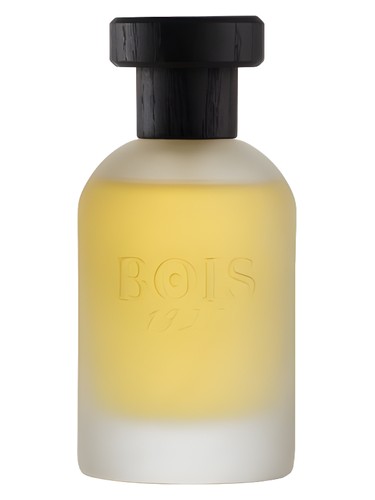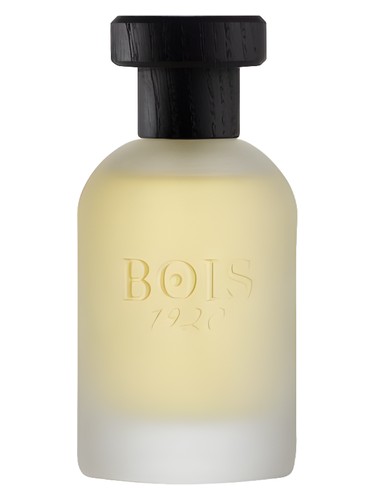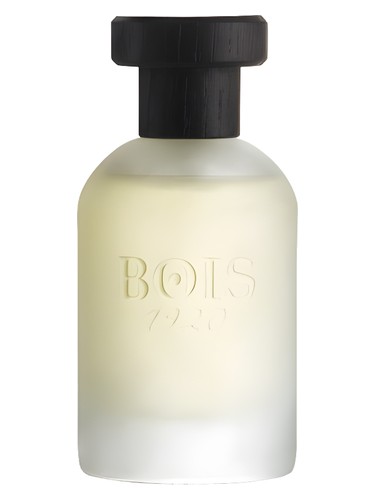
Sandalo e The
Fragrance notes
Character
There is a moment in Bois 1920’s Sandalo e The when you realize the tea note is not a polite Earl Grey but a brisk, almost tannic brew, slapped awake by lemon and rosemary so sharp they could cut the morning haze. The opening is a citrus-and-herb riot—caraway adds a dusky warmth, lavender a fleeting softness—but this is no breezy aqua; it is a woody aromatic that means business. Within an hour, the heart rises like a library after rain: cedar and geranium rubbed against a faintly soapy jasmine, patchouli holding the line with a green, rooty tension. The drydown is where the sandalwood finally unfurls, creamy and almost nutty, braced by a whisper of tobacco and myrrh that never tips into sweetness. The whole arc feels like a linen shirt wrinkled from a long train ride through early autumn countryside—comfortable, slightly dusty, deeply human.
Does it project? Not really. The sillage barely nudges 2.96, and longevity hovers around a polite threeish hours before retreating to a skin-close whisper. This is not a fragrance for nightclubs or winter blizzards; it belongs to a cool spring afternoon on a terrace, or a late summer picnic where you want company to lean in, not recoil. The fresh-spicy, powdery-woody accord is refined without being timid, but it demands patience—those who crave immediate punch should skip it. It is niche in its quiet precision, and suits the person who wears fragrance for themselves, not for applause.
Smells similar
Built from the same materials — ranked by how unusual the shared notes are, not by how many.