Tubereuse Criminelle
Fragrance notes
Character
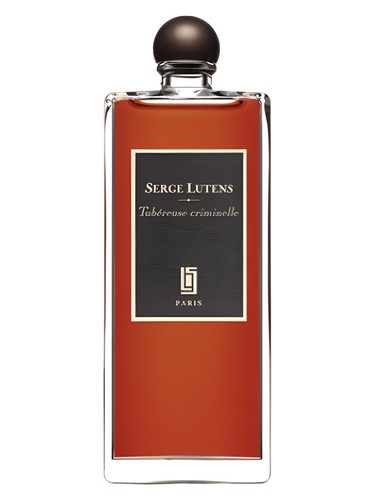
There is no polite introduction to Tubereuse Criminelle. Serge Lutens and Christopher Sheldrake open with a tuberose that has been dragged through a ditch and then set on fire, a camphorated blast of green stems and clove that feels almost punitive. The hyacinth and nutmeg sharpen the attack, while the styrax adds a smoky, resinous grit straight out of a church incense burner. This is not a floral you wear to brunch. The first hour is a chemical argument, loud and animalic, and it will make beginners flinch.
But if you wait, the crime scene shifts. The jasmine and orange blossom creep in like reluctant witnesses, softening the tuberose into something creamy and almost tender. A dusty vanilla and musk settle underneath, but even then, the clove and styrax keep the whole thing leaning into the shadows. The dry down is a warm, ambered white floral with a skanky undertow that never quite washes clean. Longevity is solid at three to four hours, but the sillage stays close to skin after the first blast forces everyone to take notice.
This is a fragrance for the person who loves being complicated, who sees beauty in rot and wants their perfume to smell like a confession. It thrives in fall and winter, especially at night, when the cold air lets the animalic edges breathe without overwhelming a room. Skip it if you want sweet, airy, or easy. Tubereuse Criminelle is a locked greenhouse at midnight, the glass fogged with breath and something darker, and you are either the prisoner or the accomplice.
Smells similar
Built from the same materials — ranked by how unusual the shared notes are, not by how many.