Tuberosis
Fragrance notes

Character
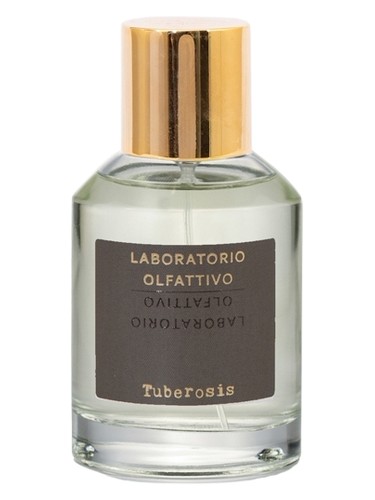
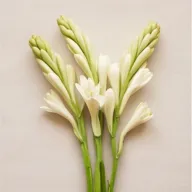
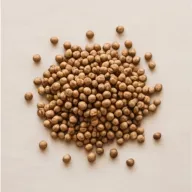
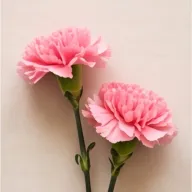
Tuberosis opens like a fistful of crushed white petals, green and sharp, coriander lending a soapy, almost peppery jolt that keeps the tuberose from slipping into lullaby territory. Jean-Claude Ellena, true to form, sketches with a light hand: the flower here is not the overstuffed diva of a hundred Middle Eastern oils, but a slender, slightly nervous bloom propped up by carnation’s clove-like spice and a clean musk that never turns hairy. That green undercurrent is the real anchor; it stops the whole thing from drifting into baby powder oblivion, though the dry down does eventually settle into a soft, barely-there veil of musky petals.
This is a tuberose for people who find Fracas exhausting. It feels like a botanical illustration done in watercolor, precise but translucent, and the numbers back that up: longevity and sillage hover around the three mark, meaning you get a polite, close-wearing affair that fades within a few hours. On skin it blooms most vividly in the warmth of spring afternoons or balmy summer evenings, and it’s decisively a daytime scent, more suited to a quiet coffee date or a stroll through a market than a nightclub. Those craving a tuberose that roars or leaves a trail behind them should skip it. This one whispers, but it whispers beautifully, like a wilted bouquet you can’t quite throw away.
Smells similar
We matched these by the notes each one lists, giving more weight to the unusual ones they share. Sharing materials does not make one a copy of the other.