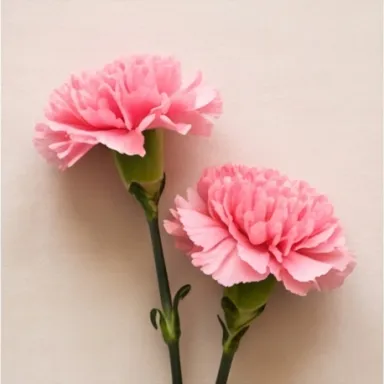
Carnation
A soft flower scent with a peppery, clove-like spice and a faint sweetness.
You may know it from Fresh carnations in a bouquet
Where it comes from
Made from carnation flower extracts and widely used synthetic recreations.
Botanical name: Dianthus caryophyllus
Worth knowing
Its clove-like smell does not mean culinary clove is necessarily used.
About carnation
Carnation is the flower of Dianthus caryophyllus, a perennial native to the Mediterranean that Linnaeus described in 1753. Greek literature mentioned carnations about 2,000 years ago, and in southern Europe and North Africa oils from fragrant carnations were historically used in brilliantines, hair oils, talcum powders and soaps. A bunch from a modern florist is a poor guide to the perfumery note. Cut-flower varieties have largely lost their scent, and a plant-science review reports that emission drops by 15 to 50% within two days of harvest.
Sources differ on how much of the smell is eugenol. The same review finds carnation scent is mostly benzenoids and phenylpropanoids: methyl benzoate gives most modern cultivars their fruity scent, while eugenol gives a spicy, clove-like odour in only some varieties. Bois de Jasmin treats eugenol as the thing that defines the carnation character.
The real material does exist. Carnation absolute is solvent-extracted from the flowers, and one supplier lists it as grown and extracted in Egypt. Arctander describes an olive-green to orange-brown viscous liquid with a very sweet, honey-like, herbaceous and tenacious scent. A profile on The Good Scents Company reads it as eugenol feistiness and peppery spice over damp earth and honey. Natural absolute is described as hard to obtain and very costly.
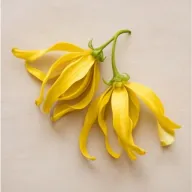
Perfumers have another route. Bois de Jasmin says realistic approximations of carnation essence can be made by mixing rose, white florals such as ylang ylang, and clove or pure eugenol. The French word oeillet usually names such an accord, and carnation notes in modern perfumes are normally built rather than extracted.
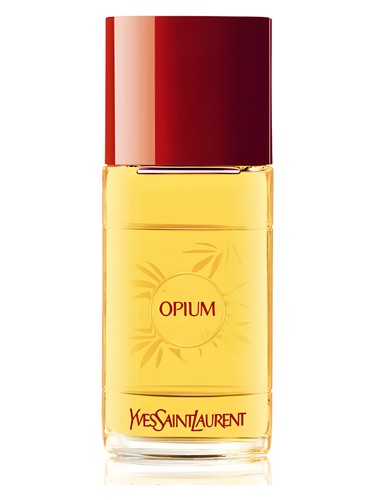
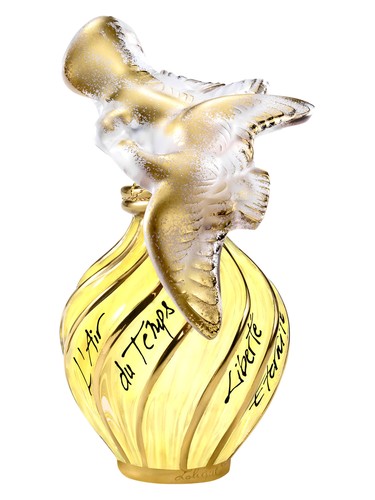
Bois de Jasmin places the popularity of spicy-floral effects around 1900 and notices them in fragrances by Guerlain, Caron and Coty. It names Bellodgia, L'Air du Temps, Opium and Caron Poivre as carnation-led classics. Caron presents Bellodgia as a carnation soliflore by Ernest Daltroff, inspired by the gardens of Bellagio on Lake Como. Nina Ricci's description of L'Air du Temps mentions "the clove accents of pink carnation".
Accords it shows up in
How many of the fragrances listing Carnation in our catalogue also carry each accord. We counted this ourselves.
Often paired with
The notes that appear next to Carnation most often in our catalogue.










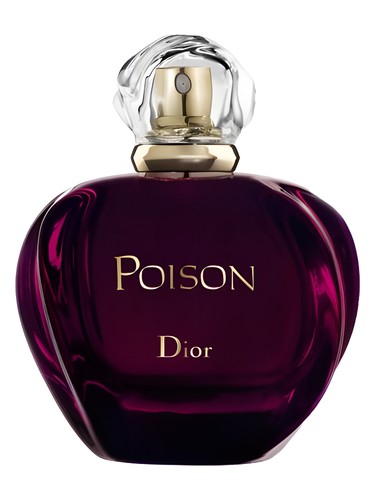
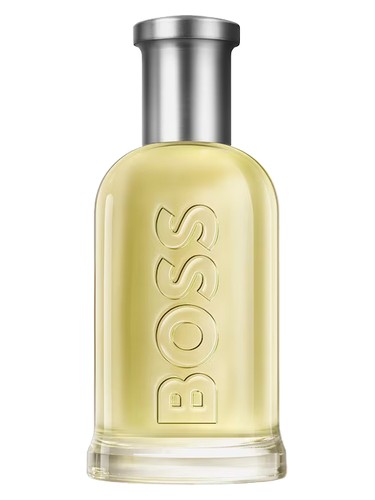
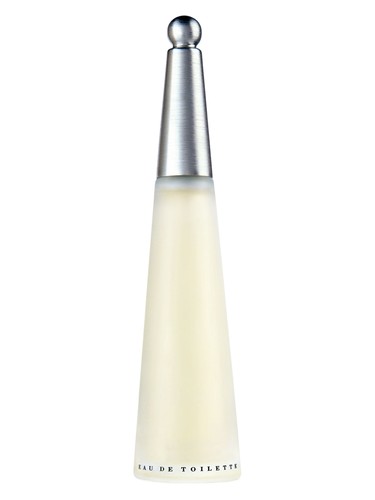
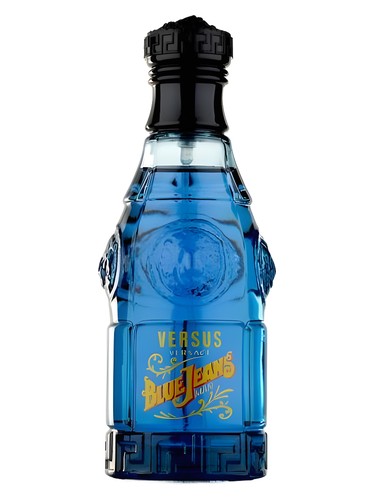
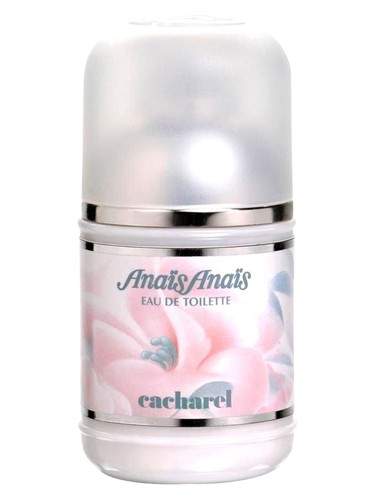
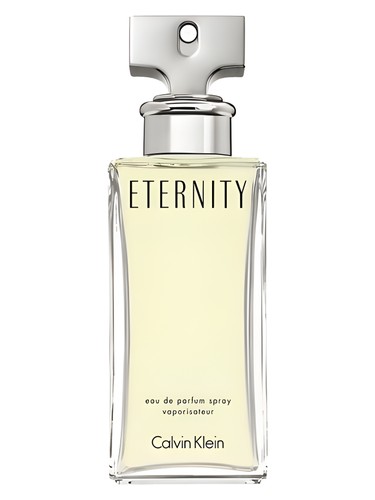
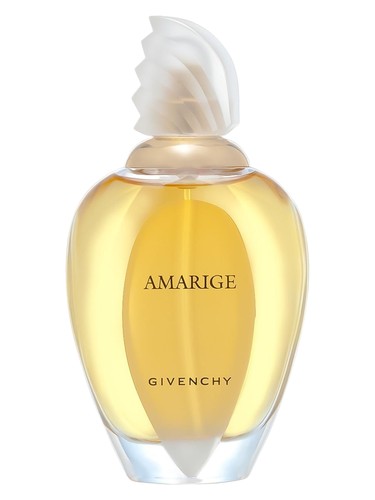
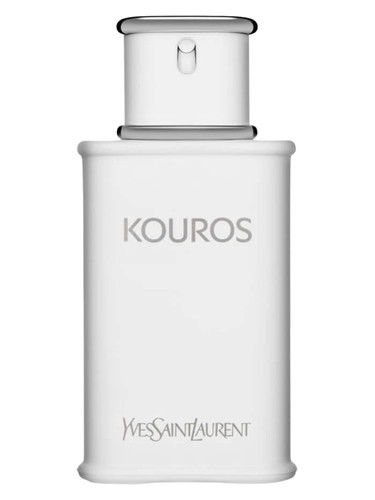
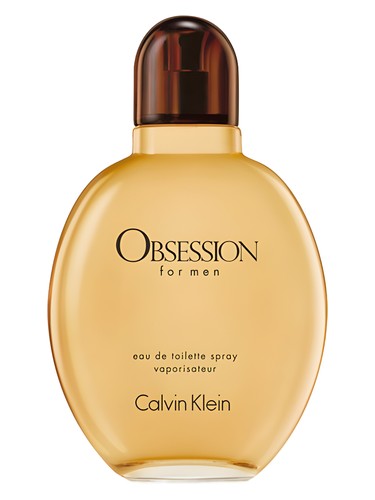
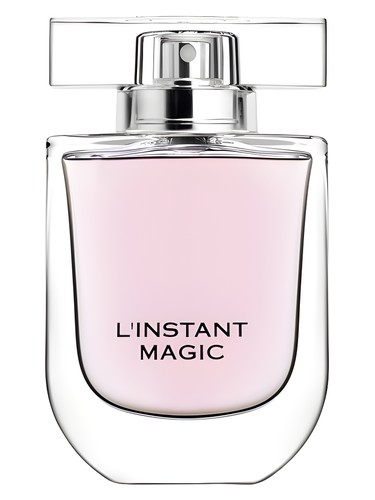
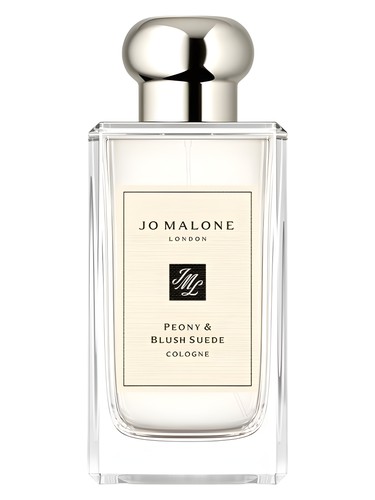
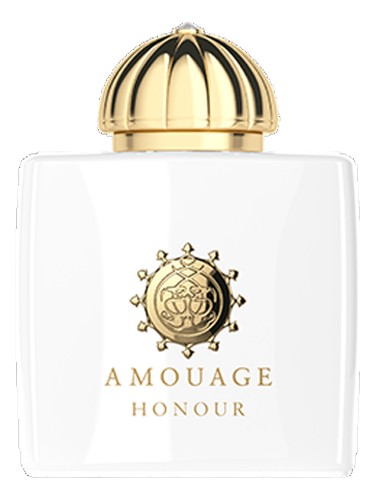
Well-known fragrances with Carnation
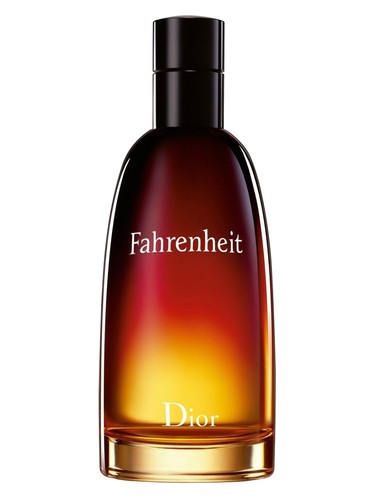
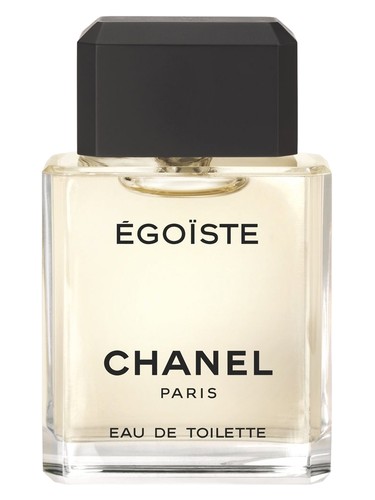
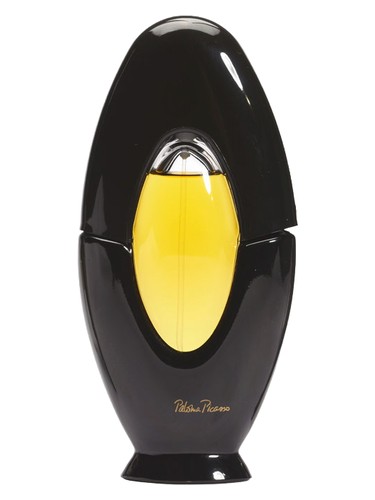
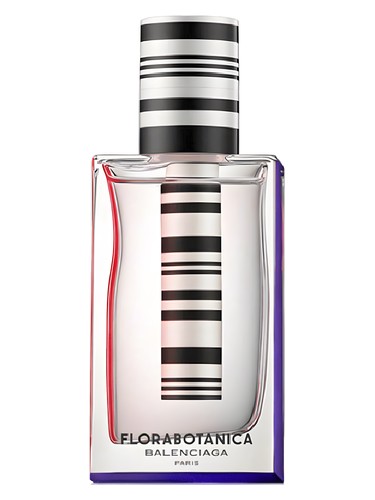
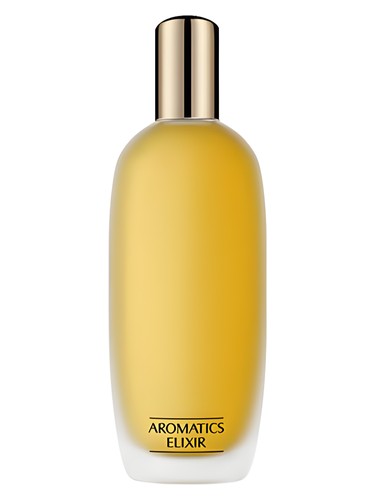
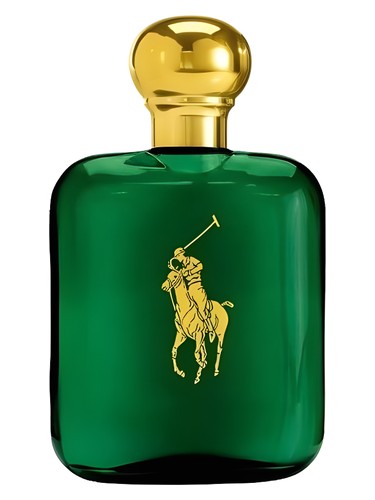
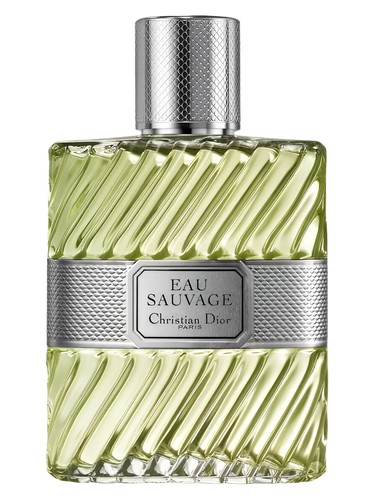
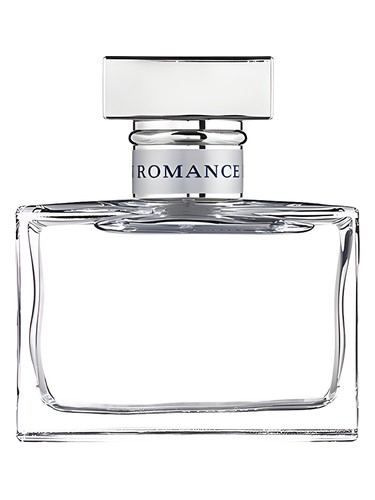
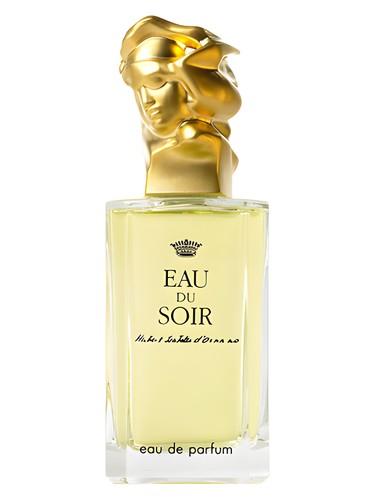
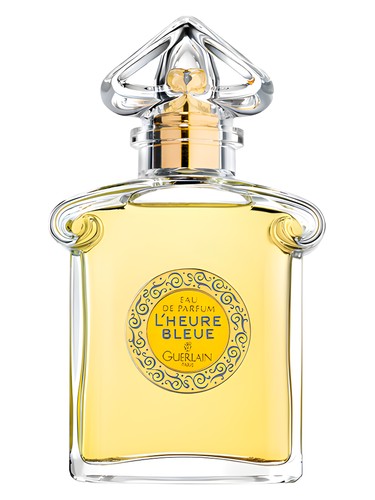
Fragrances that list it in their notes, most-rated first.
Houses that use it most
Ranked by how many of their well-known fragrances list Carnation.