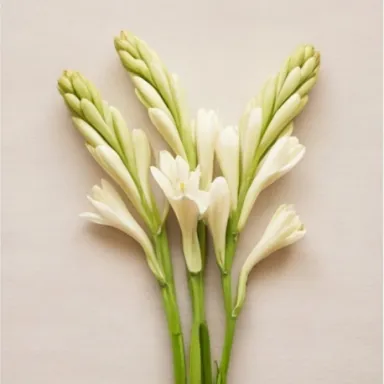
Tuberose
Creamy, sweet white flowers with a rich, slightly spicy scent and a hint of warm skin.
You may know it from fresh tuberose flowers in a bouquet
Where it comes from
Extracted from tuberose flowers, a Mexican plant now cultivated widely.
Botanical name: Polianthes tuberosa
Worth knowing
Despite its name, it is not a rose.
About tuberose
Tuberose does most of its scenting at night. In the living flower, emission of benzyl benzoate peaks from evening until midnight and stays low by day. Picked flowers go on releasing scent for about two days, and that habit is what suited the plant to enfleurage.
The plant is Polianthes tuberosa, believed native to central and southern Mexico and no longer found in the wild. Botanists have since found Polianthes sitting inside the larger genus Agave, so the valid name is now Agave amica, with the older one kept as a synonym. The word itself comes through French tubéreuse from Latin, meaning swollen or tuberous, and points at the root system. The Aztecs are reported to have grown it and strung the flowers into scented necklaces, and it reached Europe and Asia around the sixteenth century.
Grasse planted its first bulbs in the 17th century, and enfleurage took shape there in the 17th and 18th centuries: flowers were laid on wooden frames covered with animal or vegetable fat. Solvent extraction later replaced that method. Steam distillation is not used for tuberose. Today fresh flowers, picked by hand because they are fragile, are extracted with hexane to a waxy concrete, which is washed with ethanol to give the absolute. India now produces more than any other country, ahead of Egypt, while Grasse no longer grows it commercially.
The absolute is described as heady and persistent, developing honey, wax, cream and warmth. A study of the flower's own scent found methyl benzoate (17.07%), 1,8-cineole (10.00%) and methyl salicylate (9.83%) dominant at anthesis. One supplier describes methyl benzoate as a sharp, clean attack before the creamy body emerges. The essence is overpowering and can turn sickly, so it has to be used in moderation.
Fracas, composed by Germaine Cellier for Robert Piguet in 1948, is built on tuberose. Chandler Burr says she packed the formula with Indian tuberose absolute, which gives it huge power and sillage. It was withdrawn and then reintroduced in 1996.
Accords it shows up in
How many of the fragrances listing Tuberose in our catalogue also carry each accord. We counted this ourselves.
Often paired with
The notes that appear next to Tuberose most often in our catalogue.










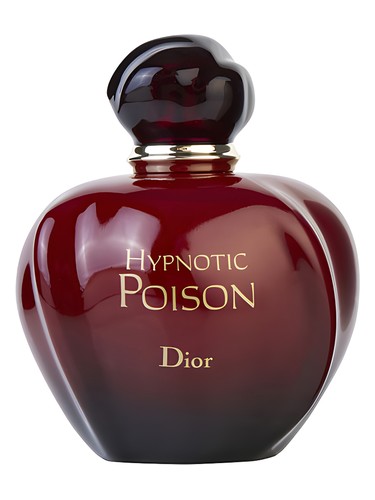
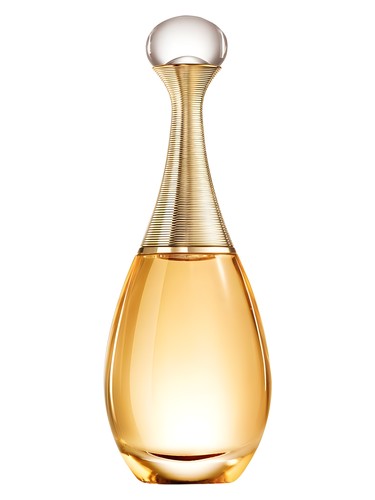
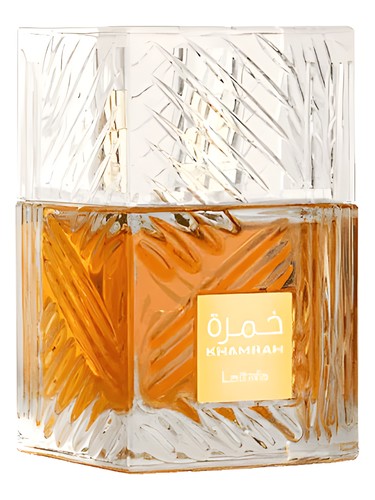
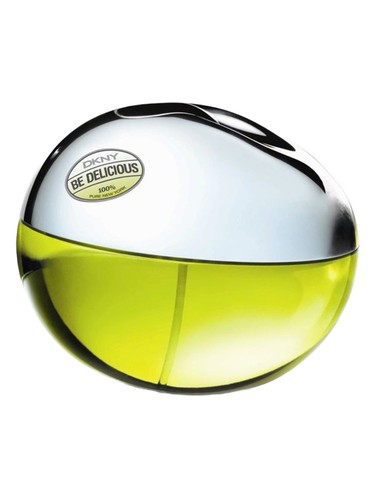
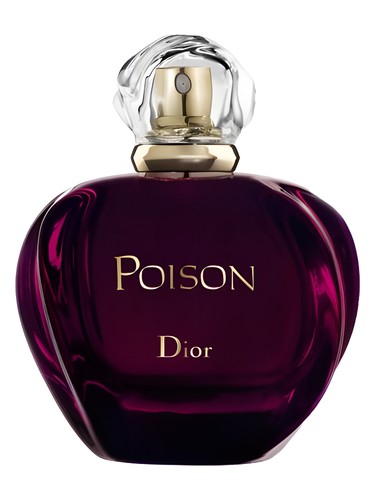
Well-known fragrances with Tuberose
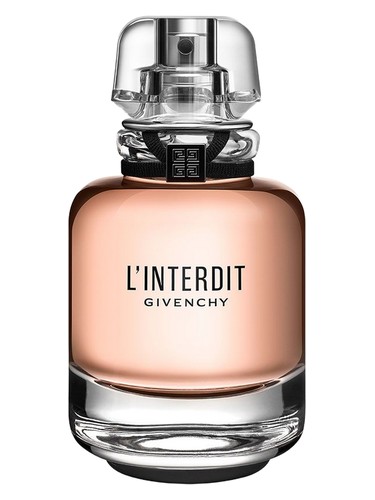
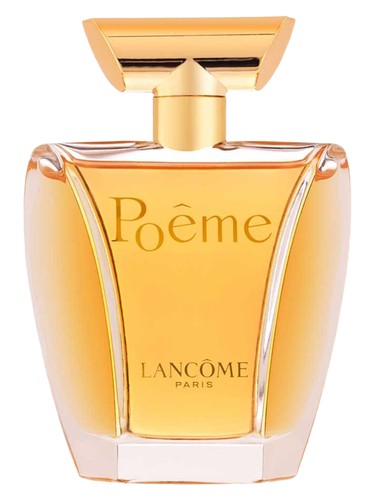
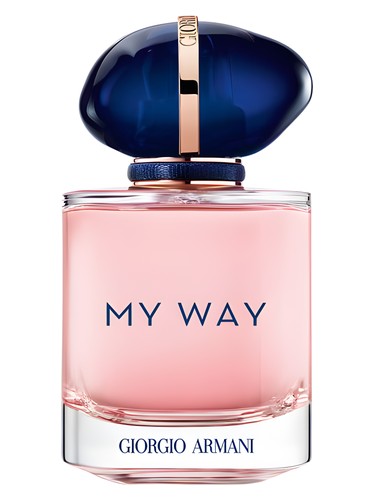
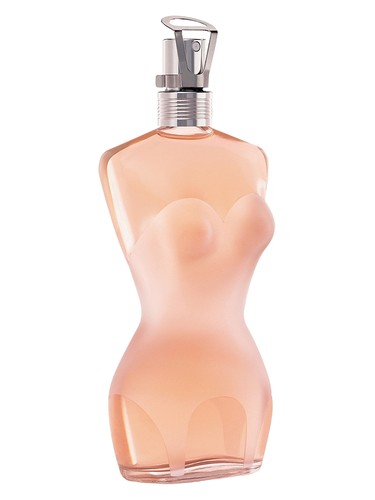
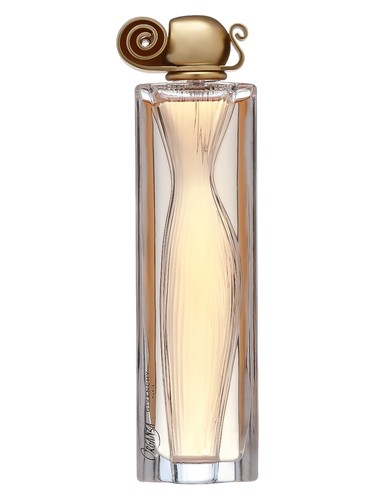
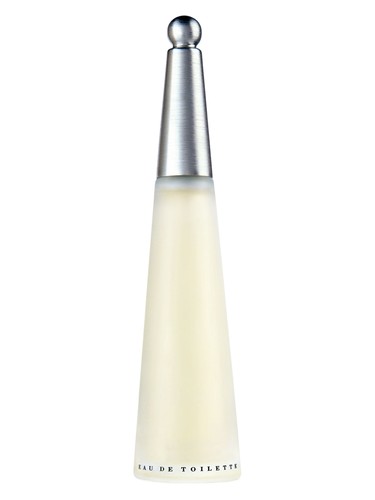
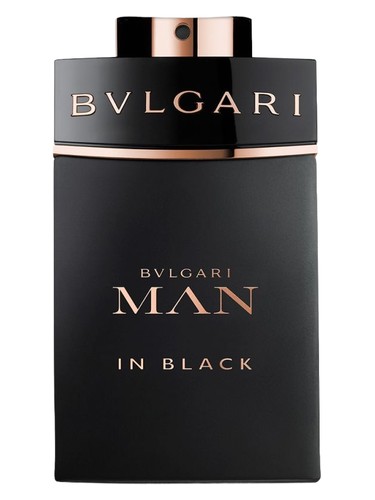
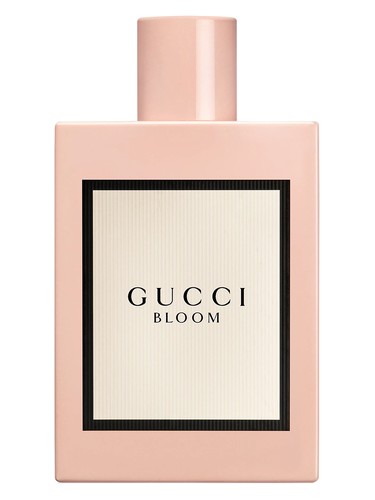
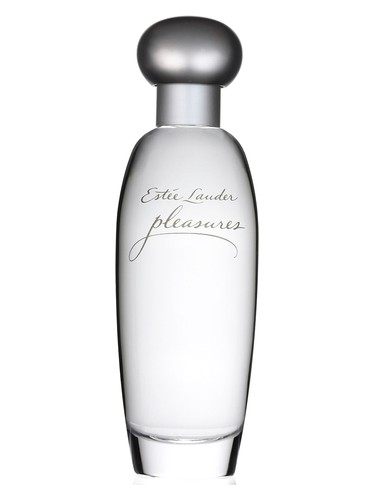
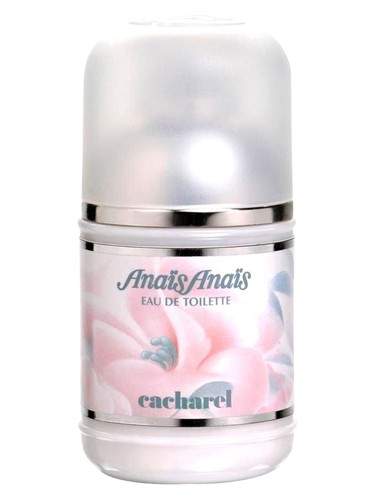
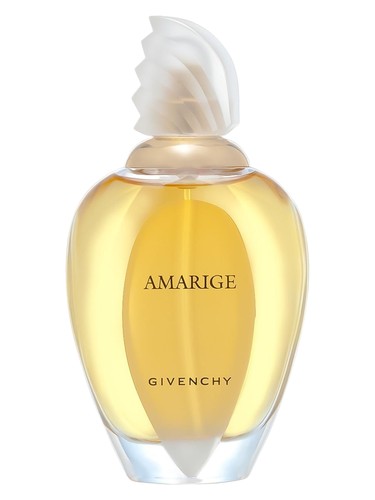
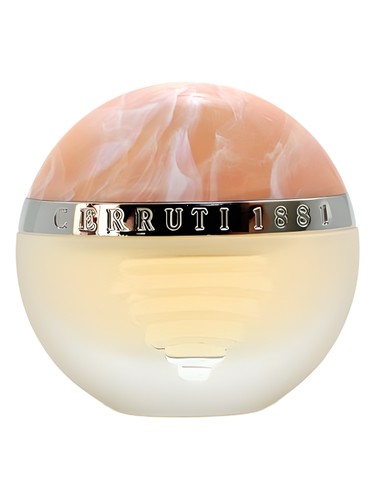
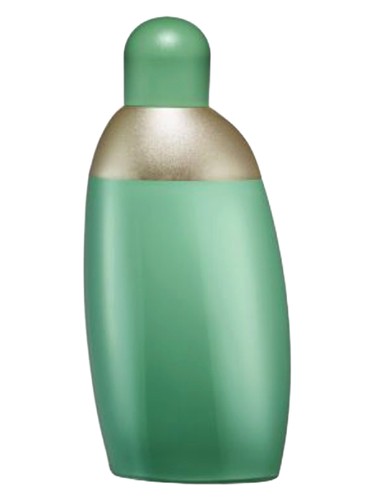
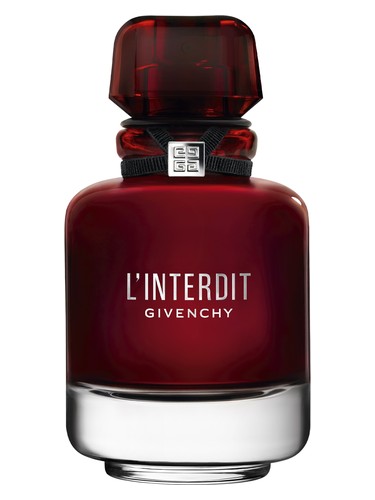
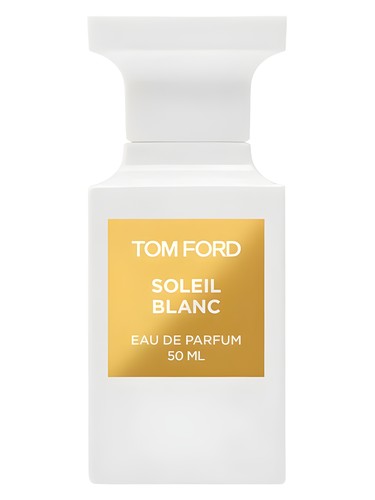
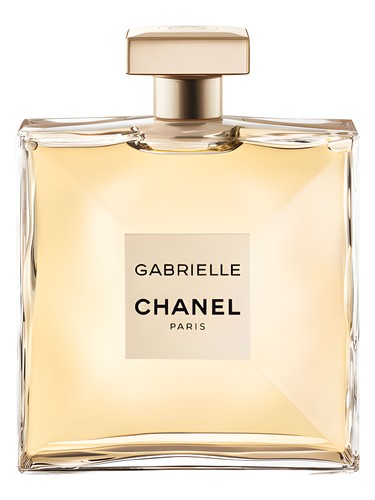
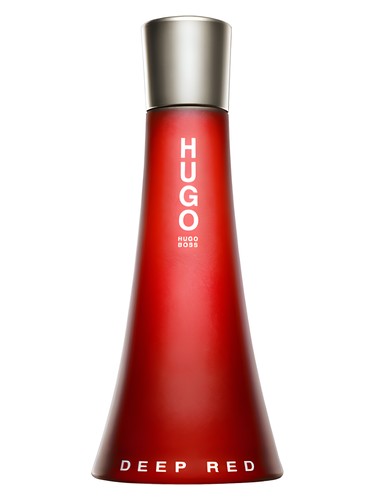
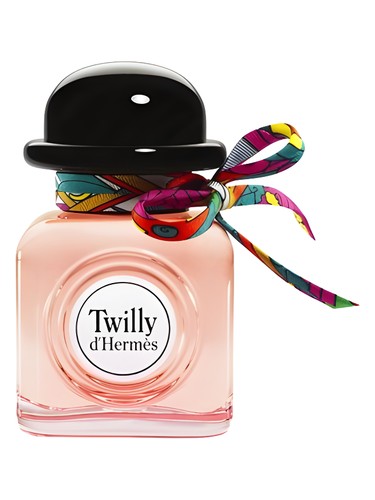
Fragrances that list it in their notes, most-rated first.

Houses that use it most
Ranked by how many of their well-known fragrances list Tuberose.