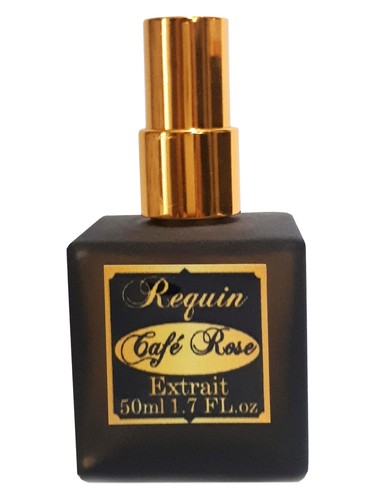
Café Rose
Fragrance notes
Character
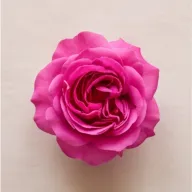
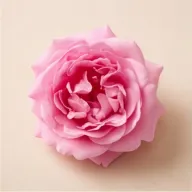
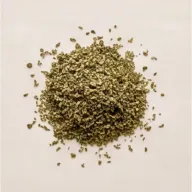
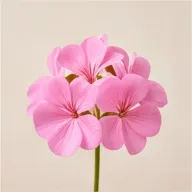
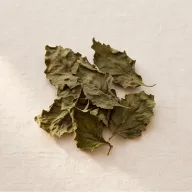
Café Rose opens with two distinct rose varieties that sit beside oregano and geranium. The oregano adds a dry, green edge that keeps the flowers from feeling soft. Geranium brings a crisp, slightly minty leaf tone that sharpens the petals. The roses themselves are present in full, with the Damask strain offering a deep, layered floral presence and the Moroccan version contributing a brighter, more open character. This combination creates an entrance that is floral first, then herbal, then green.
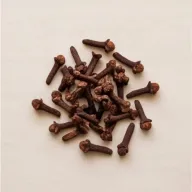
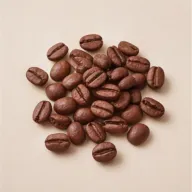
The heart returns to Damask rose while introducing cloves and coffee. The cloves add a warm, pungent spice that feels dry rather than sweet. Coffee appears as a roasted, bitter element that grounds the rose and pulls the composition away from a traditional floral. The rose continues through this stage without fading, now surrounded by heat and bitterness. The spices and the dark brew give the middle a dense, indoor feeling that suits a quiet room at night.
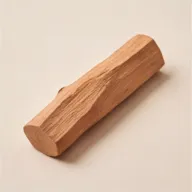
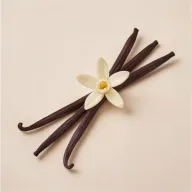
Sandalwood, patchouli, and vanilla form the base. Sandalwood provides a smooth, pale wood that sits underneath the heavier elements. Patchouli is earthy and dark, matching the coffee from earlier. Vanilla adds a mild sweetness that balances the bitter notes without turning the fragrance gourmand. The base feels woody and herbal at once, with the vanilla acting as a bridge between the spice and the wood. The powdery accord from the overall profile settles here, softening the sharper edges of the patchouli.
The aromatic and herbal threads run through every layer, tying the roses to the spices and the wood. Oregano and geranium from the top find echoes in the clove and patchouli further down. The coffee and vanilla create a bitter-sweet tension that never fully resolves, leaving the rose to navigate between heat and wood. Sérgio Eduardo Reis composed a structure where each note has a clear role, and the result is a rose that moves through spice and wood without losing its shape, surrounded by warmth in a dimly lit space
Smells similar
We matched these by the notes each one lists, giving more weight to the unusual ones they share. Sharing materials does not make one a copy of the other.