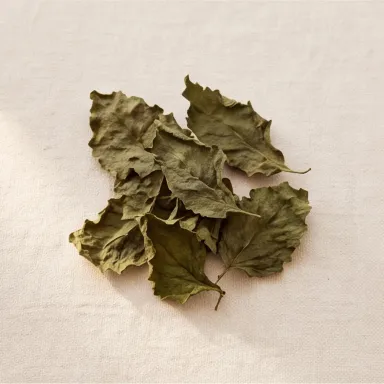
Patchouli
Dark, earthy damp soil, dry wood, herbs, and a slightly sweet, smoky warmth.
You may know it from The lingering scent of vintage incense or a well-worn leather shop.
Where it comes from
Steam-distilled essential oil from dried leaves of the patchouli plant.
Botanical name: Pogostemon cablin
About patchouli
Patchouli oil is steam-distilled from the dried leaves and twigs of Pogostemon cablin. The drying step, called curing, sets off fermentation. One glossary says the leaves are shade-dried and partly fermented for two to eight days, and that this changes both the yield and the character of the smell. Sources disagree on method: some favour fermenting dried leaves, others distilling fresh biomass close to the field. The producer dsm-firmenich puts the yield at 50 kg of dry leaves for 1 kg of oil.
Almost all of it grows in Indonesia, which supplies over 90% of the world's oil by two sources and over 80% by AP news coverage. One source splits the country's output into Sulawesi at about 80%, Sumatra 15% and Java 5%, and says Sumatra led until around 2005. Sulawesi distilleries burn firewood, and officials there link the spread of patchouli planting to deforestation and landslides on steep slopes.
The molecule that defines the oil is patchoulol, a sesquiterpene alcohol, and commercial grades are judged by how much of it they hold. The glossary gives 25 to 40% of the oil, 30 to 38% for Indonesian oil, with ISO 3757:2002 setting a minimum near 30%. A lab study of oils distilled from the aerial parts of the plant found 42.2 to 57.7%, so the figure depends on what goes into the still. Olfastory describes the smell as earthy and damp with an airy camphor freshness, and says some people also catch wine cork or overripe apple. A further molecular-distillation step gives a smoother, paler oil for fine fragrance, which dsm-firmenich lists as woody, earthy, dry, balsamic and camphoraceous.
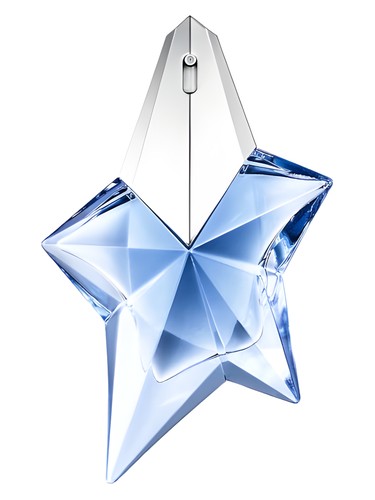
In 19th-century Europe, cashmere shawls arrived from India packed with dried patchouli leaves to keep moths away, and the smell became linked with authentic imports. Olfastory calls it the symbol of the 1970s peace-and-love era, adopted by hippies. It returned to the spotlight, in Olfastory's telling, with Mugler's Angel (released in 1992 or 1993, depending on the source), which Bois de Jasmin describes as built on a patchouli and Veltol accord. Victoria Frolova hears Angel's patchouli as dry and earthy, with a wet-soil note.
Accords it shows up in
How many of the fragrances listing Patchouli in our catalogue also carry each accord. We counted this ourselves.
Often paired with
The notes that appear next to Patchouli most often in our catalogue.












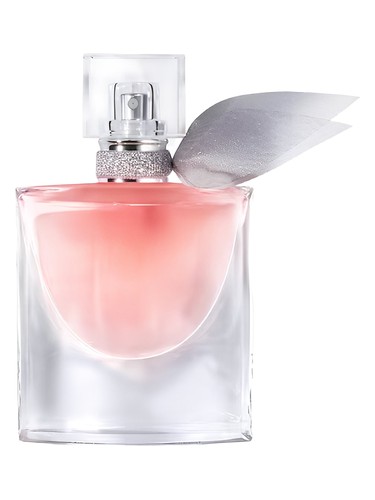
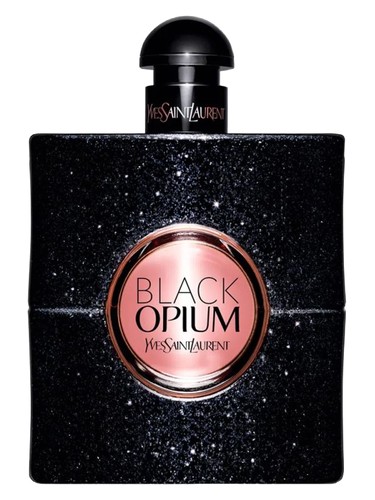
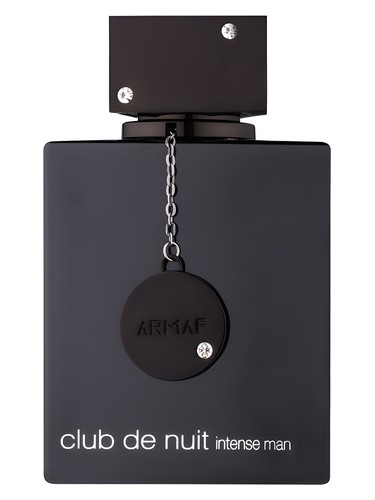
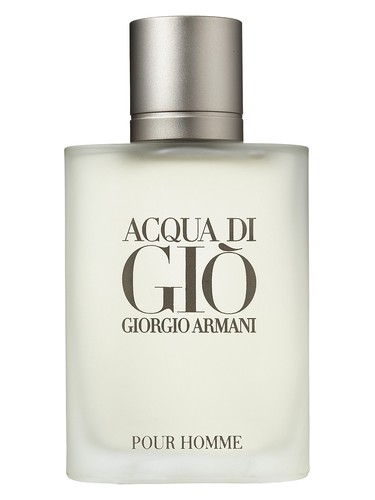
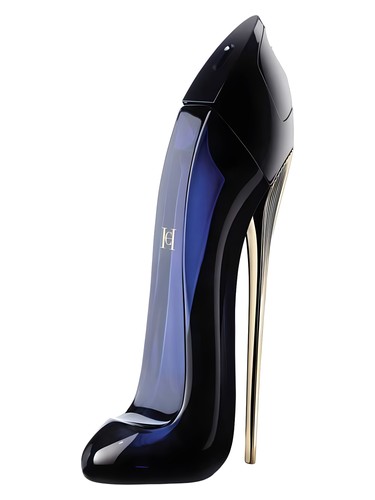
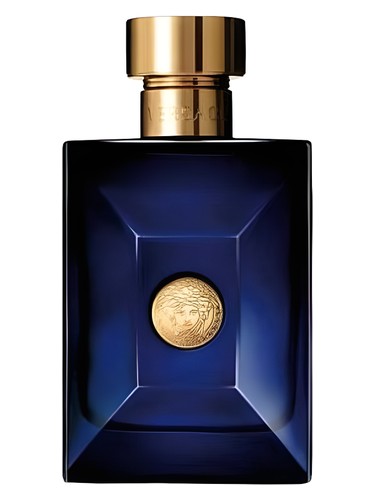
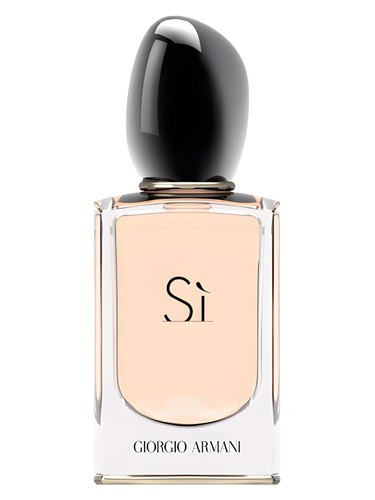
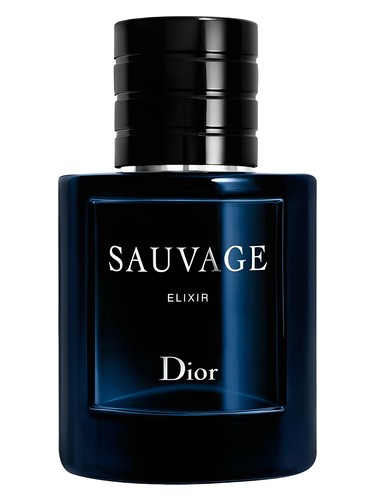
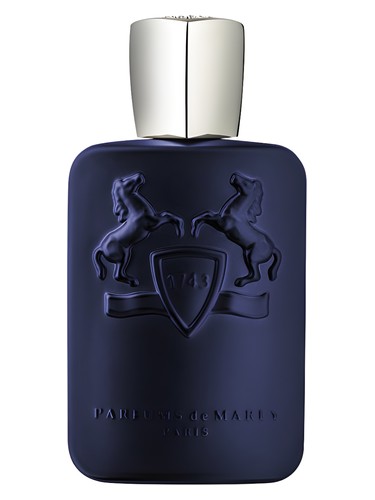
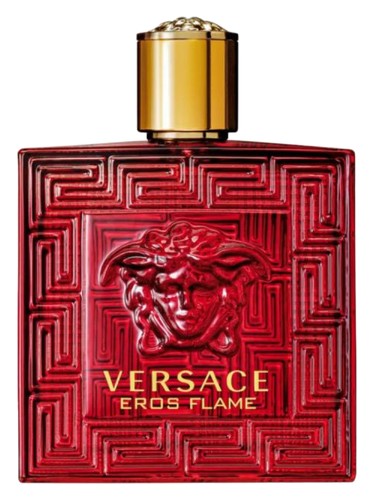
Well-known fragrances with Patchouli
Fragrances that list it in their notes, most-rated first.
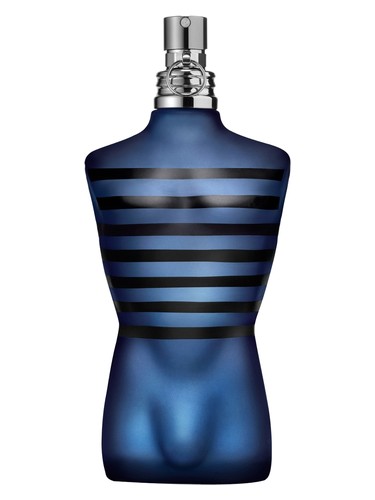
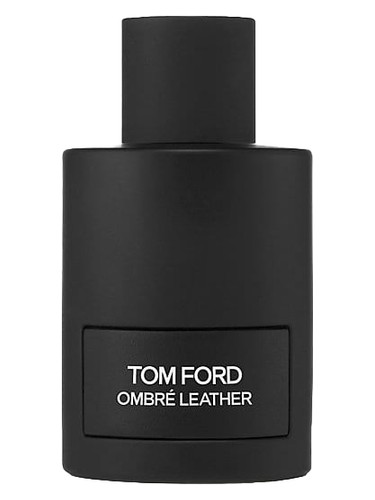
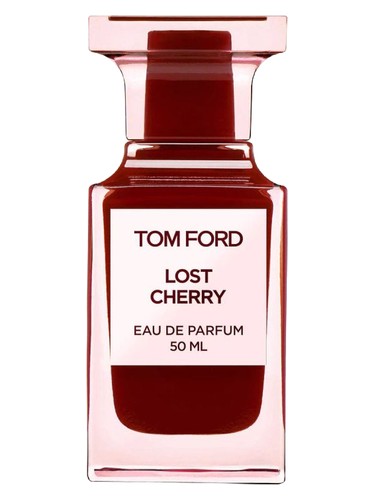
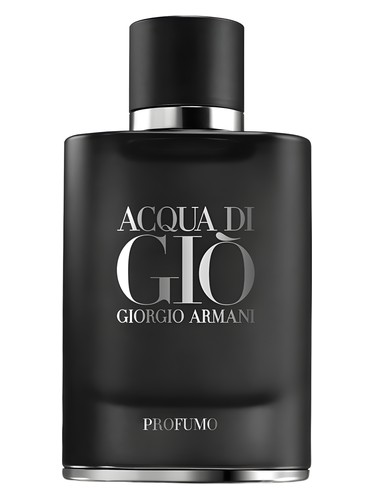
Houses that use it most
Ranked by how many of their well-known fragrances list Patchouli.