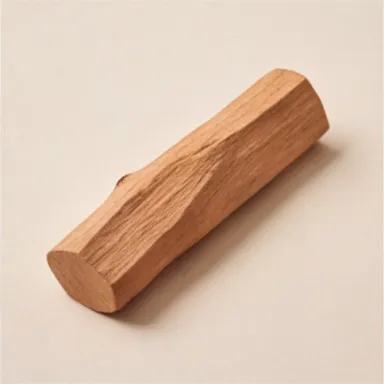
Sandalwood
Creamy, soft warm wood with a gentle sweetness, like polished wood warmed by skin.
You may know it from Sandalwood incense
Where it comes from
Steam-distilled from Santalum heartwood or made with modern aroma molecules.
Worth knowing
Many sandalwood perfumes use substitutes rather than natural sandalwood oil.
About sandalwood
Sandalwood oil takes patience. The trees begin developing fragrance at about 10 years and are not ready for harvest until about 20, and a plantation of Santalum album is cited as maturing in 15 to 20 years against 30 to 50 in the wild. The oil is steam-distilled from the wood, which takes roughly 14 to 36 hours. It comes from the whole tree, stump and roots included.
The oil is mostly sesquiterpene alcohols, chiefly alpha- and beta-santalol. How much of it there is depends on who you ask. The ISO 3518 specification for S. album oil sets 41 to 55% alpha-santalol and 16 to 24% beta, while other references and suppliers quote different figures. Nez describes S. album as sweet, woody and creamy, and prefers it for fine fragrance over the greener, earthier native Australian species. Osmotheque calls the scent soft, balsamic, milky and very lasting.
Mysore built the reputation. The government distillery there was set up in 1916-17 to use wood stocks that had piled up after World War I stopped exports, and Mysore oil received a Geographical Indication registration in 2006. Indian output has since dropped from about 4,000 tonnes a year in the 1960s to about 350 tonnes in 2014, and Australia is now described as the largest producer. Quintis grows S. album in northern Australia from stock descended from Mysore-region plants, and its first commercial oil came in 2014. The IUCN lists S. album as Vulnerable, and S. spicatum too.
Osmotheque says the substitute molecules exist because Mysore oil is scarce and no longer really exported. Sandela turned up by chance at Givaudan in 1947, Sandalore and Bacdanol followed in the 1970s, and Javanol was launched in 1997. The high price of the real oil invites adulteration as well. Tisserand notes that Indian oil can be cut with sandalwood terpenes and fragrance chemicals, and Australian oil with amyris oil or copaiba balsam.
Osmotheque names three landmark sandalwood perfumes: Hermes Caleche (1961), built on Mysore sandalwood, Guerlain Samsara (1989), where sandalwood makes up 26% of the composition, and Serge Lutens Santal de Mysore (1991).
Accords it shows up in
How many of the fragrances listing Sandalwood in our catalogue also carry each accord. We counted this ourselves.
Often paired with
The notes that appear next to Sandalwood most often in our catalogue.












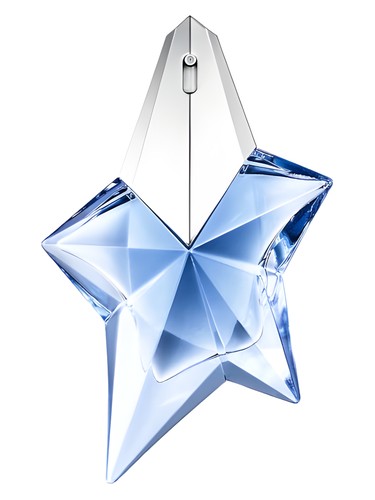
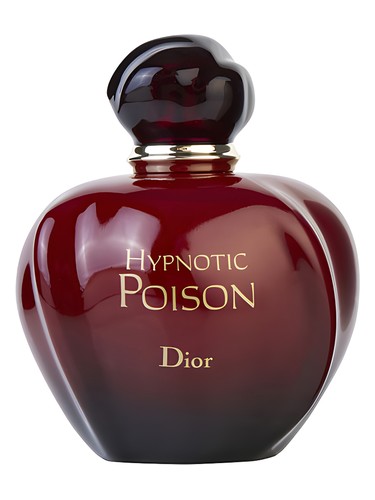
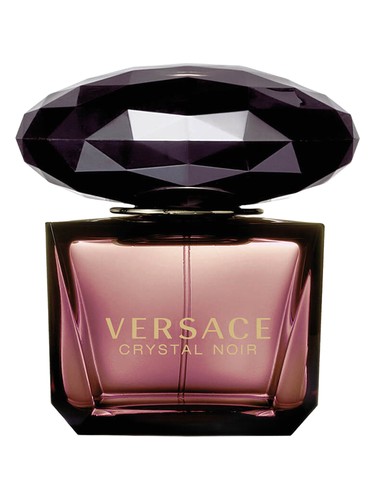
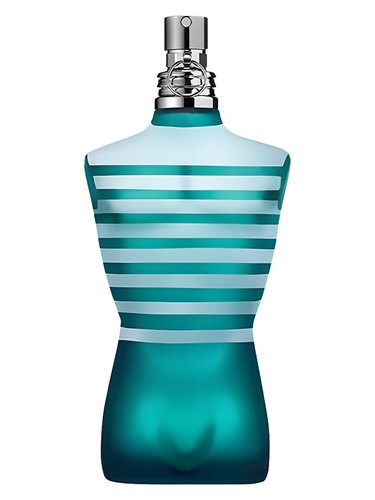
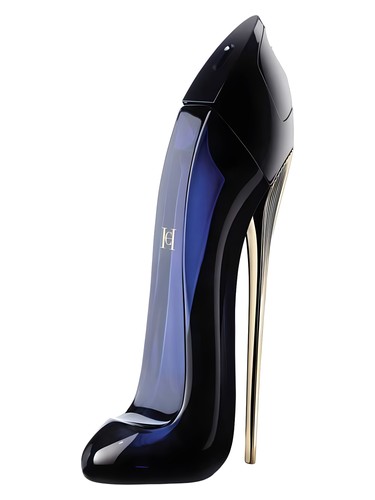
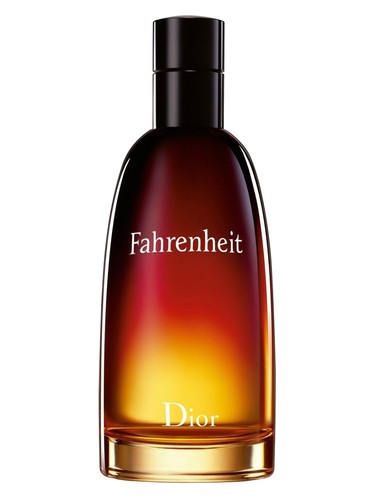
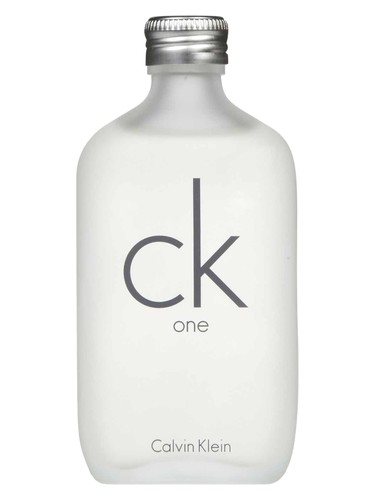
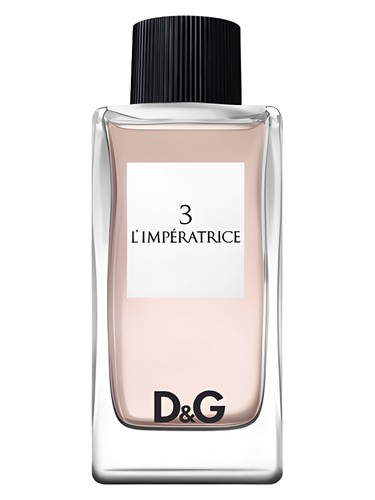
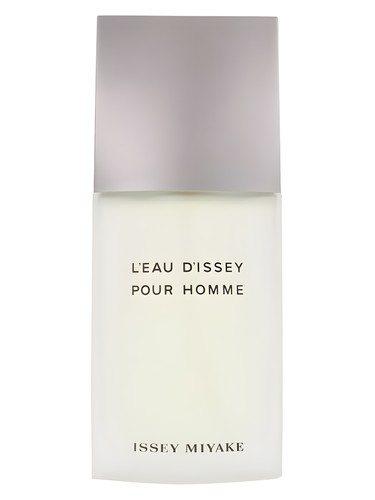
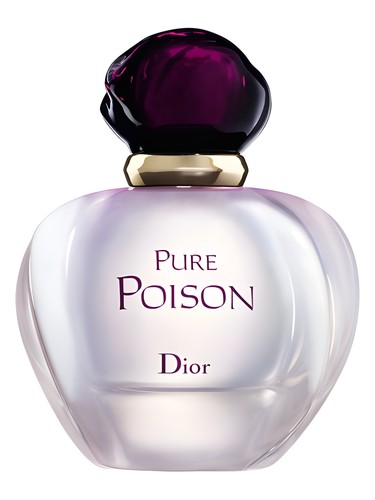
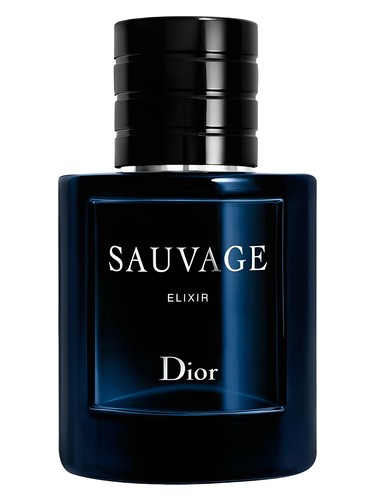
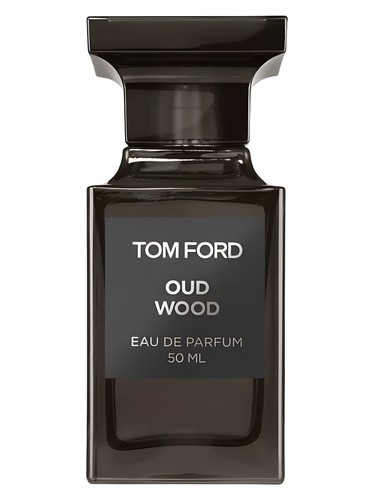
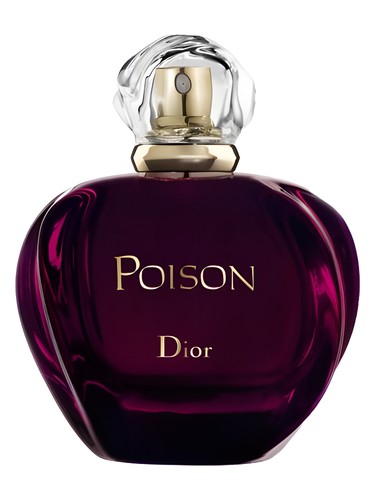
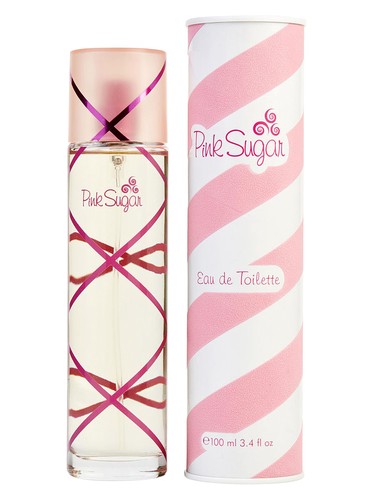
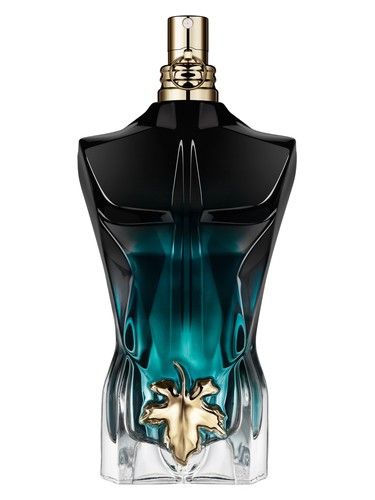
Well-known fragrances with Sandalwood
Fragrances that list it in their notes, most-rated first.
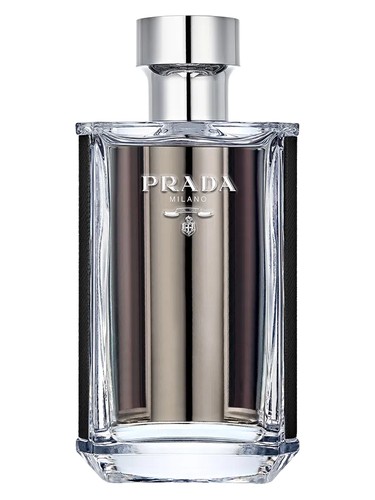
Houses that use it most
Ranked by how many of their well-known fragrances list Sandalwood.