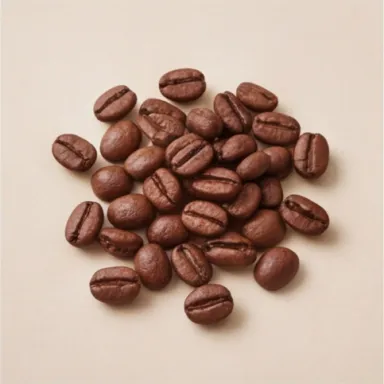
Coffee
Dark roasted coffee, bitter and toasty, with a warm, slightly burnt sweetness.
You may know it from Freshly opened coffee grounds
Where it comes from
Made from roasted coffee extracts and synthetic coffee-like aroma materials.
Worth knowing
It smells like roasted coffee, not caffeine or a freshly brewed drink.
About coffee
Perfumery's coffee comes from roasted Coffea arabica beans, and there are two main routes to it. For the absolute, hexane extraction gives a concrete, which is dissolved in alcohol, chilled so the waxes precipitate, filtered, and then the alcohol is evaporated. The CO2 extract uses supercritical carbon dioxide on the roasted beans, so there is no heat of distillation and no solvent residue. Suppliers describe it as a dark brown liquid. Firmenich's note calls it phenolic and ground-coffee-like, while Charabot's reads hot, with pyrazine and chocolate notes.
The aroma is built in the roaster. ScenTree says the Maillard reactions during roasting create pyrenes, pyrroles, furans and pyrazines. One molecule stands out in the research on Arabica coffee, 2-furfurylthiol, which has a strong roasted-coffee odour with caramel, sulfurous and waxy sides. It sat among the compounds with the highest dilution values, and omission tests singled it out as the outstanding odorant. Good Scents lists it as the main character compound in artificial coffee flavourings, at use levels of only 0.0001 to 0.5 ppm. An espresso odorant study credits guaiacol with the phenolic, spicy side.
ScenTree files the absolute as a base note and says it is useful for leather and animalic notes, and for giving vanilla or caramel more facets. It also mentions solubility problems in perfumes. The same page states the absolute is not restricted under the 51st IFRA amendment and carries no declared allergens.
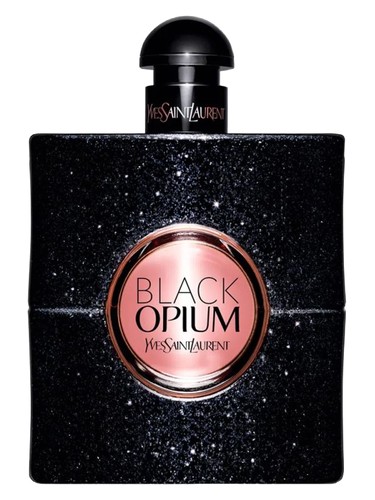
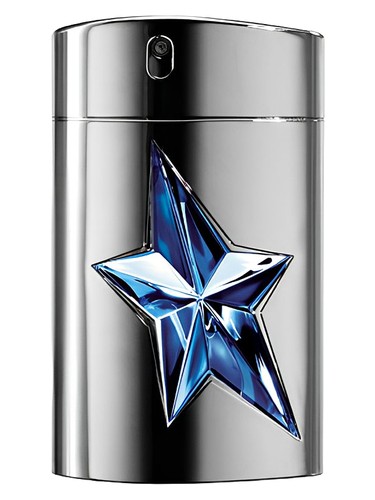
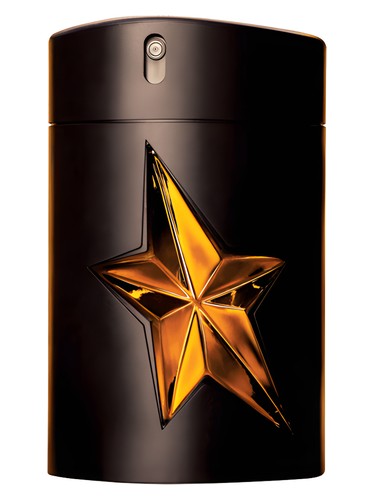
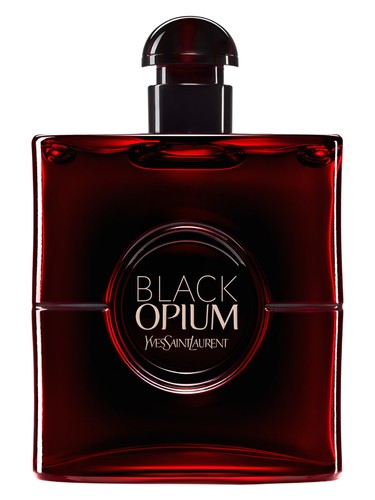
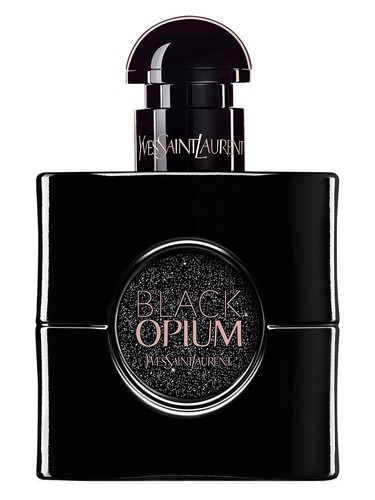
A French trade article described absolute coffee as little used in perfumery, found until then mostly in men's fragrances such as AMen Pure Coffee. Now Smell This calls gourmet coffee beans the signature note of the original AMen, made by Jacques Huclier in 1996. The best-known women's example is Black Opium, credited to Nathalie Lorson, Marie Salamagne, Olivier Cresp and Honorine Blanc. Fragrenza calls it the defining mainstream coffee fragrance and pairs the coffee with white florals. A Now Smell This review disagrees: coffee plays second fiddle to a whopper dose of vanilla and fruit, and the reviewer reports that no one picked up its coffee note.
Accords it shows up in
How many of the fragrances listing Coffee in our catalogue also carry each accord. We counted this ourselves.
Often paired with
The notes that appear next to Coffee most often in our catalogue.










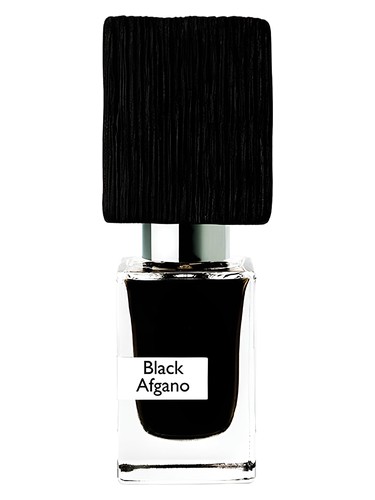
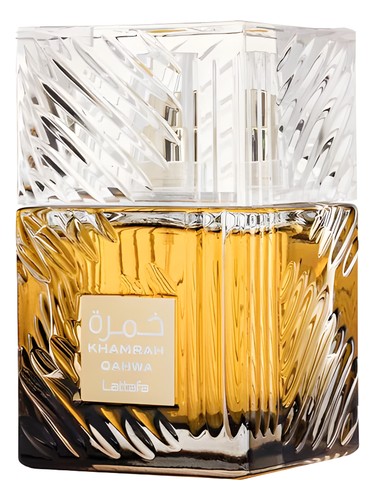
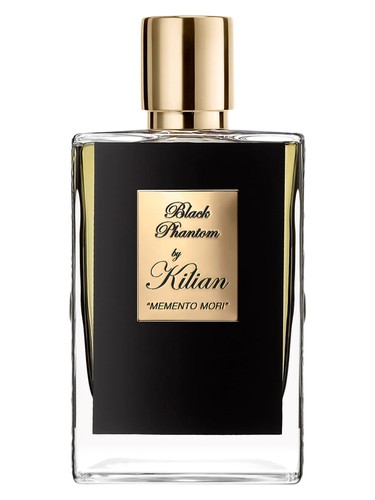
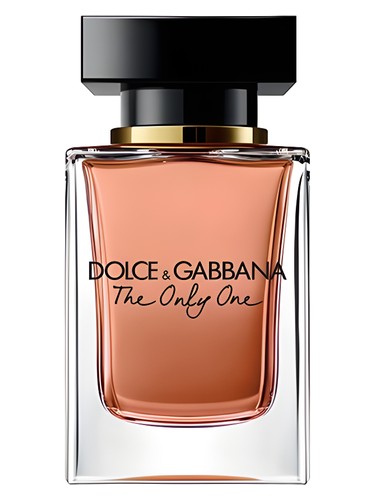
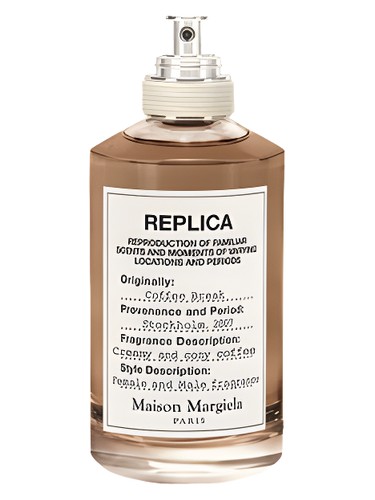
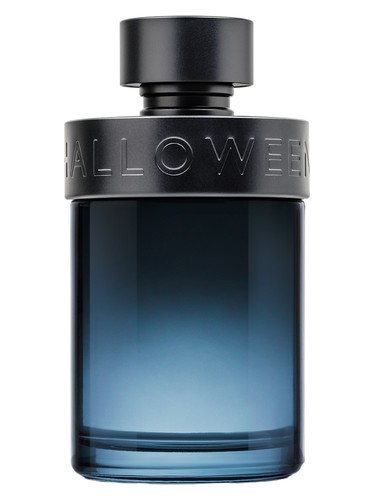
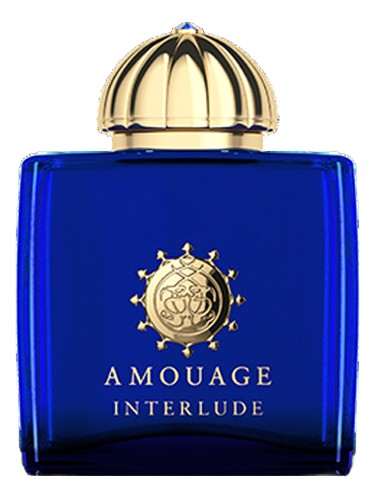
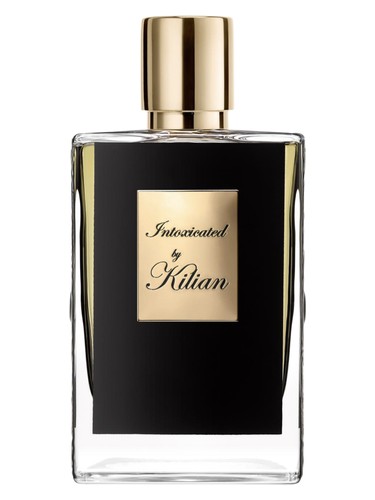
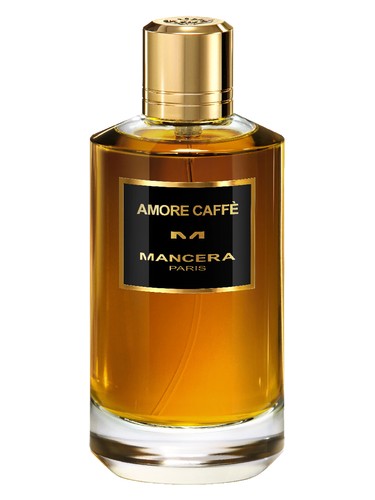
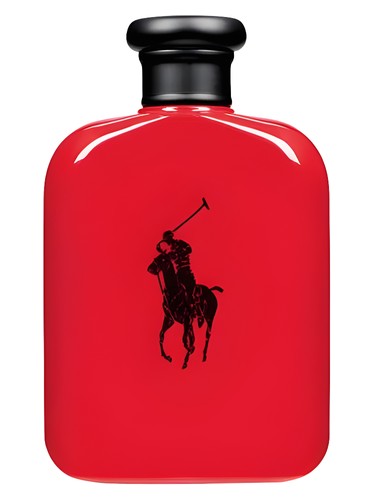
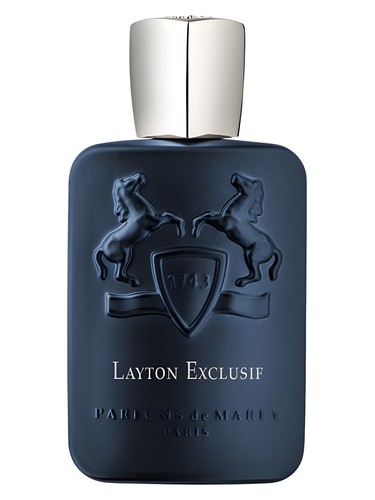
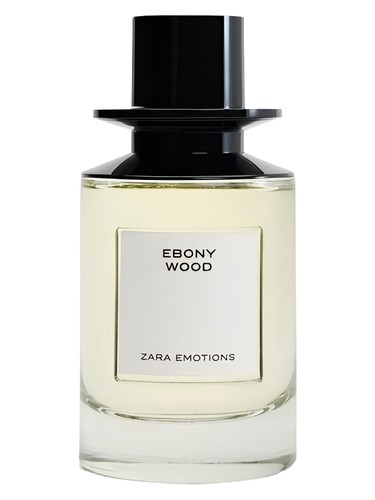
Well-known fragrances with Coffee
Fragrances that list it in their notes, most-rated first.
Houses that use it most
Ranked by how many of their well-known fragrances list Coffee.