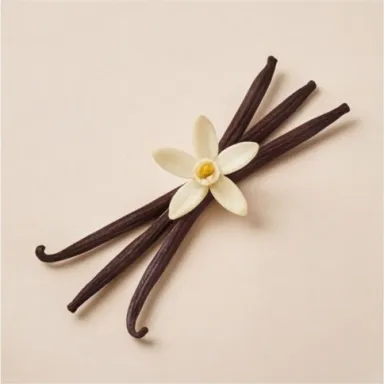
Vanilla
Sweet, warm vanilla pods with a creamy, sugary, slightly woody smell.
You may know it from Vanilla extract in baking
Where it comes from
From cured vanilla orchid pods or laboratory-made vanilla aroma materials.
Worth knowing
Most vanilla perfume smells are built partly or entirely from synthetic materials.
About vanilla
A vanilla flower opens for one day. Growers have to pollinate it by hand within hours, and since the blooming season runs several weeks, the job repeats flower after flower. The method still in use is credited to Edmond Albius, a 12-year-old enslaved boy on Réunion, in 1841. Stingless bees and hummingbirds visit the flowers, yet claims that they pollinate vanilla naturally have never been substantiated.
The pods come from orchids, chiefly Vanilla planifolia, with V. x tahitensis and V. pompona also used. Curing takes four steps (killing, sweating, slow drying and conditioning), and conditioning alone lasts months. Madagascar and Indonesia together grow about two-thirds of the world's vanilla. "Bourbon vanilla" means Indian Ocean origin, which takes in Réunion, once called Île Bourbon, while Tahitian vanilla is under 1% of production. All that labor is why vanilla is called the second most expensive spice after saffron.
Vanillin is the main aroma molecule, and cured pods hold about 2.5% of it on average, among well over a hundred identified aroma compounds. Tiemann and Haarmann first synthesized it in 1874 from coniferin, and the Haarmann and Reimer firm began industrial production in Holzminden. Of the vanillin made today, around 85% follows petrochemical guaiacol routes and about 15% comes from lignin waste. Guerlain's Jicky, from 1889, is widely cited as a first modern fine fragrance and used vanillin with coumarin. Shalimar is cited as a landmark oriental built around vanilla, and sources give both 1921 and 1925 as its date.
Perfumers have more than one vanilla to work with. Vanilla absolute is solvent-extracted from fermented, sun-aged pods, and one perfumer calls it dense, balsamic and quite sweet. The CO2 extract is listed as a separate material, described with spiced clove, creamy and burnt-marshmallow notes. Vanillin reads powdery and sweet, while ethyl vanillin, which is costlier, recalls hot chocolate with marshmallows in the same perfumer's description. The same article puts its strength at roughly two to three times that of vanillin. Givaudan's Isobutavan leans toward cream soda and white chocolate.
Accords it shows up in
How many of the fragrances listing Vanilla in our catalogue also carry each accord. We counted this ourselves.
Often paired with
The notes that appear next to Vanilla most often in our catalogue.











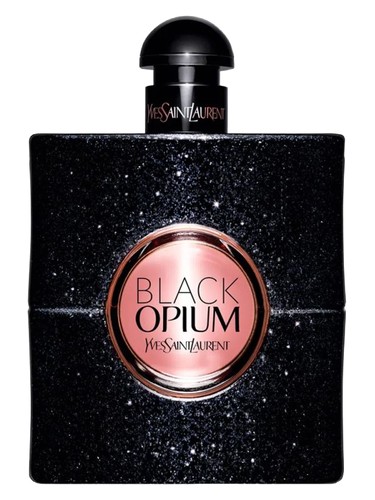
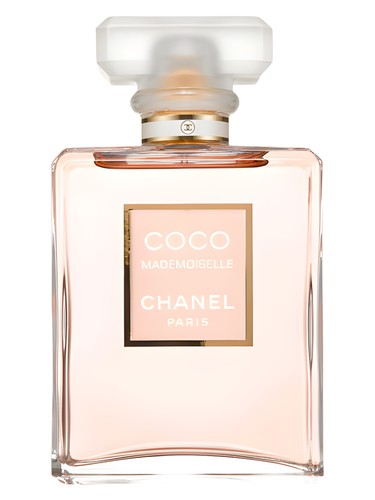
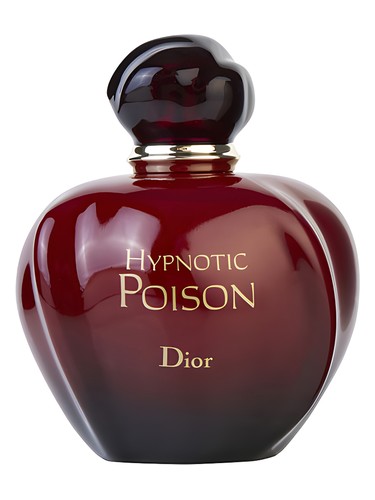
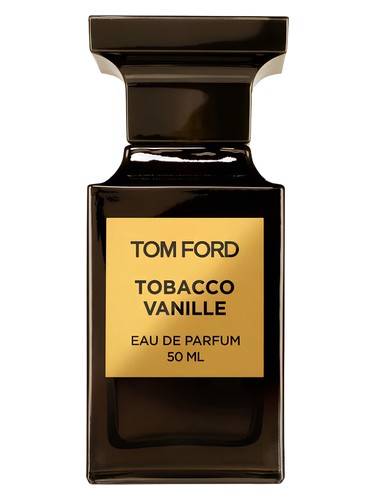
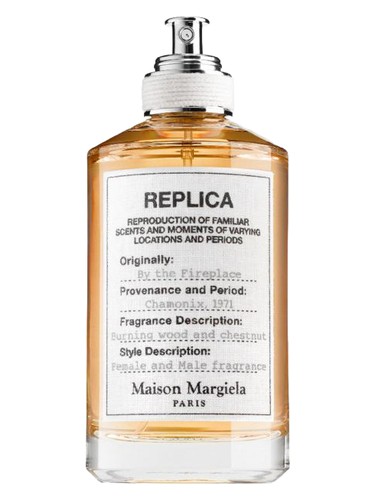
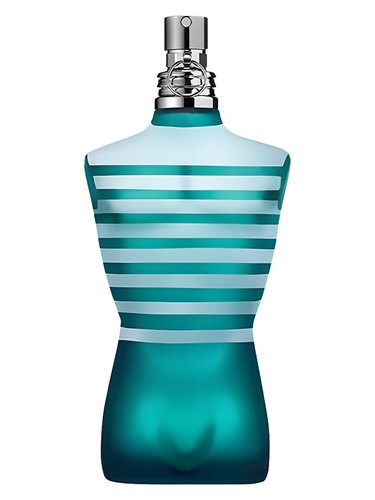
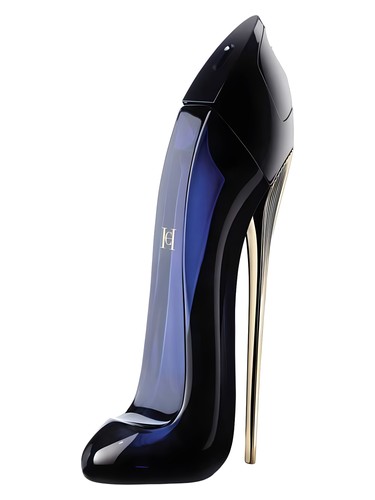
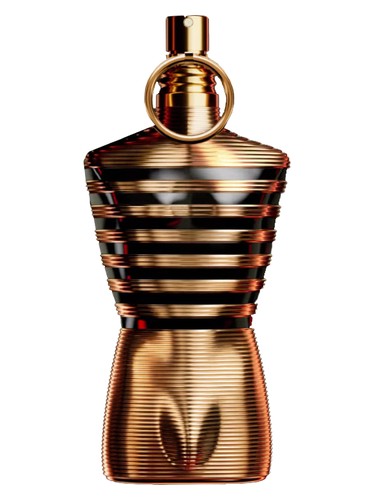
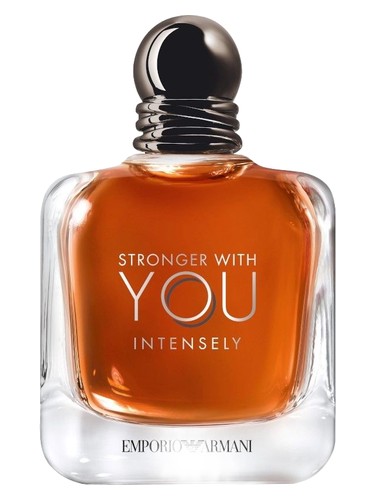
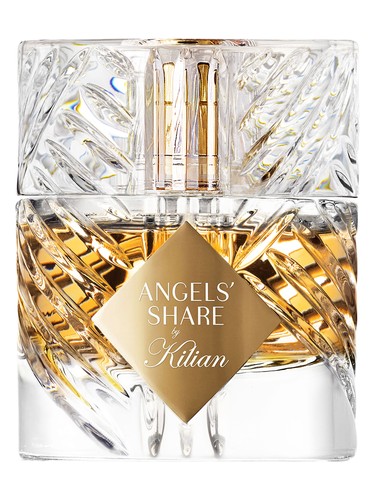
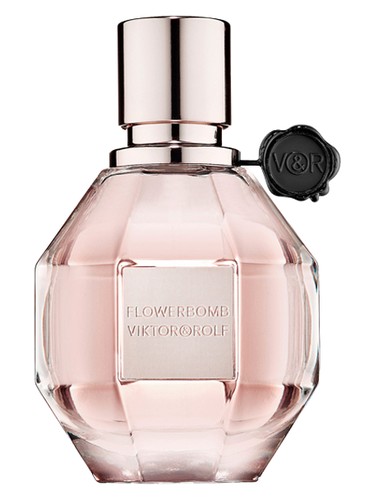
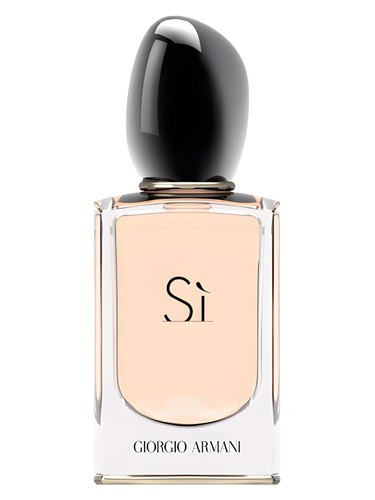
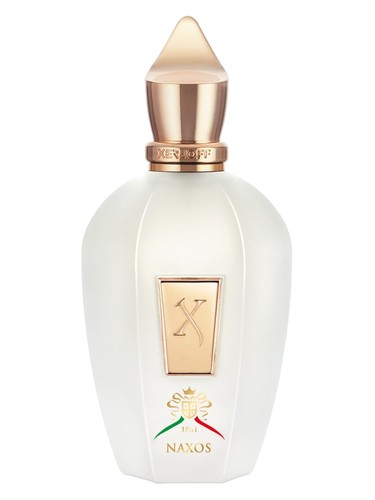
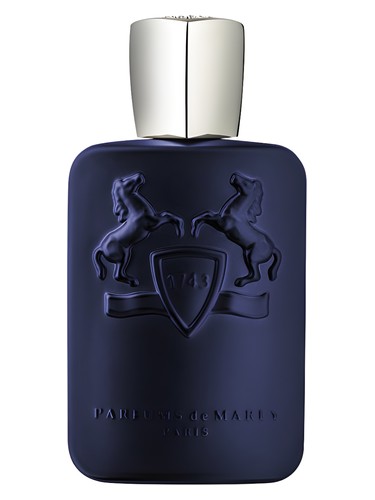
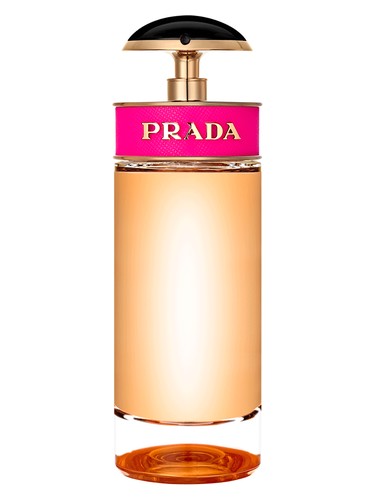
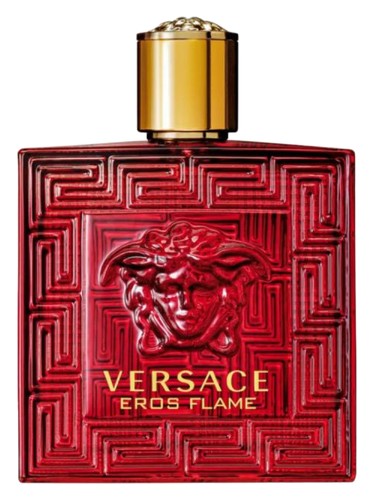
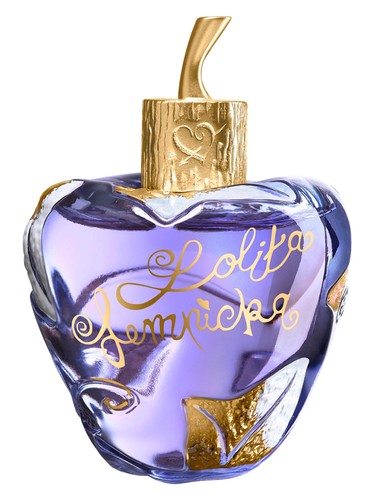
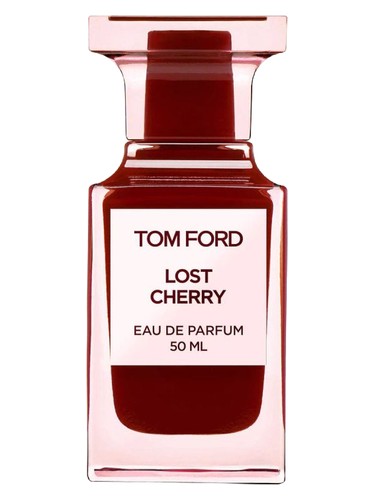
Well-known fragrances with Vanilla
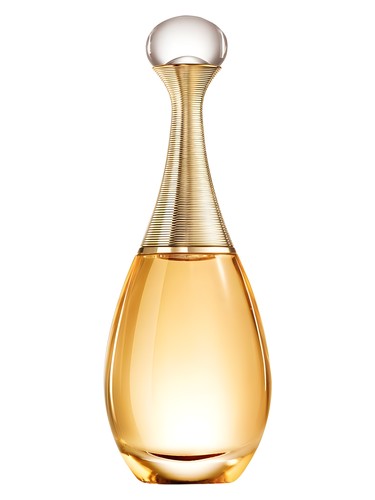
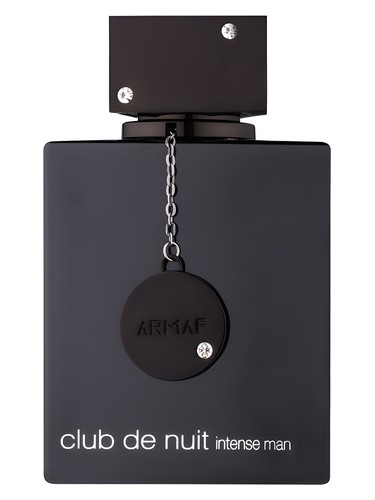
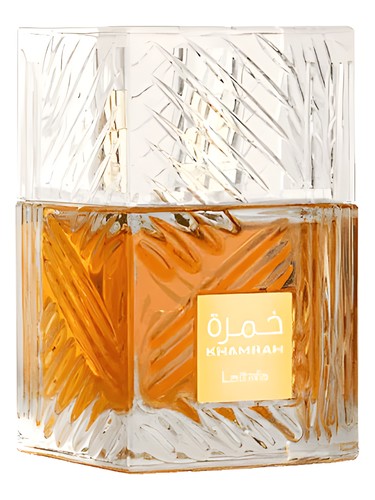
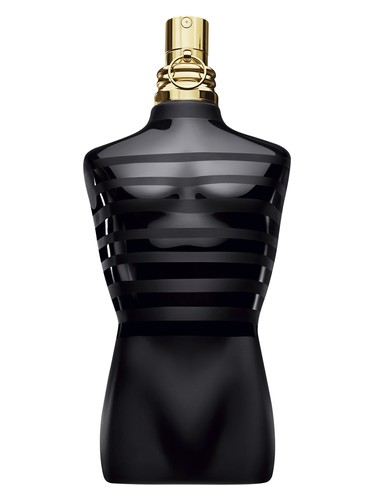
Fragrances that list it in their notes, most-rated first.
Houses that use it most
Ranked by how many of their well-known fragrances list Vanilla.