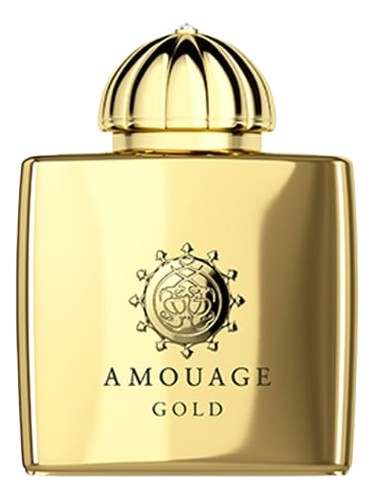
Emilie
Fragrance notes
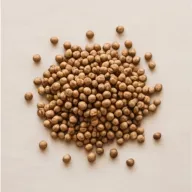

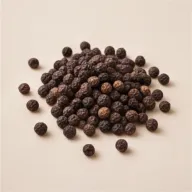


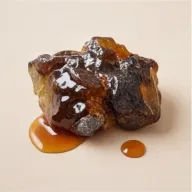
The air in the small café is cool and damp, carrying the faint, metallic scent of rain on cobblestones. A woman sits by the window, tracing the rim of a cooled espresso cup with one finger. She leans forward to study a book of poetry, and the movement pulls her wrist past the open page. The scent that rises from her skin is immediate and sharp, a dry, peppery heat that cuts through the dampness of the room. It smells of crushed coriander seeds and a dusting of cinnamon, a spice that feels dark rather than sweet. It is a scent that demands attention, yet it belongs entirely to her, woven into the quiet focus of her afternoon.
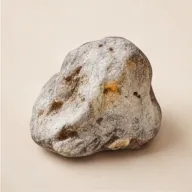
As she turns a page, the sharper edges of the spices soften, yielding to a lush, dripping sweetness. The exotic fruits in the heart are not bright or tropical, but deeply ripe, mingling with a salt-tinged ambergris that smells of warm skin and sea air. This is where the fragrance reveals its true, untamed nature. A heavy, musky animalic note emerges from the base, thick and resonant. It is the scent of civet and dark, resinous labdanum, a balsamic depth that feels ancient and slightly forbidden. It does not smell like a modern perfume; it smells like a memory of a cabinet of curiosities, full of dusty jars and potent, preserved things.
This is a fragrance for the woman who prefers the shadows of the room to the bright light of the street, a scent that clings to the skin like a secret confession. It is heavy, resinous, and entirely unapologetic in its pursuit of a dark, amber-drenched sensuality. The woman closes her book and watches the rain, a small, private smile on her lips, surrounded by the scent of a dense, overgrown garden at dusk, where the last of the heat still rises from the damp earth.
Smells similar
We matched these by the notes each one lists, giving more weight to the unusual ones they share. Sharing materials does not make one a copy of the other.