Ambergris
Warm, dry, salty skin with a faint sweetness, like sun-warmed driftwood and clean animal fur.
You may know it from The lingering scent of sun-warmed skin near the sea
Where it comes from
Usually made as ambroxide, a synthetic substitute for whale-produced ambergris.
Worth knowing
Despite the name, it is not amber resin; natural ambergris comes from sperm whales.
About ambergris
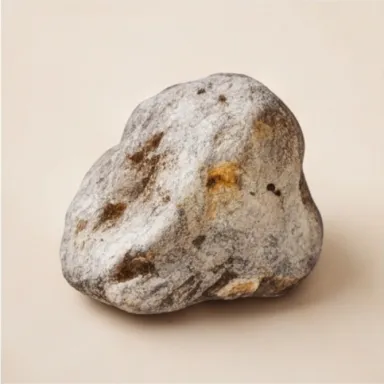
Natural ambergris is a waxy lump that forms in the lower digestive system of the sperm whale. It is often called whale vomit, yet the sources that address the question say it forms in the intestines and is mostly passed with the faeces. Only a small minority of sperm whales produce any; the Natural Perfume Academy puts it at roughly one in a hundred, and indigestible cephalopod material is strongly linked to its formation.
Nobody harvests it on demand. It turns up washed onto beaches or floating at sea, and beachcombers sometimes bring home solidified palm oil or dog faeces by mistake. A fresh piece smells unpleasant. Months to years of sun, salt water and air turn it sweet and earthy, and the weathered lumps are dark grey or black and crusty. Colours run from near-black through brown and grey to white, and the pale pieces, said to have floated for decades, are treated as the finest. Material about 25 to 30 years at sea is described as sufficiently cured.
Ambrein, a scentless triterpene alcohol, is the main compound, reported at 25 to 45% in average white material. Light and oxygen break it down into ambroxide and gamma-dihydroionone, which carry the odour. Cured ambergris reads as musky to sweet, sometimes earthy, with a marine side. One source counts 31 volatile constituents in the natural tincture, which makes it chemically more complex than the single-molecule synthetics.
In perfumery it works chiefly as a tincture and as a fixative that carries the scent of a composition. Ambroxide made from sclareol, a compound from clary sage, was developed by Firmenich in the 1950s, and Givaudan sells a biotech version called Ambrofix.
NOAA says ambergris may not be collected, kept or sold in the United States, because it is part of an endangered marine mammal. CITES treats naturally washed-up ambergris as harmless to the species, so it can be traded in countries such as the United Kingdom and the European Union. Prices are cited from about US$25,000 a kilo upward, and a 127 kg find in Yemen in 2021 was valued at about $1.5 million.
Accords it shows up in
How many of the fragrances listing Ambergris in our catalogue also carry each accord. We counted this ourselves.
Often paired with
The notes that appear next to Ambergris most often in our catalogue.










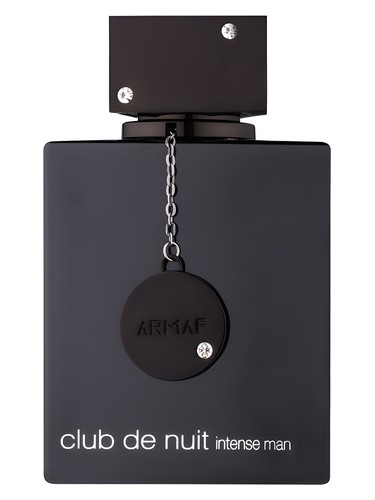
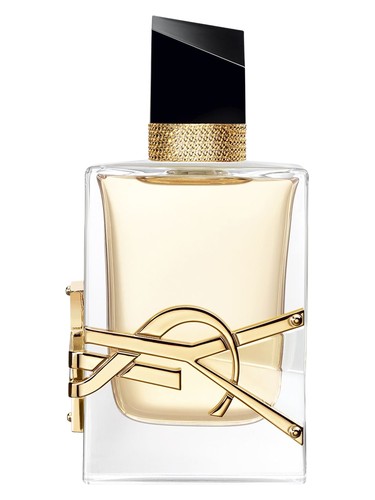
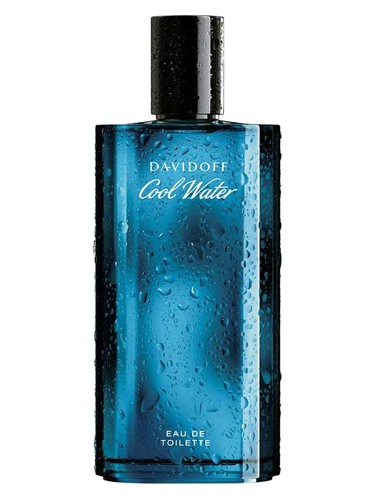
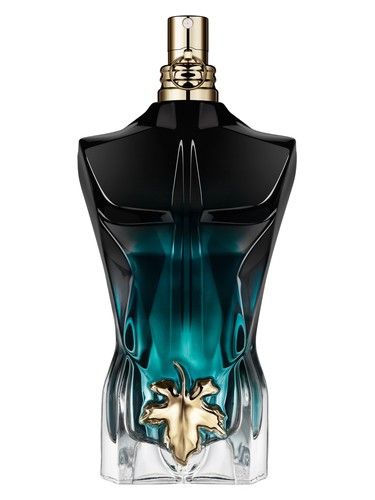
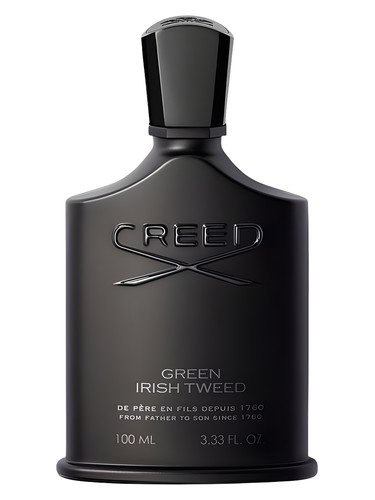
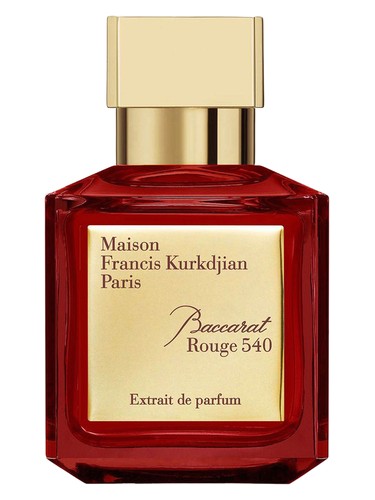
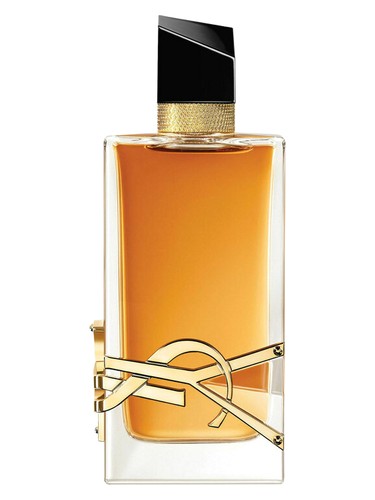
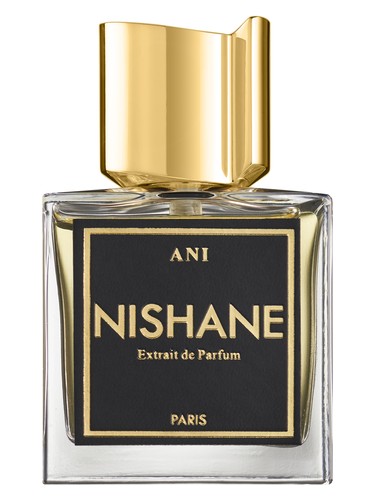
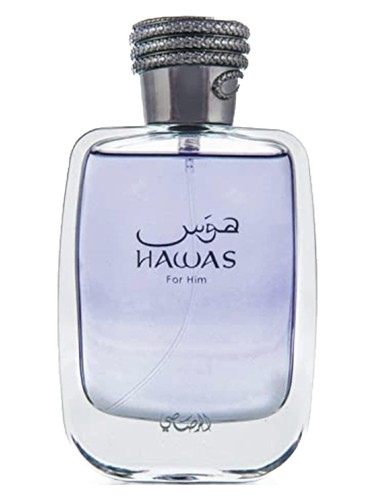
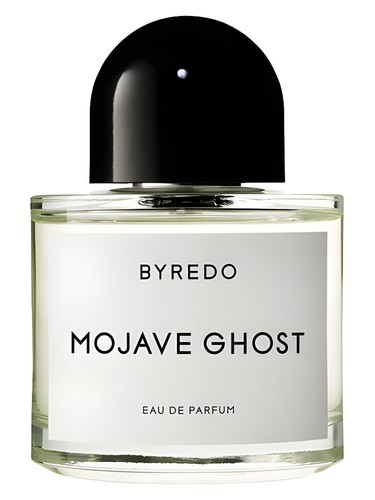
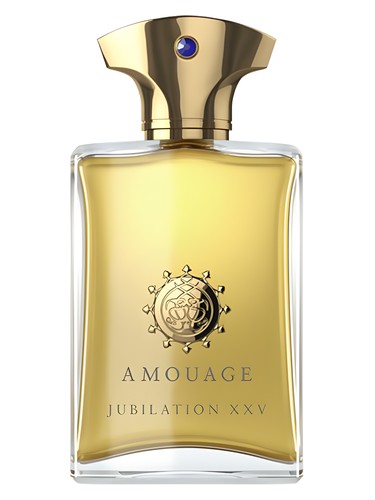
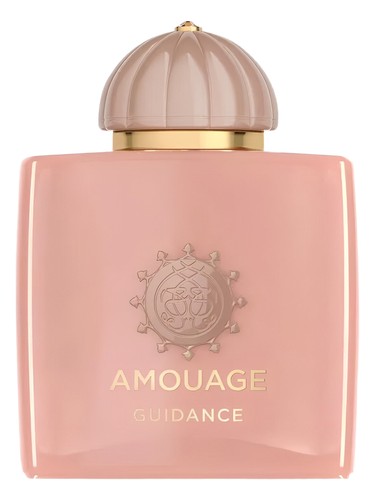
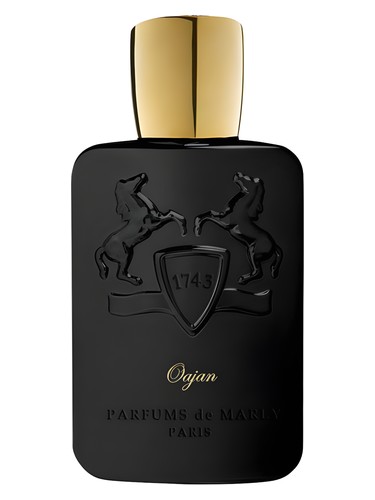
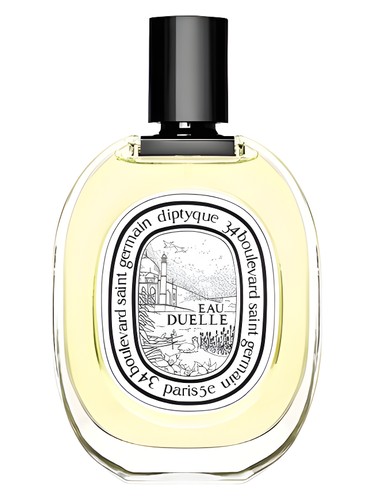
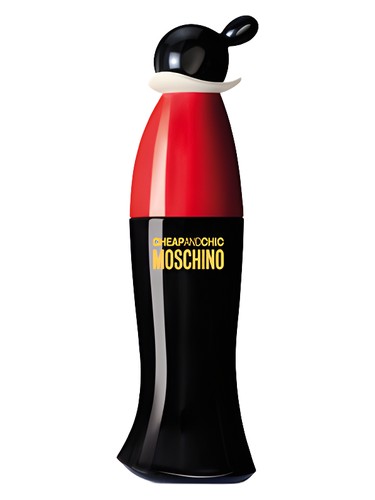
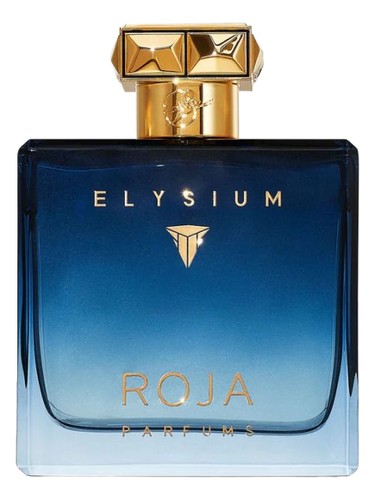
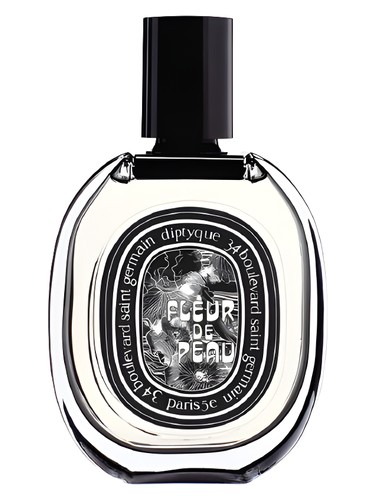
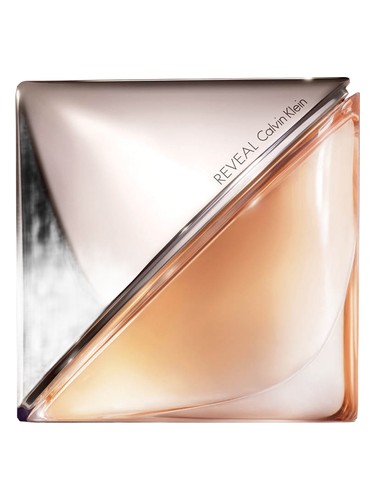
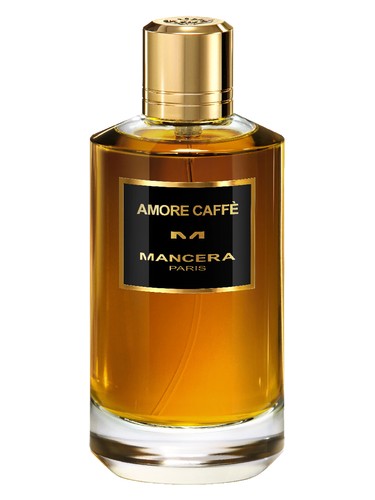
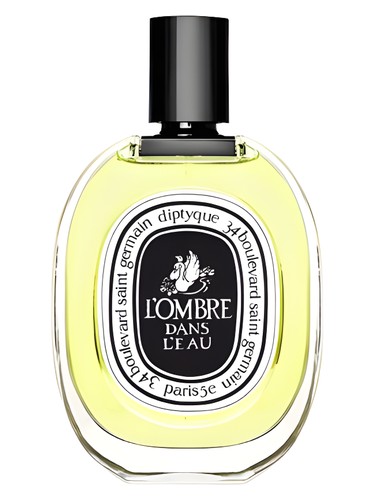
Well-known fragrances with Ambergris
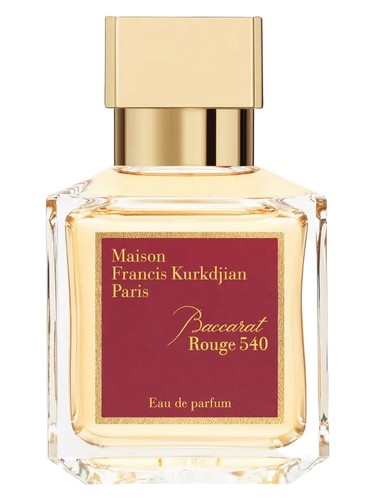
Fragrances that list it in their notes, most-rated first.
Houses that use it most
Ranked by how many of their well-known fragrances list Ambergris.