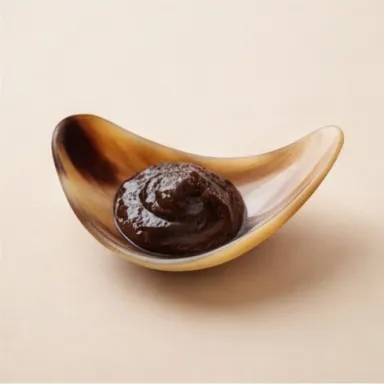
Civet
Warm, musky, slightly fecal animal fur, becoming soft and floral when highly diluted.
You may know it from the smell of a cat's fur or litter tray
Where it comes from
Historically from African civet gland secretion; now usually made with synthetic substitutes.
Worth knowing
Despite the name, modern perfumery civet usually contains no material from civet animals.
About civet
Civet is a glandular secretion, produced by both sexes of the civet family, the Viverridae. The animals were kept in cages on farms, and an African civet yields about three to four grams a week. One perfumery source describes how the fatty paste was scraped out of the gland roughly every ten days, a painful process for the animal. By the 1970s, campaigns by animal defenders had led most perfumers to stop using it.
The smell of neat civet is described by the same source as very violent, particularly animalic, even fecal. Its main odorous constituent is civetone, a macrocyclic ketone that makes up only about 2.5 to 3.4% of the oil, with indole and skatole around 1%. Civetone on its own smells strongly musky and turns pleasant at extreme dilution. Leopold Ruzicka worked out its structure, as he did for muscone.
Perfumers who used the material kept it low. A supplier listing for a civet reconstitution calls it animalic, powdery, leathery and diffusive, and says it is often best used below the level of conscious detection, in jasmine florals, amber, oriental, chypre and tobacco accords. The same source says neat civet softens and smooths a blend when mixed with other materials.
The Arab historian al-Masudi mentioned civet as a spice. Historical versions of Guerlain's Jicky and Mouchoir de Monsieur carried the natural material. Jicky, from 1889, was also among the first perfumes made with synthetic ingredients.
Today a civet note on a label usually points to a synthetic reproduction. Civet is often replaced by 5-cyclohexadecen-1-one, sold as Ambretone, and civetone itself can be synthesised from precursors found in palm oil. Perfumers also build their own bases from several synthetic animal materials. Suppliers sell civet absolute replacers that state they contain no animal extract, and The Good Scents Company lists an IFRA limit of 1.0% in the fragrance concentrate for one of them.
Accords it shows up in
How many of the fragrances listing Civet in our catalogue also carry each accord. We counted this ourselves.
Often paired with
The notes that appear next to Civet most often in our catalogue.









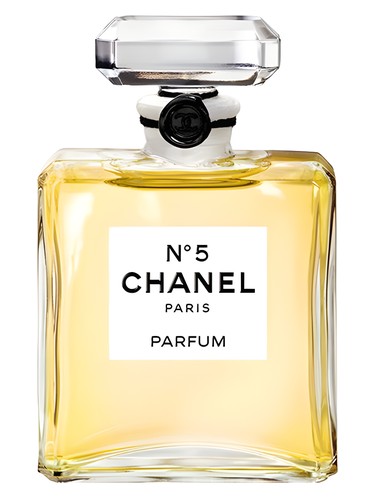
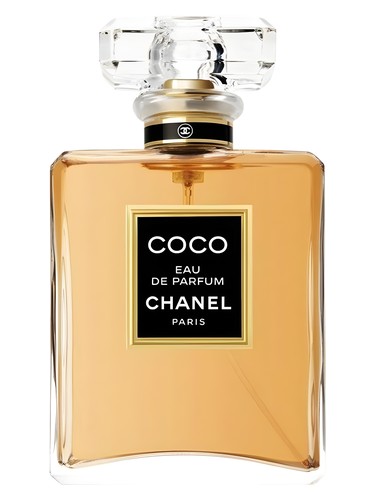
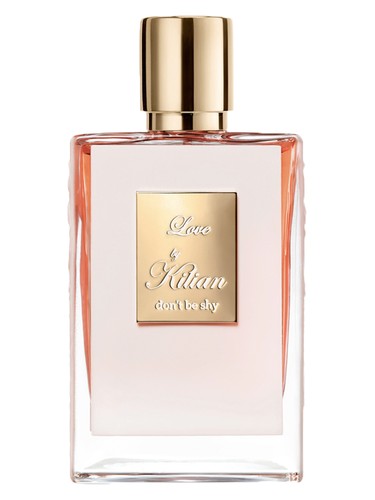
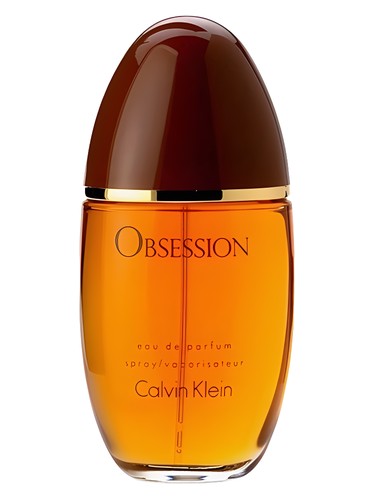
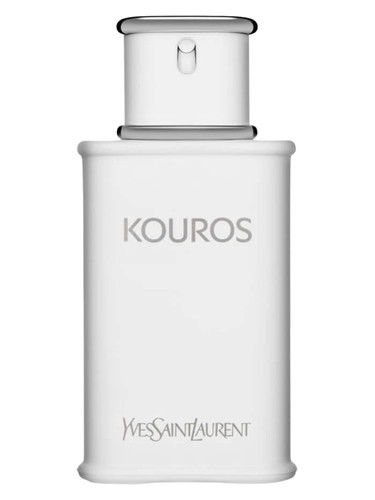
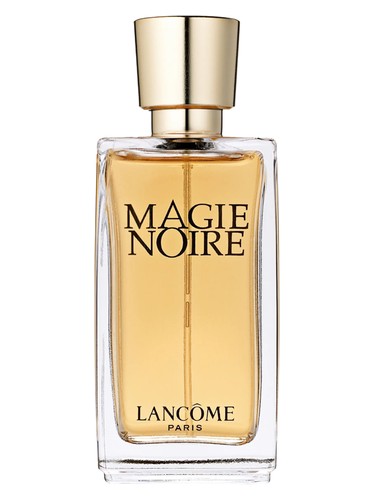
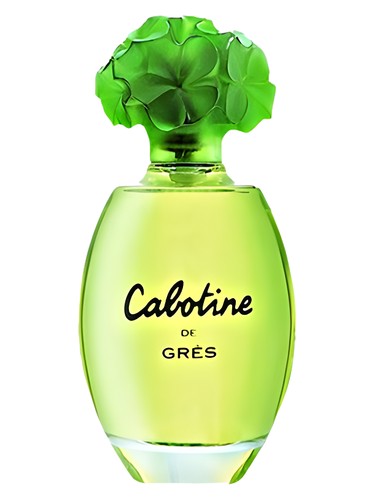
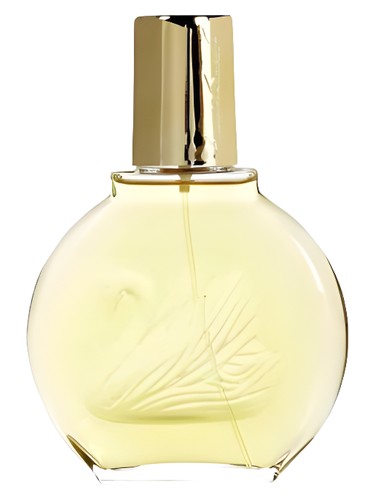
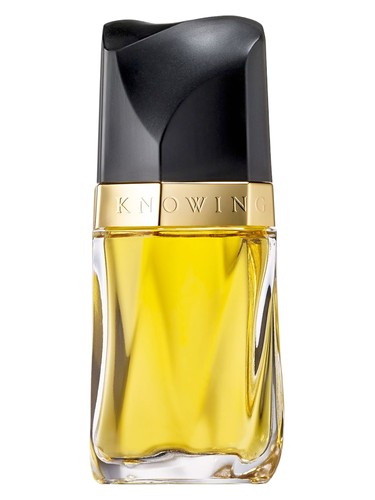
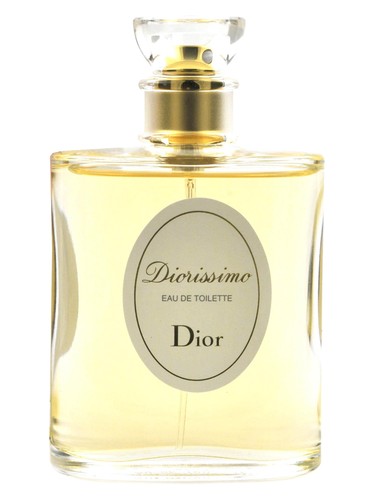
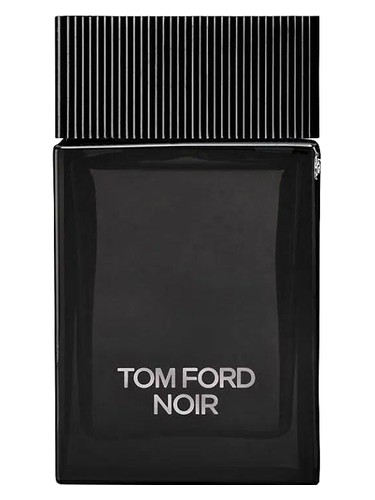
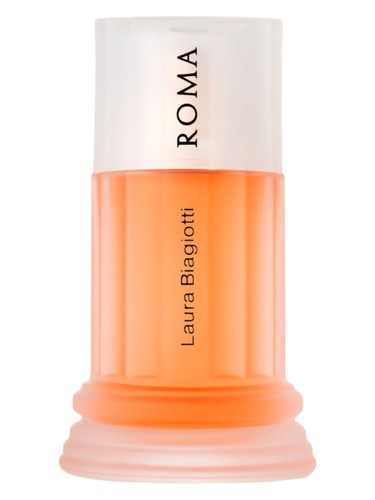
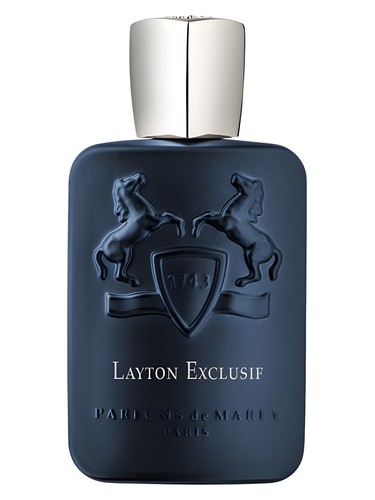
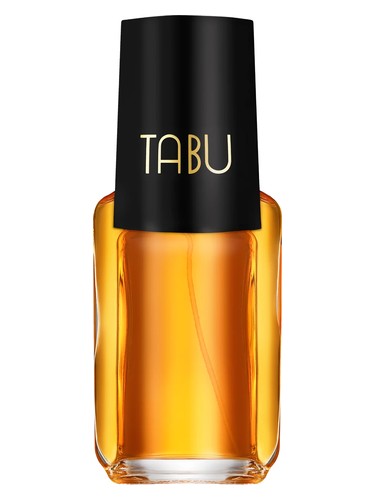
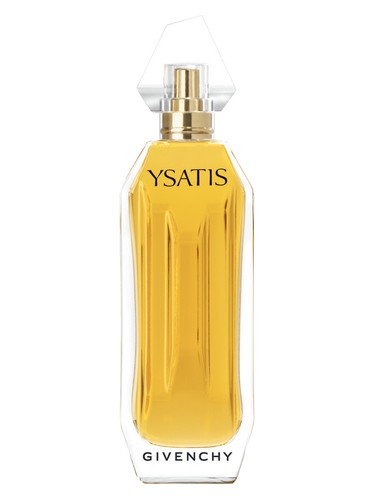
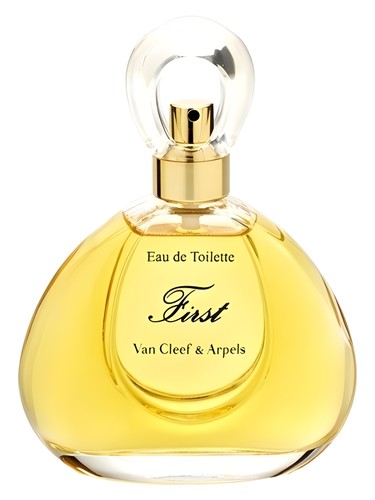
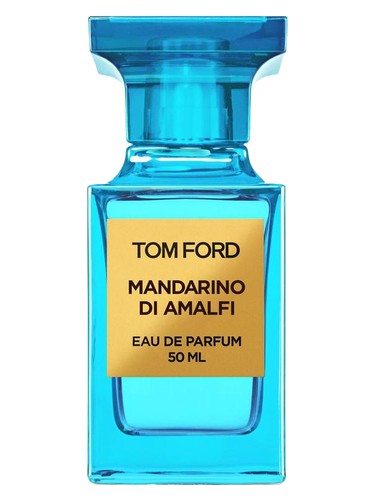
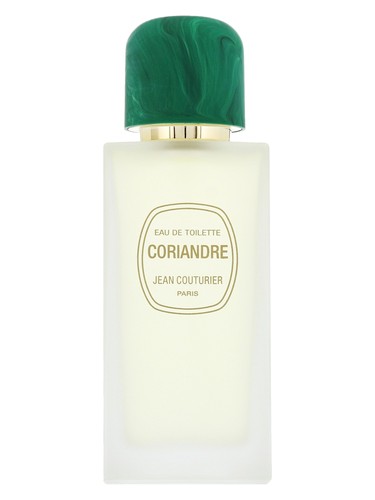
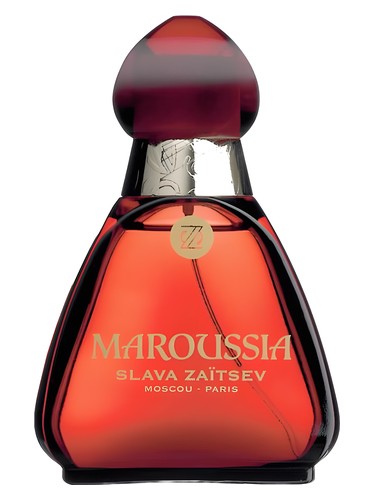
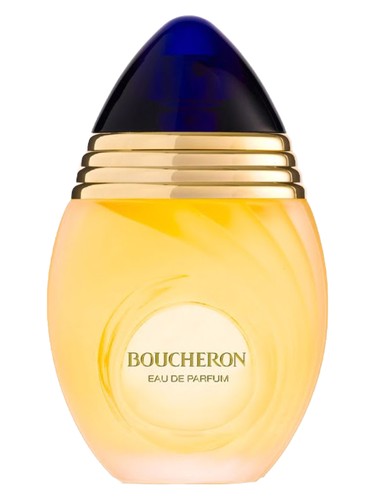
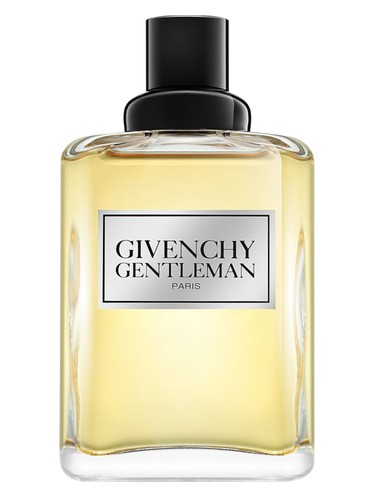
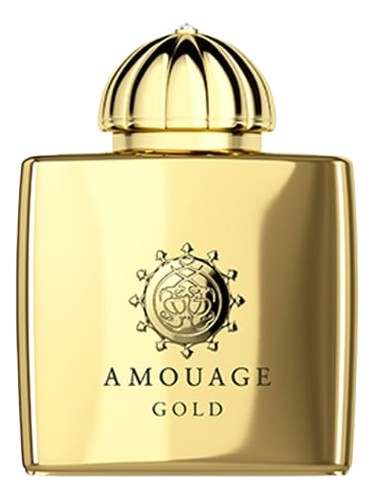
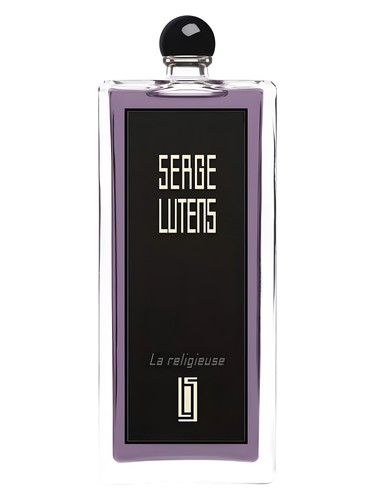
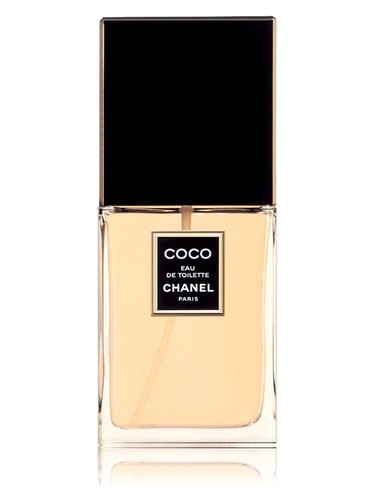
Well-known fragrances with Civet
Fragrances that list it in their notes, most-rated first.
Houses that use it most
Ranked by how many of their well-known fragrances list Civet.