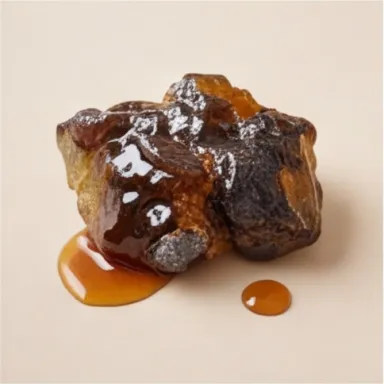
Labdanum
Warm, sweet resin with dry herbs, amber-like richness and a faint leathery smoke.
You may know it from The scent of vermouth
Where it comes from
A sticky resin collected from Mediterranean rockrose shrubs.
About labdanum
Labdanum was first collected with the help of animals. In antiquity the resin was combed from the beards and thighs of goats and sheep that had grazed on cistus shrubs. A rake-like tool with leather thongs was used as well, and sources spell its Greek name two ways, lambadistrion and ladanisterion.
The shrubs are Cistus ladanifer in the west of the Mediterranean and Cistus creticus in the east. They secrete the gum to protect themselves against heat and water loss, and they make most of it at the height of summer, in July and August. The raw gum is a black or dark brown mass that can contain 20% or more water. What reaches a perfumer is a different material, since the absolute is a very thick, dark amber-green substance, and cistus oil is a mobile liquid.
One glossary describes the industrial route for the absolute. Bundles of cistus are boiled in a soda solution, which gives 3 to 5% crude gum, and the gum is then acid-treated, steam-dried and washed with ethanol. The same glossary puts the global harvest at about 10,000 tonnes of cistus bundles a year, and says the Andalusian harvest runs from July to October.
The smell is credited to labdane-type diterpenoids, whose labdanolic acid derivatives give the amber and ambergris character. Alpha-pinene, bornyl acetate and ledene are also found in the absolute. Industry descriptions run through ambery, warm, leathery, balsamic, sweet and slightly animalic, and Biolandes mentions hints of sweet, dusty beeswax. The glossary follows it over time: dark honey and warm leather at first, a castoreum-like animalic side after some hours, and an amber-musk dry-down over days.
Perfumers use labdanum as a plant-based stand-in for ambergris, and Perfume Shrine ties that to ethical concerns about whale-derived material. It is the main ingredient of amber accords and anchors the chypre family, and Coty's Chypre of 1917 set that family on a bergamot, labdanum and oakmoss accord.
Accords it shows up in
How many of the fragrances listing Labdanum in our catalogue also carry each accord. We counted this ourselves.
Often paired with
The notes that appear next to Labdanum most often in our catalogue.











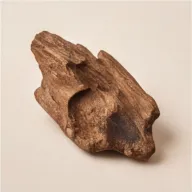
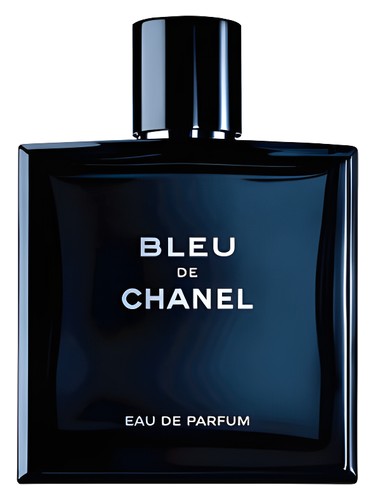
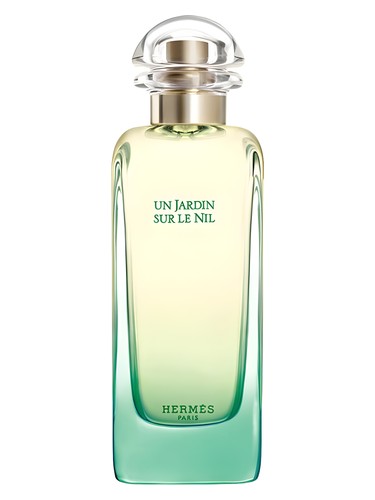
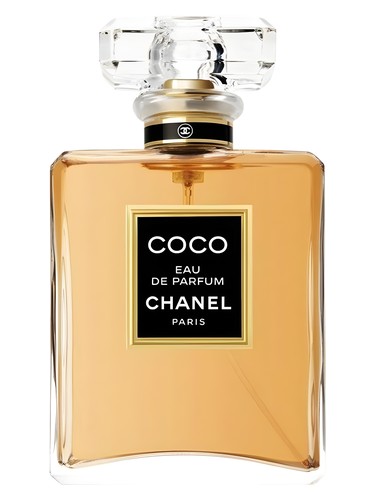
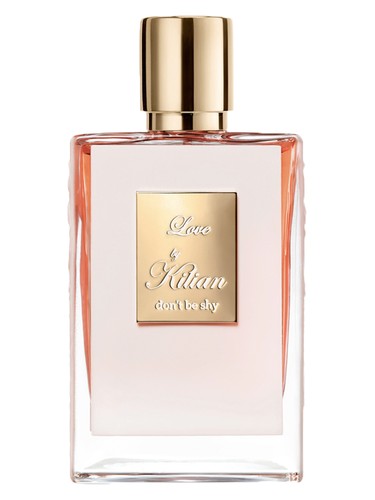
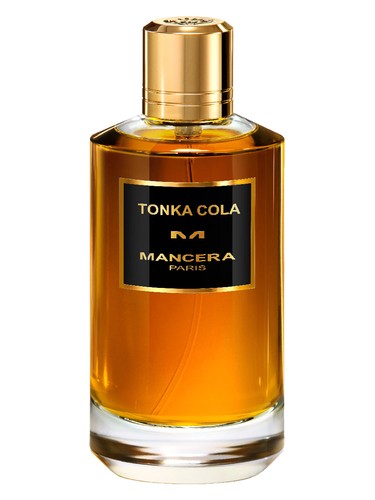
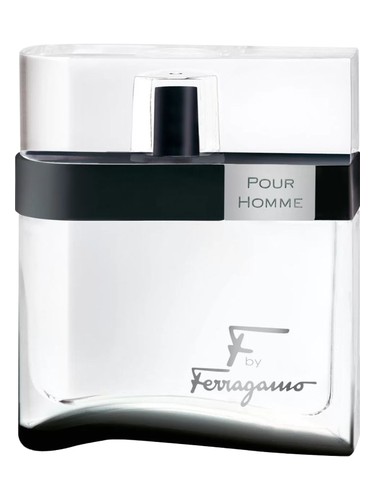
Well-known fragrances with Labdanum
Fragrances that list it in their notes, most-rated first.
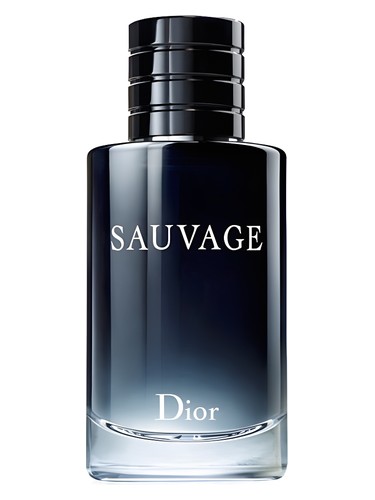
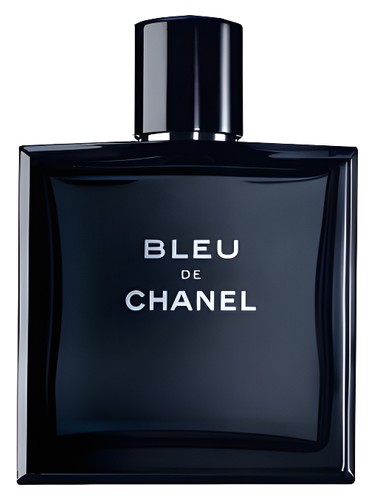
Houses that use it most
Ranked by how many of their well-known fragrances list Labdanum.