Haiku
Fragrance notes




Character
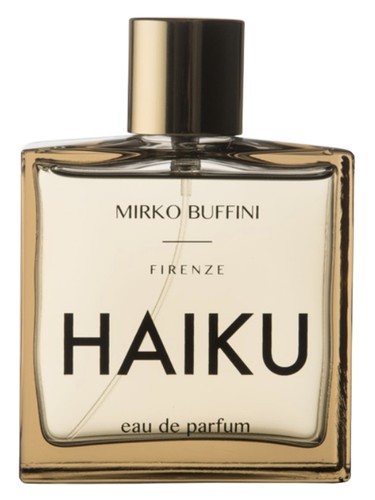
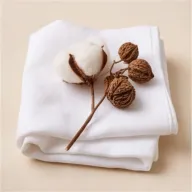
Haiku opens with a cool, airy floral impression, where flax gives the blend a clean, lightly textured feel and white flowers bring a soft radiance. Damask rose adds a graceful petal note, while red berries lend a small spark of sweetness. The effect is polished and serene, with a powdery surface that feels carefully composed without becoming stiff.
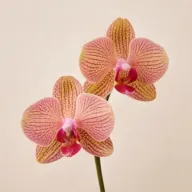
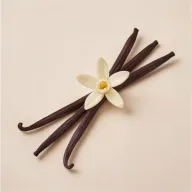
As the fragrance settles, orchid and vanilla make the center creamier. The vanilla is smooth and gentle, shaped by cedar’s dry wood grain and the faint tartness of the berries. Haiku has the quiet presence of a pale silk scarf laid across a wooden table, an image that suits its restrained elegance. Its modest bubble stays close enough for conversation, giving it an intimate, well-mannered character. The scent feels easy to share across genders and flexible enough for a calm office, a daytime walk, or a dressed-up lunch.
The drydown deserves patience. White musk brings a clean, soft finish with a faintly animalic warmth, while amber adds depth and a rounded glow beneath the floral notes. Cedar remains present as a dry line through the base, keeping the vanilla smooth and the powdery facets composed. The longer it sits, the more the fragrance shifts toward musk, amber, and a gentle floral residue, with the opening’s freshness becoming quieter and more skin-like. It is long-lasting, though its projection stays measured.
Haiku works especially well in spring and fall, with enough warmth for winter and a lighter touch for summer. Its day-leaning mood makes it a natural choice for wearers who enjoy soft florals, clean musk, and subtle sweetness.
Smells similar
We matched these by the notes each one lists, giving more weight to the unusual ones they share. Sharing materials does not make one a copy of the other.