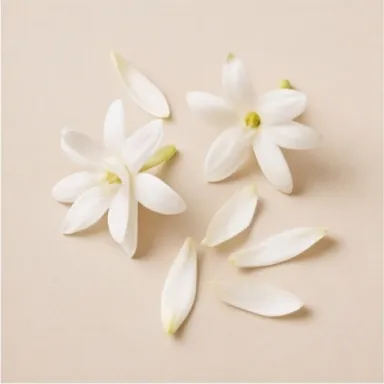
White Flowers
Creamy, sweet flower petals with a rich, sometimes heady warmth.
You may know it from a bouquet of jasmine, tuberose, gardenia, or orange blossom
Where it comes from
A family label built from natural flower extracts and synthetic materials.
Worth knowing
It is a broad category, not one specific flower or ingredient.
About white flowers
Most of what people mean by white flowers comes down to one molecule. Indole, CAS 120-72-9, is a powerful constituent of jasmine and most other white flowers, and it is the name most often given to their narcotic, heady side. The amounts differ a lot. ScenTree gives 4 to 7% in jasmine grandiflorum absolute and 0.10 to 0.50% in bitter-orange neroli oil, depending on origin, while Cafleurebon puts most jasmine oils at around 2.5%.
Indole smells very different depending on how much of it there is. Concentrated, it is faecal, mothball-like and harsh. In trace amounts it turns floral and radiant. One author points out that the molecule is chemically identical at every concentration and only perception changes. A Cafleurebon critic finds florals built without it a little flat and dry.
The label describes a character as well as a colour, as Fragrenza puts it, so the membership list shifts with the author. Cafleurebon names jasmine, tuberose, gardenia, orange blossom and hyacinth. Olentium lists jasmine, osmanthus, tuberose, orange blossom, gardenia and frangipani.
A few other molecules recur across the family. Methyl anthranilate occurs naturally in jasmine, orange blossom, gardenia, neroli and tuberose, and on its own smells of sweet, fruity Concord grape. Benzyl acetate is found in jasmine, ylang-ylang and neroli oils and smells sweet, fruity-floral and jasmine-like. Methyl benzoate, with an almond-floral smell, occurs in ylang-ylang and tuberose. Perfumers use indole and methyl anthranilate to boost or rebuild the animalic side, and ScenTree lists indole in reconstructions of jasmine, rose and neroli.
Modern accords commonly blend absolutes with synthetic molecules. Hedione, which gives jasmine lift and a clean, airy diffusiveness without indolic weight, was characterised at Firmenich by Edouard Demole after it turned up in jasmine absolute at 0.8%.
Olentium says Chanel No. 5, from 1921, broke with overt flowers and built an artificial construct instead. Cafleurebon calls Fracas by Robert Piguet the queen of indole in tuberose.
Accords it shows up in
How many of the fragrances listing White Flowers in our catalogue also carry each accord. We counted this ourselves.
Often paired with
The notes that appear next to White Flowers most often in our catalogue.











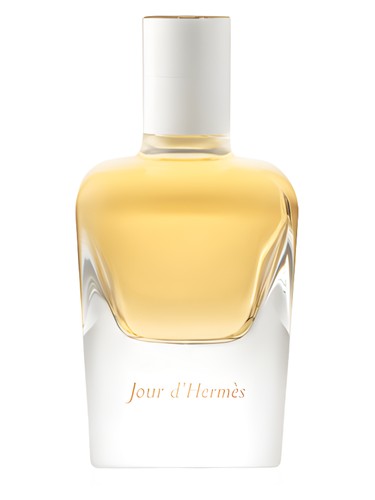
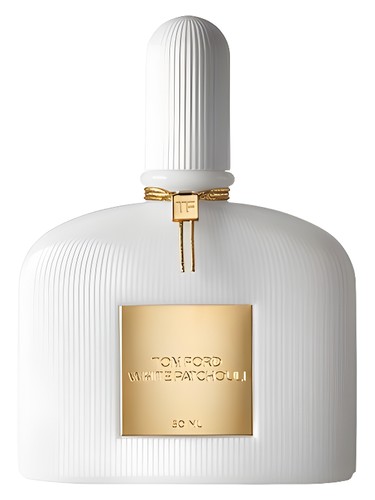
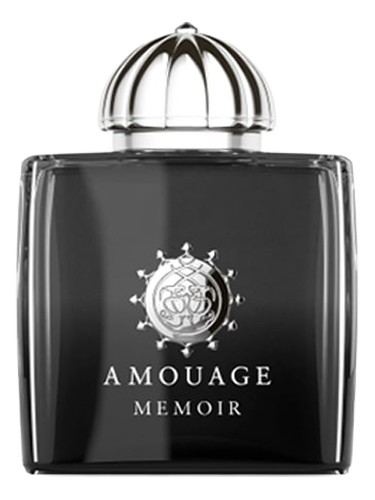
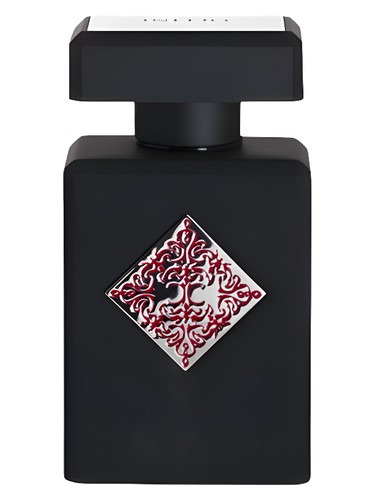
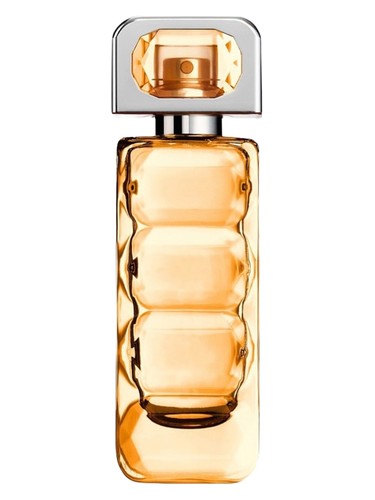
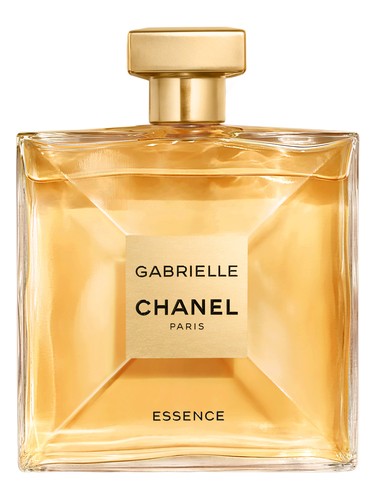
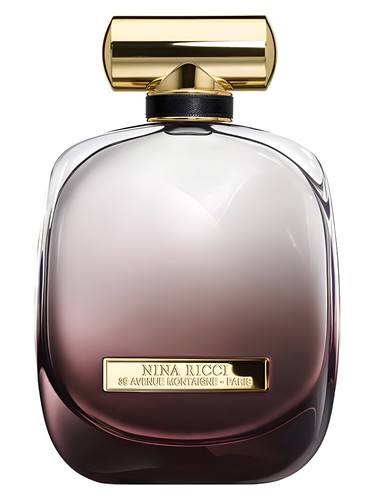
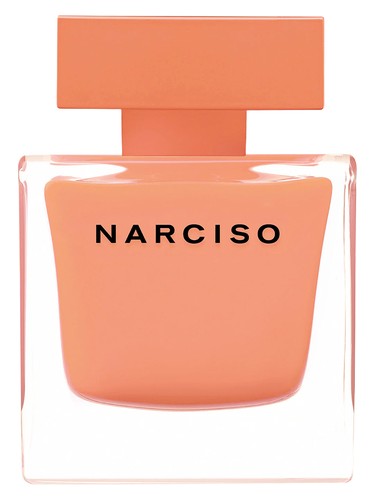
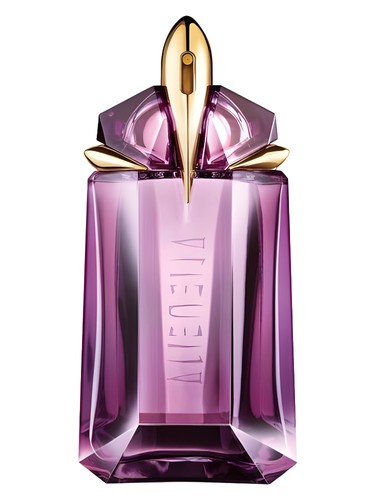
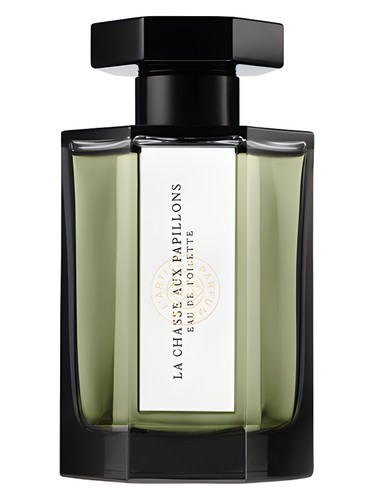
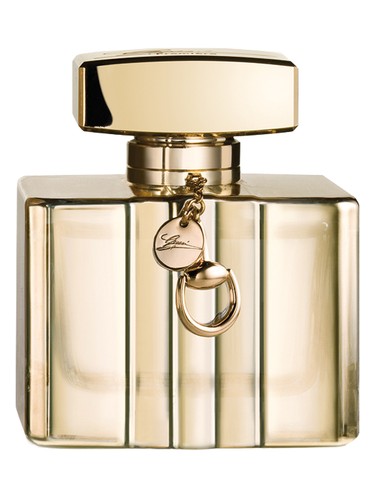
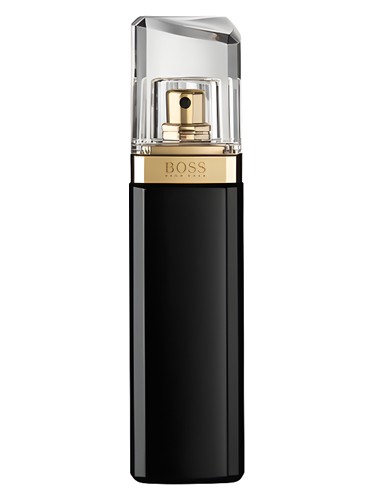
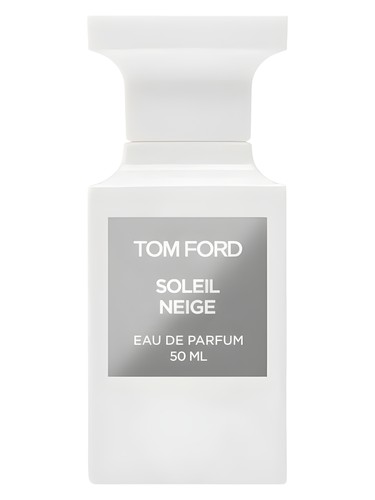
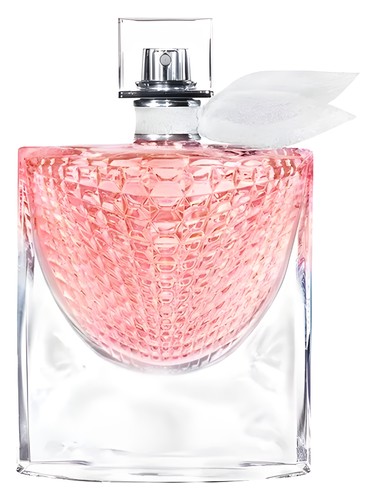
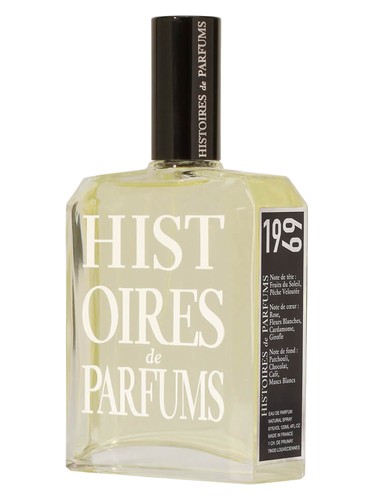
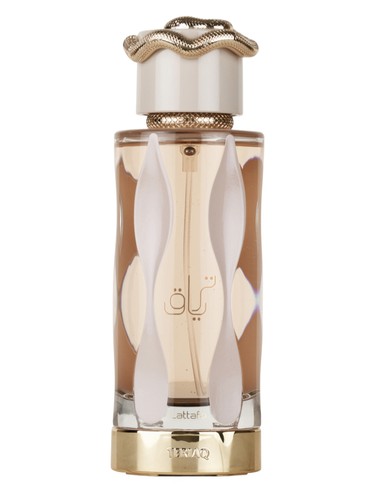
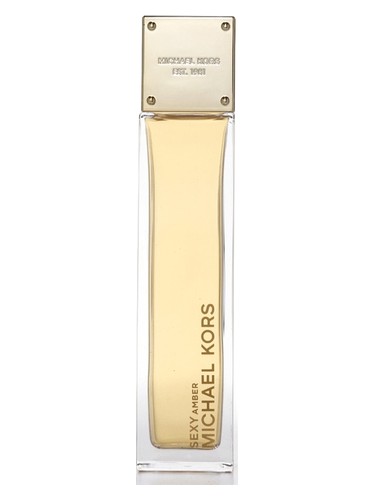
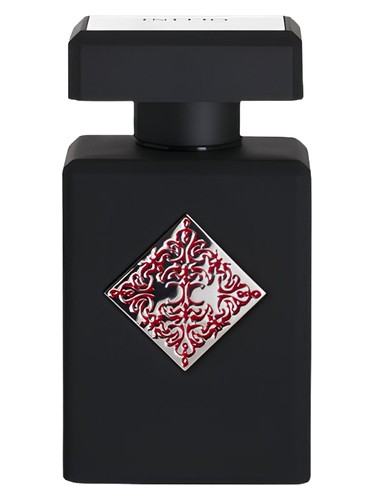
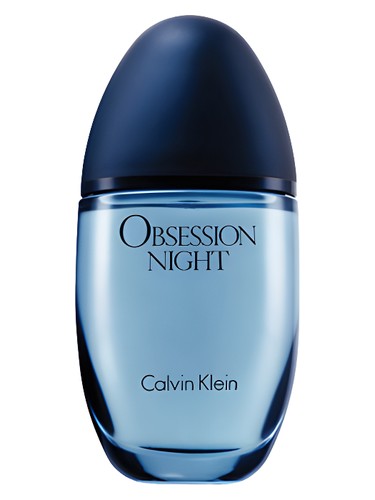
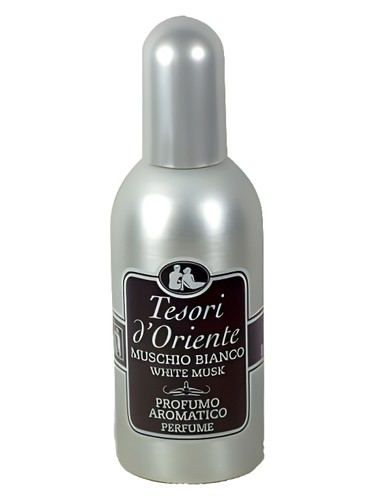
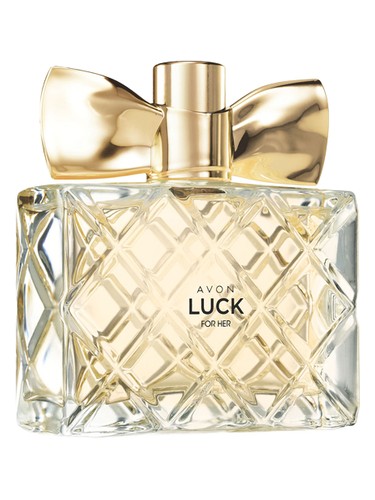
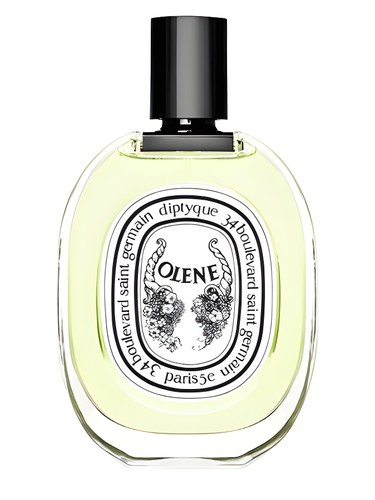
Well-known fragrances with White Flowers
Fragrances that list it in their notes, most-rated first.
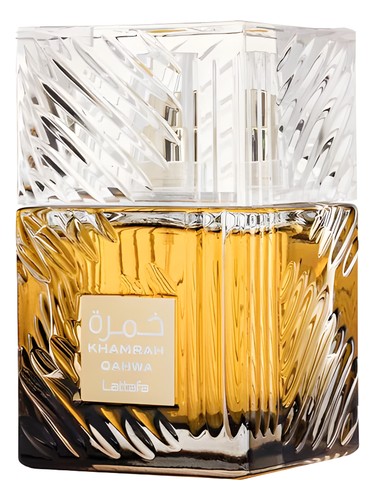
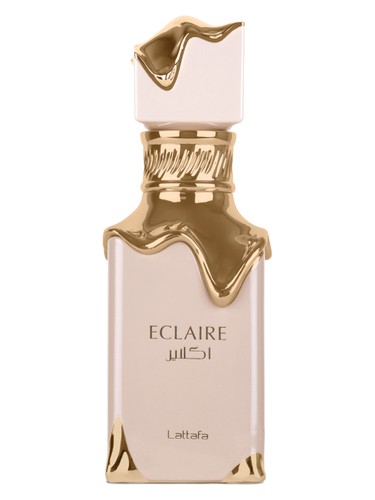
Houses that use it most
Ranked by how many of their well-known fragrances list White Flowers.