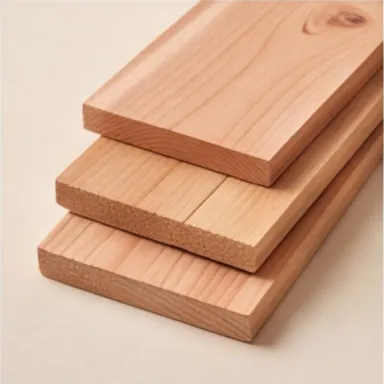
Cedar
Dry pencil shavings, clean warm wood, and a faintly smoky, resinous scent.
You may know it from Freshly sharpened pencil shavings
Where it comes from
Usually steam-distilled from cedarwood or juniper wood.
Worth knowing
Many cedarwood oils come from juniper trees, not true cedars.
About cedar
Most cedarwood in perfume comes from a juniper. The bulk of commercial cedarwood oil comes from junipers and cypresses rather than true cedars, and Bois de Jasmin and the Delacourte blog both place Atlas cedarwood, from Cedrus atlantica, as the less common choice. Bois de Jasmin uses it for a plush, honeyed effect. The tree itself is concentrated in Morocco, which holds about 163,000 hectares of Atlas cedar forest, 80% of it in the Middle Atlas, while Algerian stands have dropped below 15,000 hectares.
Virginia cedarwood is the best documented of these, from Juniperus virginiana, a slow-growing juniper of eastern North America. Givaudan makes its oil by steam-distilling sawmill by-products and leaves the roots in the ground. Its heartwood was once the standard wood for pencils, until supply thinned out by the 1940s and incense-cedar took over. Givaudan ties the oil's smell to those 19th-century pencils. Texas cedarwood oil is distilled from powdered heartwood instead.
Not every nose reads it the same way. Bois de Jasmin describes cedarwood as smelling either of fresh sap and violet petals or of pepper and soft smoke. Part of the character comes from cedrol, a sesquiterpene alcohol that makes up about 19% of Texas oil and 15.8% of Virginia oil. Virginia oil also contains cedrene and thujopsene.
Perfumers also work with molecules isolated or derived from it, among them cedryl acetate, cedrol, Vertofix and Cedramber. Scentspiracy says Vertofix, or methyl cedryl ketone, is made by hydrogenating cedarwood oil and then ketonizing it, giving a dry, woody, ambery fixative. The oil has a long record: it reaches back to ancient Egypt, where it went into cosmetics and embalming.
Iso E Super is often filed under cedarwood, and Bois de Jasmin names it as a popular synthetic of that type, found in Molecule 01. It is built by a Diels-Alder reaction, was developed at IFF with patents from 1975, and first appeared in Halston that same year.
Accords it shows up in
How many of the fragrances listing Cedar in our catalogue also carry each accord. We counted this ourselves.
Often paired with
The notes that appear next to Cedar most often in our catalogue.












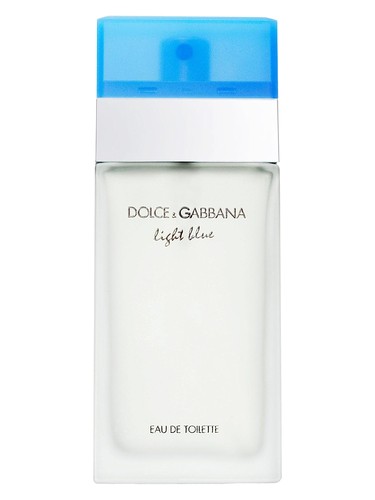
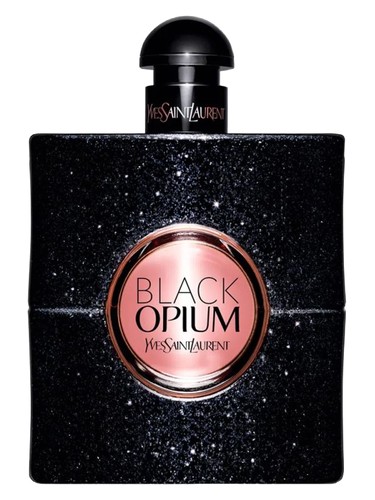
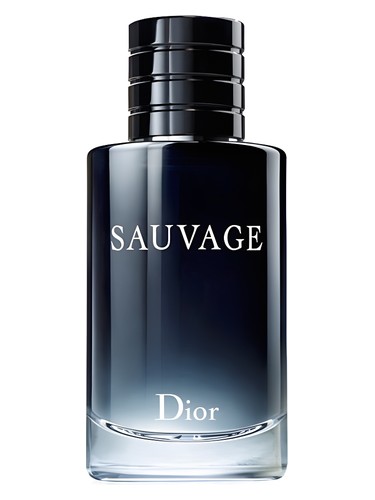
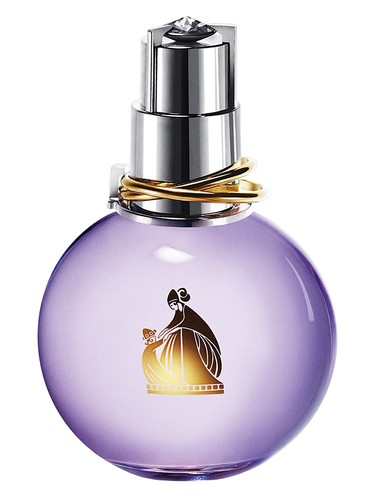
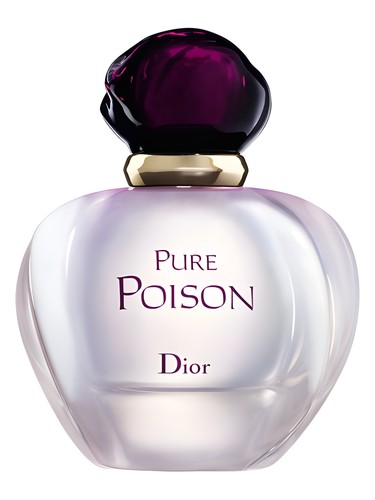
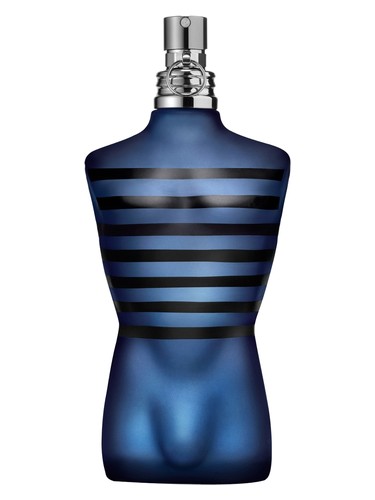
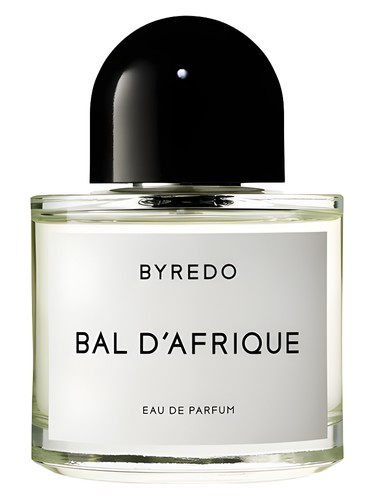
Well-known fragrances with Cedar
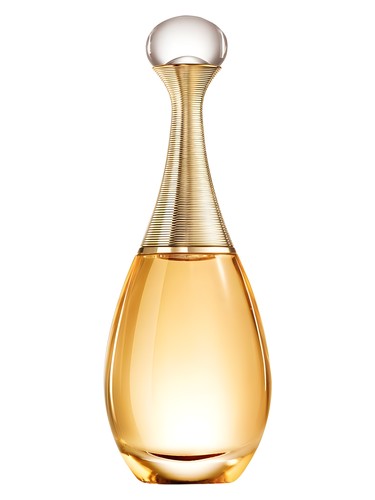
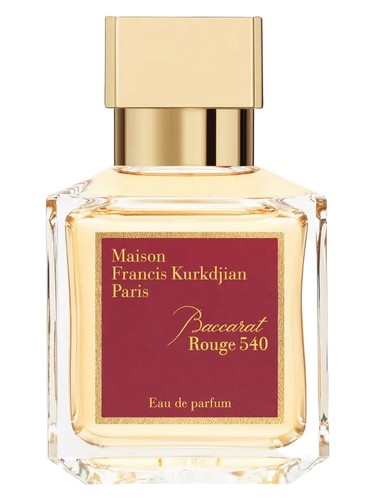
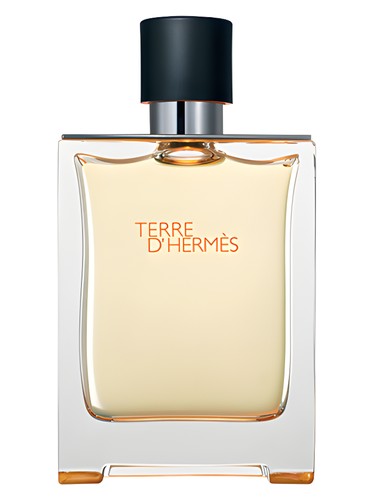
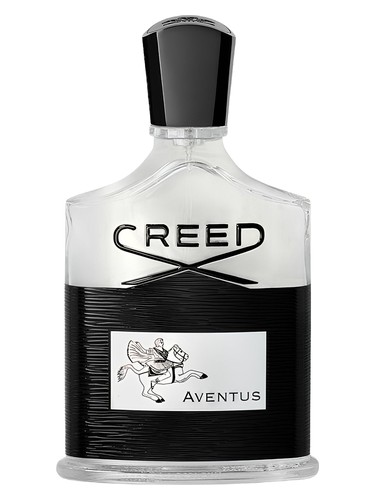
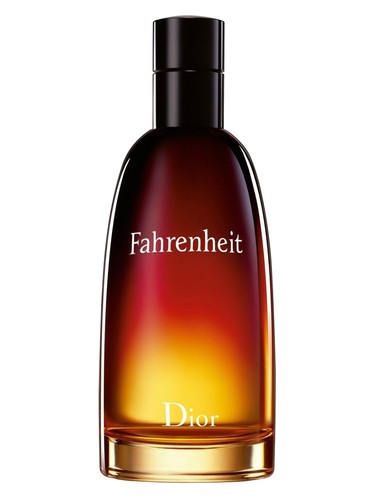
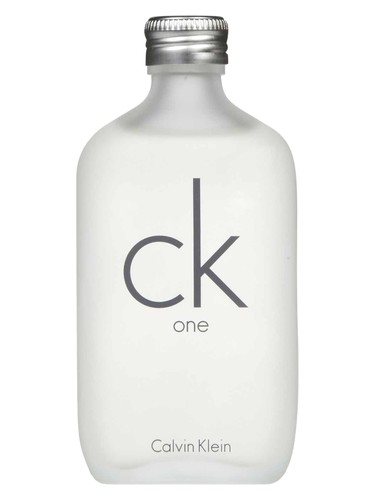
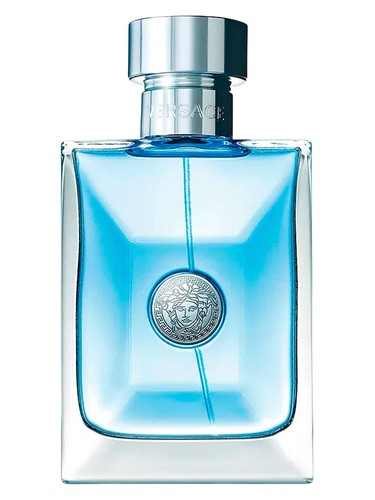
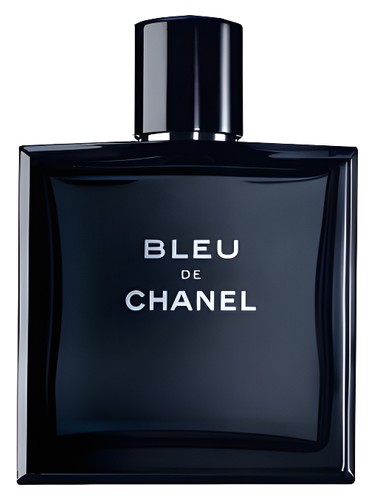
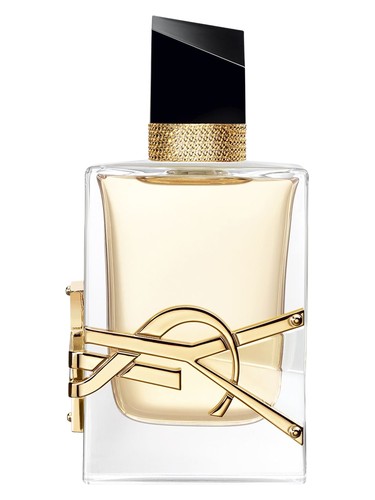
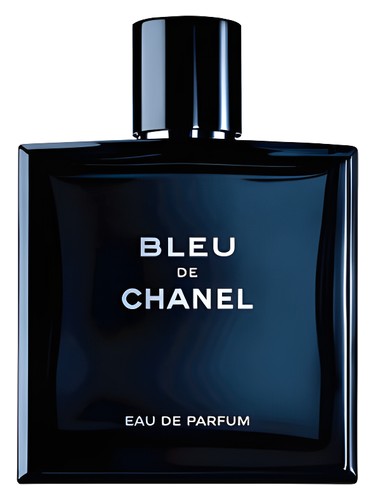
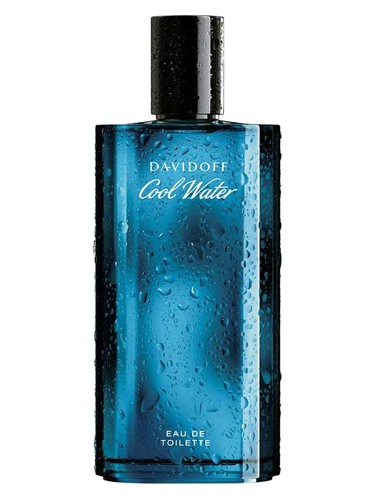
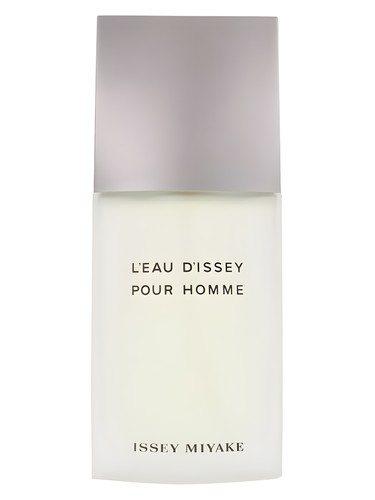
Fragrances that list it in their notes, most-rated first.
Houses that use it most
Ranked by how many of their well-known fragrances list Cedar.