Hibiscus
Fragrance notes
Character
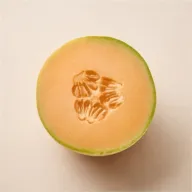
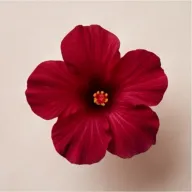
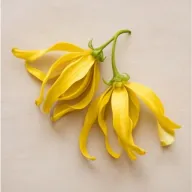
The melon note feels a touch synthetic, like the scent of a fruit gummy rather than a slice fresh from the rind. It sits at the edge of a warm afternoon near a garden pond, where the air is damp and heavy with the smell of wet stone. You stand with your feet on the mossy bank, feeling the humidity cling to your skin. The hibiscus and ylang-ylang drift up from the water's edge, their petals soft and slightly waxy against the crisp, ozonic air that moves across the surface. It is a clean, green atmosphere that wraps around you, distinct from the sharper chemical opening that refuses to fully disappear into the background.
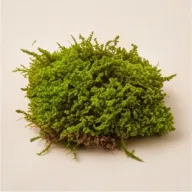
Moss and musk anchor the scene, grounding the floral display in a earthy, damp soil that feels cool against the heat. The spicy freshness cuts through the humidity, creating a space that feels both wild and carefully tended. You notice how the synthetic melon occasionally clashes with the natural, dewy hibiscus, creating a small rift in the garden's tranquility. It is a fragrance that paints a vivid picture of a lush, aquatic landscape, yet that initial artificial fruitiness remains a persistent distraction. The scent captures the essence of a tropical bloom perfectly, even if the introduction feels manufactured.
The composition stays true to its watery, green character, but the opening melon never quite loses that candy-like quality. It lingers in the air around you, a reminder that the natural hibiscus is paired with something less authentic. While the mossy base provides a lovely, grounded finish to the atmosphere, the initial artificial impression keeps the entire experience from feeling completely organic. It is a beautiful scene of summer flora, yet that one synthetic thread prevents the moment from feeling entirely real.
Smells similar
We matched these by the notes each one lists, giving more weight to the unusual ones they share. Sharing materials does not make one a copy of the other.