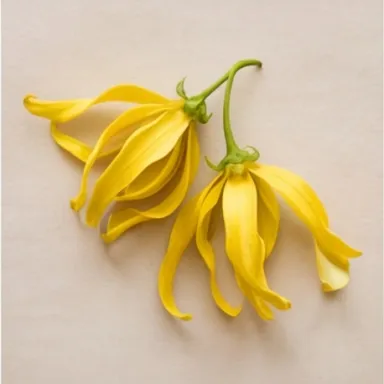
Ylang-Ylang
Sweet, creamy tropical flowers with a banana-like richness and a faint spicy edge.
You may know it from Ylang-ylang essential oil in some floral soaps
Where it comes from
Steam-distilled essential oil from the flowers of Cananga odorata.
Botanical name: Cananga odorata
IFRA rules
IFRA restricts Ylang ylang extracts to 0.73% in fine fragrance, citing dermal sensitization.
From the IFRA Standards, 51st Amendment. A perfume that lists this note may use a synthetic version the Standard does not cover.
About ylang-ylang
The name is usually translated as "flower of flowers" and comes from Tagalog. The tree, Cananga odorata, grows fast and is native to the Philippines and Indonesia. French monks and settlers took it to islands in the Indian Ocean, and the Comoros became a main source of the oil. Sources differ on when it arrived there, with one saying the end of the 19th century and another the start of the 20th.
The oil is collected in stages. Distillers draw it off at intervals, which gives the grades Extra, I, II and III, plus "complete", defined as a run from start to finish with no interruption. A full run takes about 22 hours. The early Extra fraction is mainly esters and ethers, while the last is mostly sesquiterpenes, and a longer run does not mean a better oil. In practice complete is often a blend of fractions, and one supplier notes that a single full run would carry the off notes found in cananga oil. That one comes from the macrophylla form of the same species and contains much greater concentrations of caryophyllene.
Benzyl acetate, linalool, p-cresyl methyl ether and methyl benzoate are credited with most of the odour, and Extra is the richest in them. Premiere Peau's glossary describes an opening of thick banana-custard sweetness with a jasmine-like creaminess and a rubbery, medicinal edge from the p-cresyl methyl ether. Over hours it settles into a warm creamy-floral heart with spicy and woody facets. The critic at NST Perfume lists clove, oiled rubber, camphorous wintergreen and fruit running from banana to guava among its facets.
Trade figures cited by Premium Beauty News put Comorian oil at about 11% of national revenue in 2013-14. The same report says forest cover there shrank by 25% in 20 years, and names firewood for distillation as a pressure on the trees. It adds that Chanel encourages its suppliers to plant trees for firewood.
Accords it shows up in
How many of the fragrances listing Ylang-Ylang in our catalogue also carry each accord. We counted this ourselves.
Often paired with
The notes that appear next to Ylang-Ylang most often in our catalogue.











Well-known fragrances with Ylang-Ylang
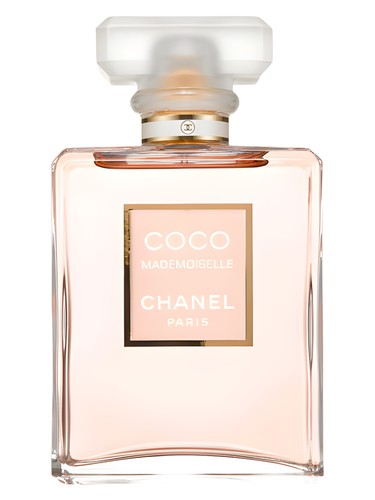
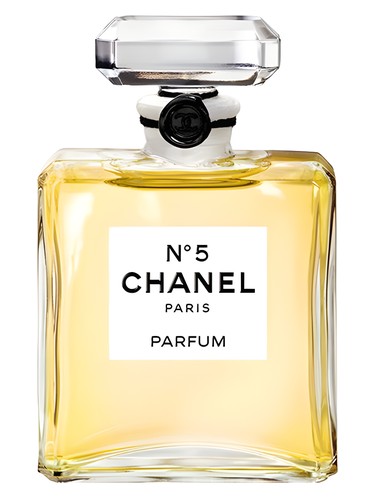
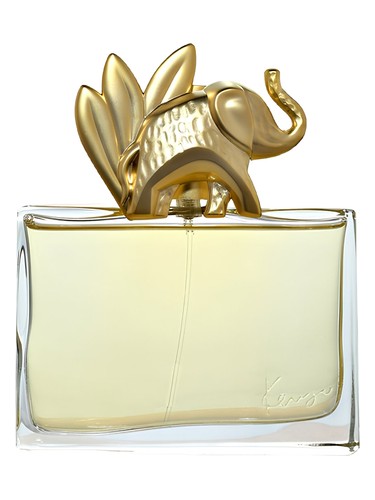
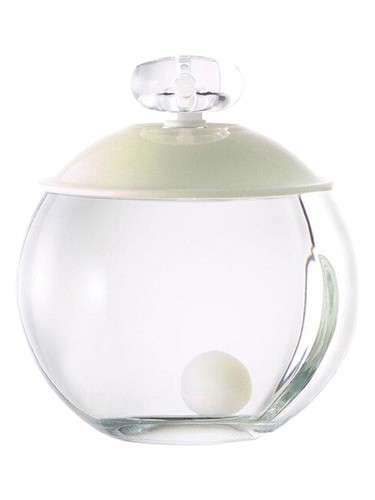
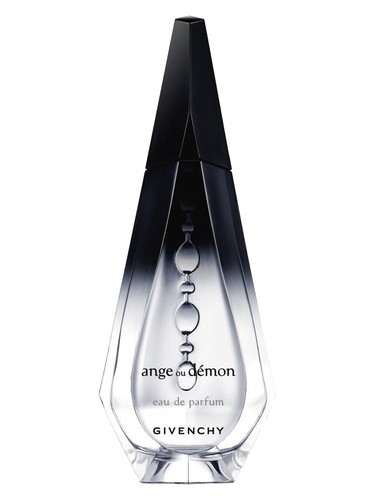
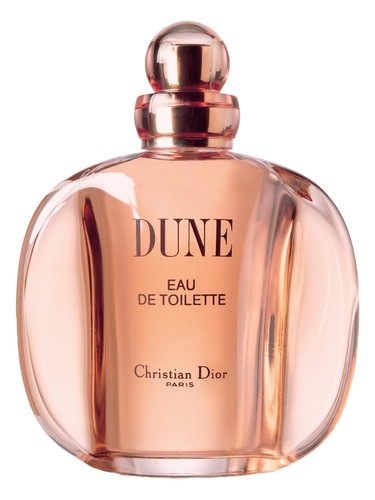
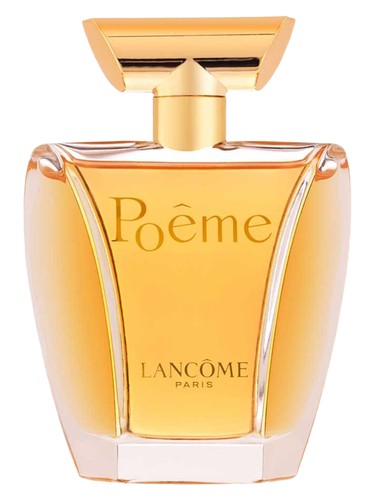
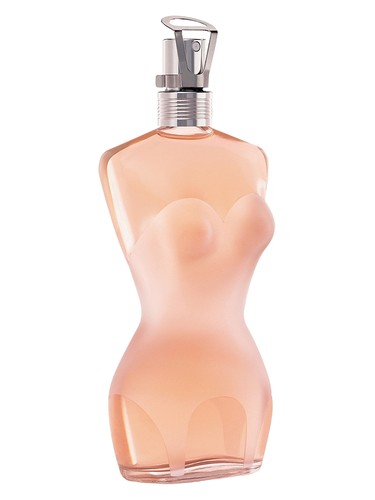
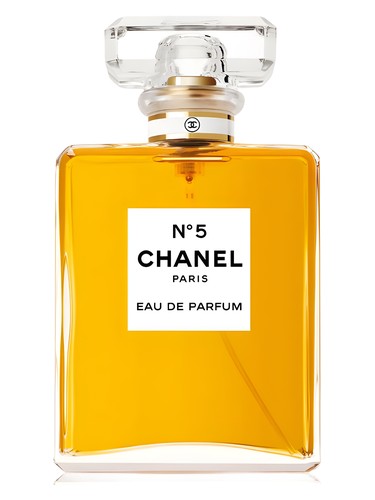
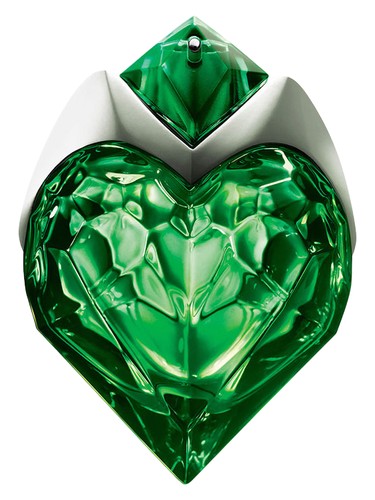
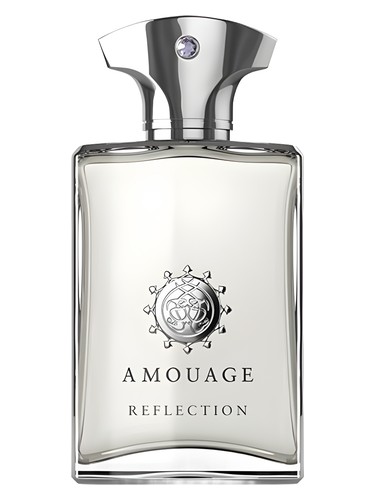
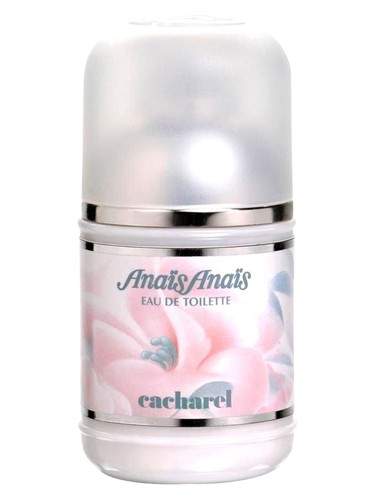
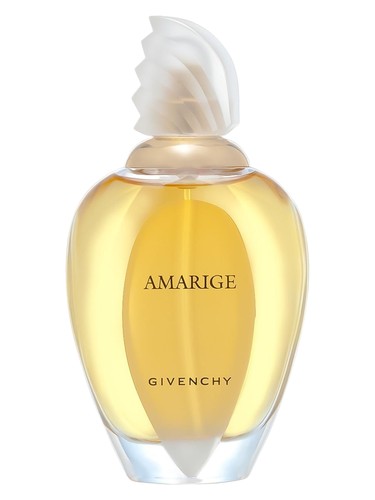
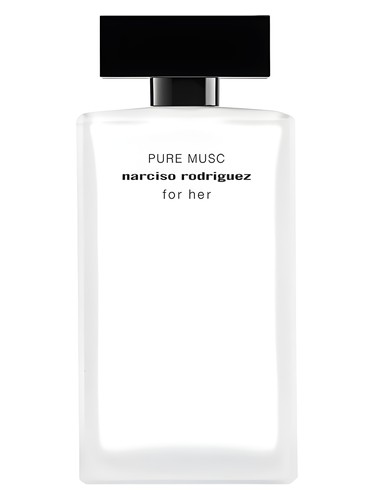
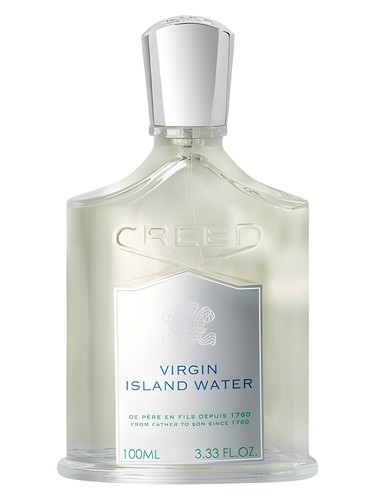
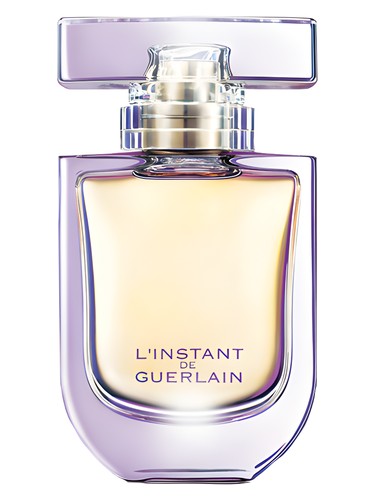
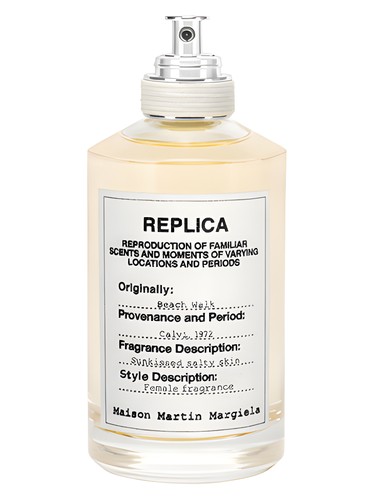
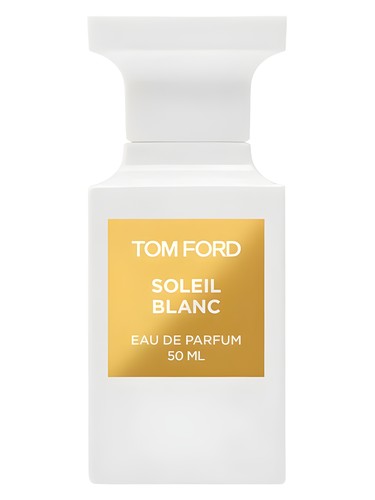
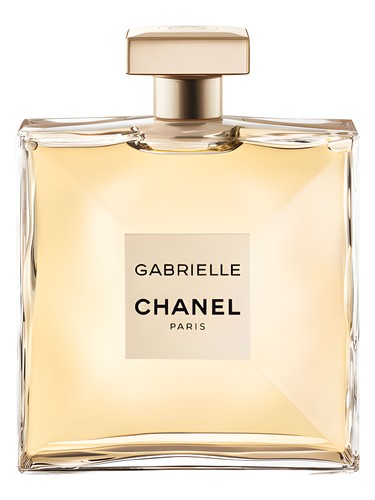
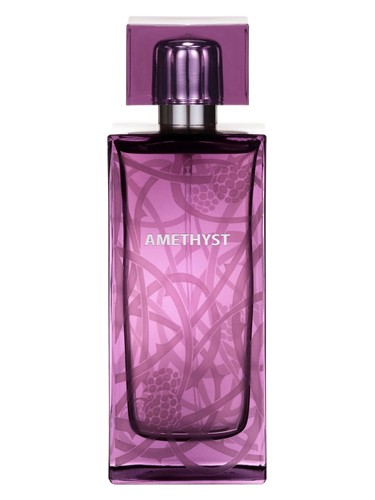
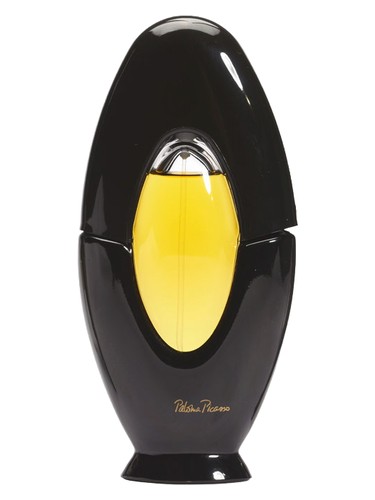
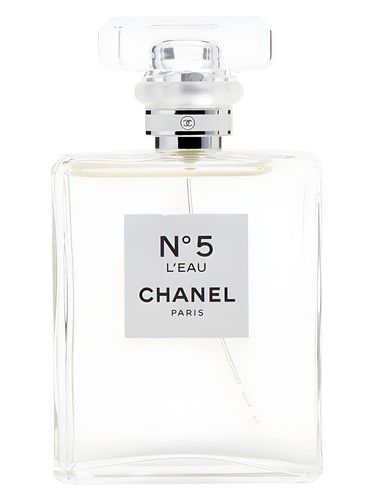
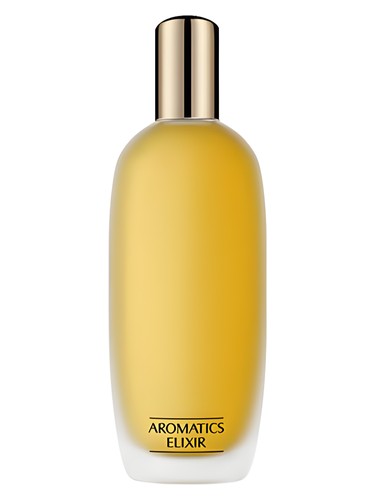
Fragrances that list it in their notes, most-rated first.
Houses that use it most
Ranked by how many of their well-known fragrances list Ylang-Ylang.