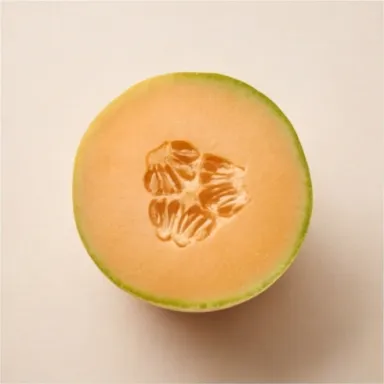
Melon
Juicy ripe cantaloupe or honeydew, sweet, watery, and lightly green.
You may know it from A freshly cut cantaloupe melon
Where it comes from
Built from aroma chemicals because melon fruit has no practical perfume extract.
Worth knowing
It is usually an accord, not oil pressed or distilled from melon.
About melon
A melon note in a perfume is built, because no natural extraction method produces a commercially viable melon material. The glossary at Premiere Peau calls cantaloupe a fantasy accord, assembled from aroma chemicals. The real fruit, Cucumis melo, has a complicated aroma in which esters predominate, particularly acetates. In one melon line studied at peak ripeness, 2-methylbutyl acetate was the dominant volatile at about 30% of the total, with an odor threshold of 2 ppb.
Perfumers reach for a few specific molecules instead. Melonal, also sold as 2,6-dimethylhept-5-enal, is a head-note aldehyde that Scentree lists for melon and cucumber reproduction, as well as marine and juicy fruit effects. Another aldehyde, (Z)-6-nonenal, is named as the principal component of muskmelon aroma. It smells green, like cucumber and melon, and forms when the fruit's cells are broken.
The molecule most tied to melon in modern perfumery is Calone, often called the watermelon ketone. It was discovered at Pfizer in New York in 1966. Its own character is an intense sea-breeze note with slight floral and fruit overtones, so it lends a watery, marine lift to a melon accord. Osmetheca describes Aramis New West for Her as the first fragrance to use it at a structural dose, around 1.2 percent, and credits its aqueous melon-marine character with driving the aquatic fragrances that dominated 1990s mainstream perfumery. Current perfumers, the same source adds, handle it more discreetly to avoid a dated feel. One supplier-side source puts typical fine fragrance use at 0.8% or less, and says it can dominate a composition even at that level.
On skin, Premiere Peau describes a bright, fruity-green ester burst at the start that softens to a musky sweetness within hours. It blames the poor tenacity of melon molecules for the fade, and says the accord is nearly gone after days.
Scentree notes that Melonal is not restricted under the IFRA 51st Amendment, though it carries an irritant classification and may cause an allergic skin reaction.
Accords it shows up in
How many of the fragrances listing Melon in our catalogue also carry each accord. We counted this ourselves.
Often paired with
The notes that appear next to Melon most often in our catalogue.











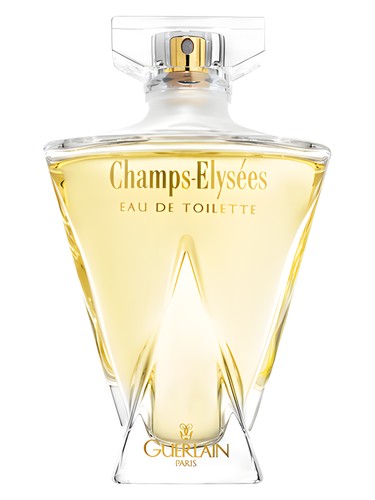
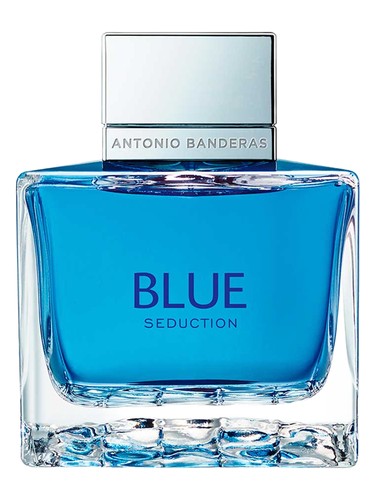
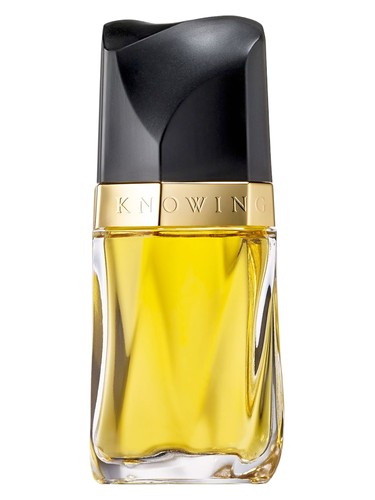
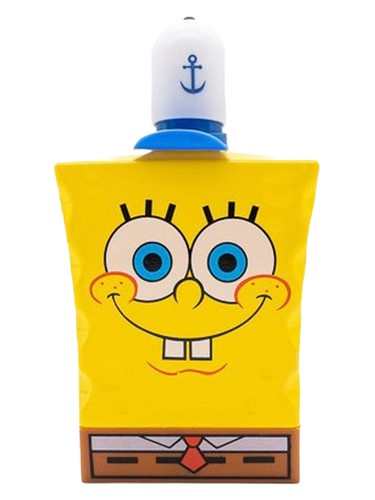
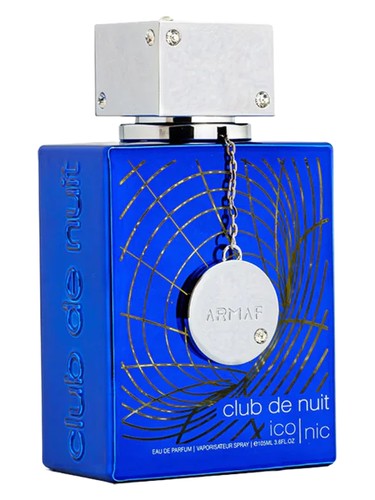
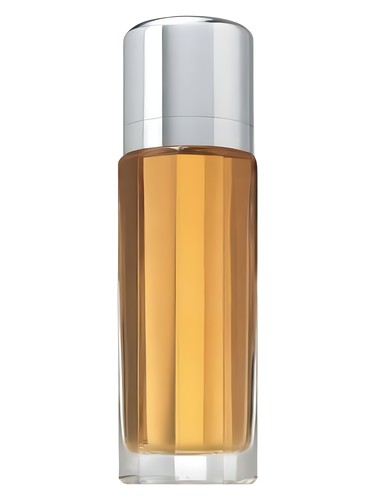
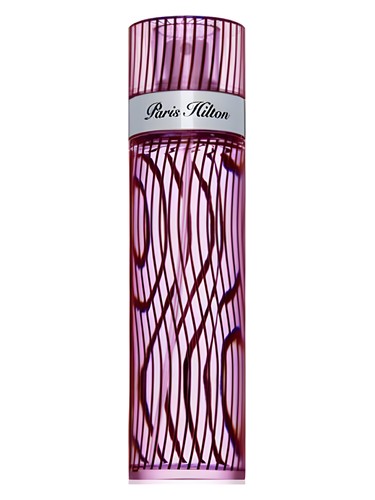
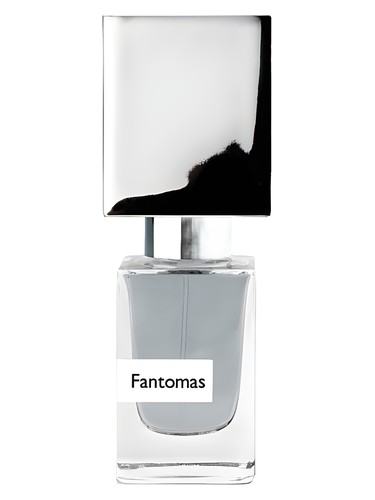
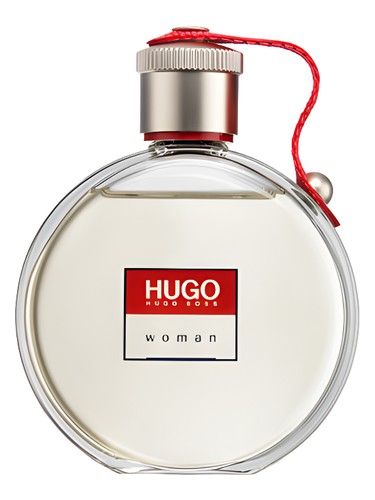
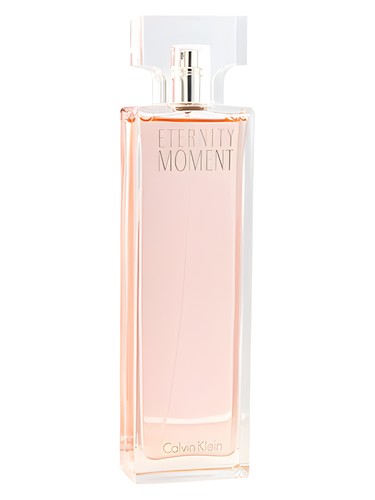
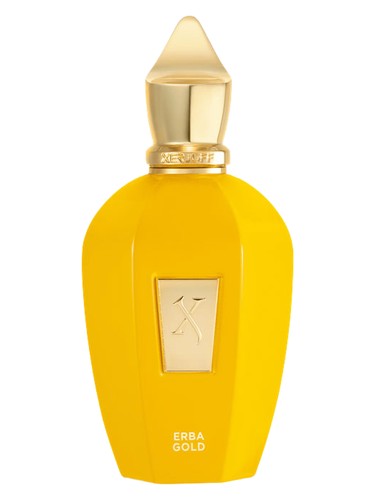
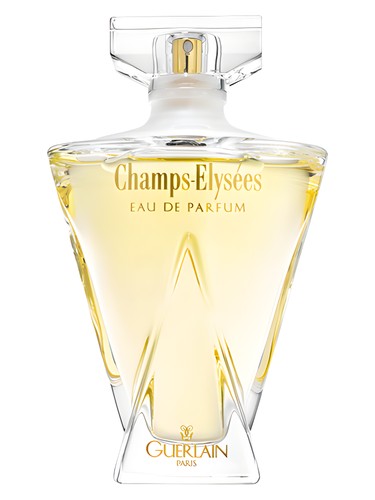
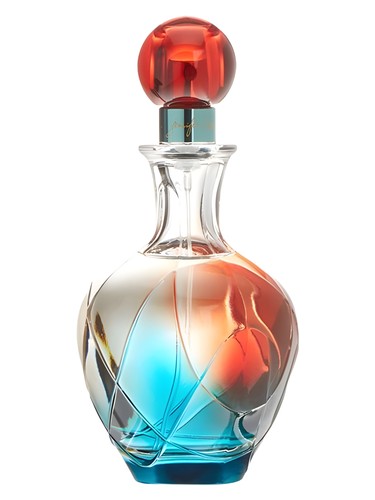
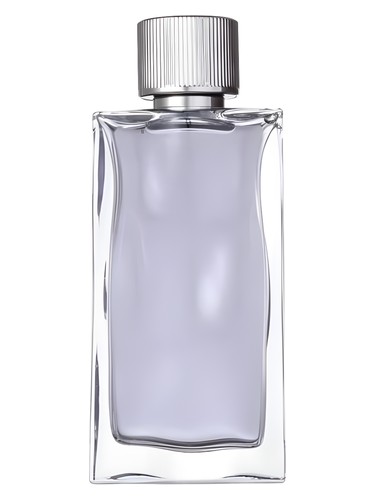
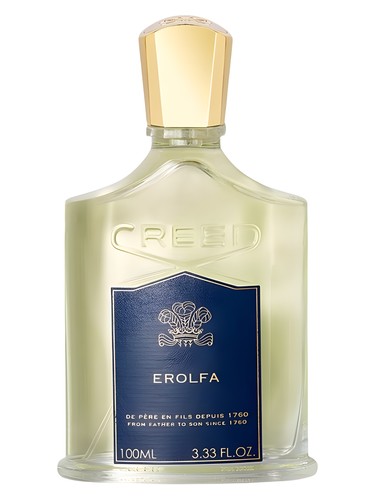
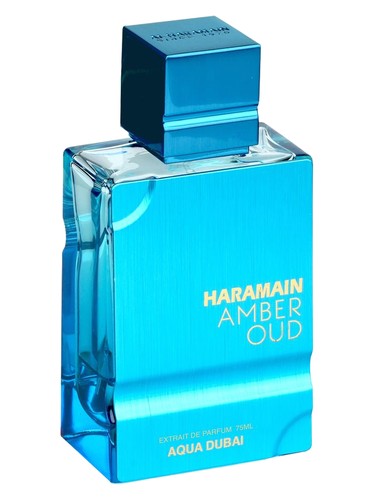
Well-known fragrances with Melon
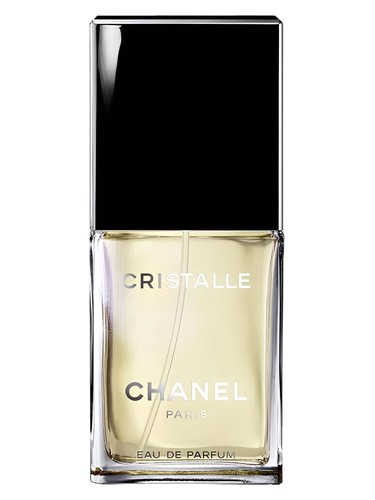
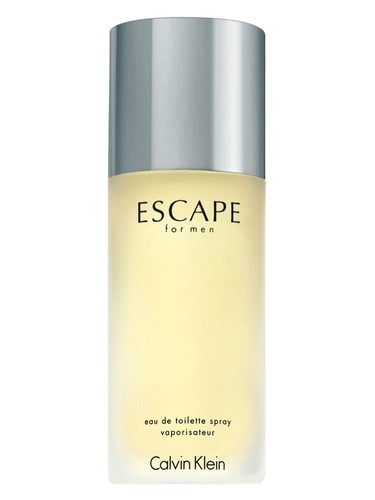
Fragrances that list it in their notes, most-rated first.
Houses that use it most
Ranked by how many of their well-known fragrances list Melon.