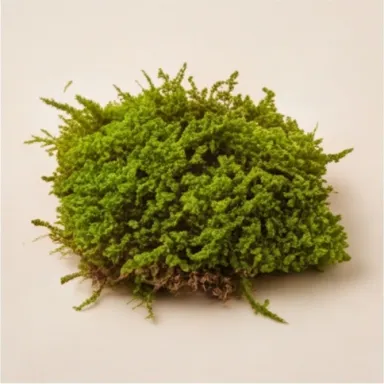
Moss
Damp forest floor, earthy tree bark, bitter green leaves and dry wood.
You may know it from Lichen growing on damp tree bark
Where it comes from
Usually oakmoss lichen extract, or a synthetic reconstruction because natural extract is restricted.
Worth knowing
Perfumery “moss” usually means oakmoss, a lichen rather than true moss.
About moss
A "moss" on an ingredient list is a label convention more than a single material. One fragrance glossary points out that a modern perfume's moss listing can describe that character without identifying what was used to create it. In practice the word covers oakmoss or treemoss extracts, or a reconstruction built to give the same impression.
Neither extract comes from a moss. True mosses are small non-vascular plants of the group Bryophyta, and lichens only resemble them. Oakmoss (Evernia prunastri) and treemoss are both lichens, symbiotic colonies unrelated to mosses. Treemoss is a separate species, which Fragrenza's blog gives as Pseudevernia furfuracea. It grows on the bark of pines and firs, where oakmoss grows on oaks. Oakmoss is commercially harvested in South-Central Europe and usually exported to the Grasse region of France; the same brand blog says treemoss is collected mainly in Morocco, Turkey and the Balkans.
The two are described differently. Fragrenza calls oakmoss green, marine and slightly metallic, and treemoss darker, more resinous and more consistently earthy. Perfume Shrine describes oakmoss as heavy at first and, once dry, reading as bark, seashore and foliage, with a wet forest floor effect when it is used with restraint. Supplier catalogues sort the commercial materials the same way: Firmenich's oakmoss is listed as woody and mossy with a marine seaweed facet, its treemoss as woody, mossy and resinous.
Regulation explains some of the synthetic alternatives. European regulation restricts oakmoss to 0.1% in perfume applied to the skin, and Fragrenza states that treemoss absolute faces similar scrutiny. Evernyl, also sold as Veramoss, is methyl 2,4-dihydroxy-3,6-dimethylbenzoate, a synthetic ester that occurs in trace amounts in oakmoss itself. Scentspiracy lists its odour as dry oakmoss, phenolic, earthy, woody and powdery, names Givaudan as the maker, and says it contains no atranol or chloroatranol.
Perfume Shrine observes that perfumes replacing oakmoss with patchouli and vetiver do not smell distinctly chypre the way the classic ones do.
Accords it shows up in
How many of the fragrances listing Moss in our catalogue also carry each accord. We counted this ourselves.
Often paired with
The notes that appear next to Moss most often in our catalogue.












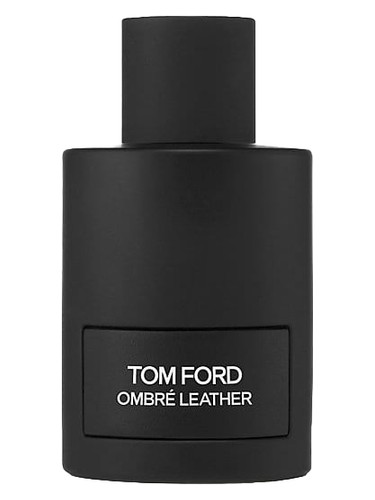
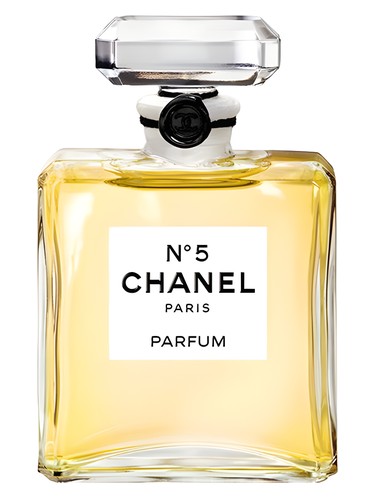
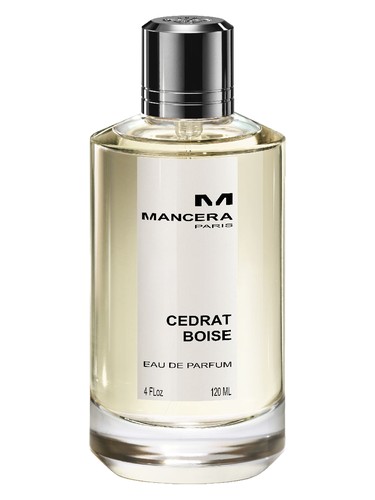
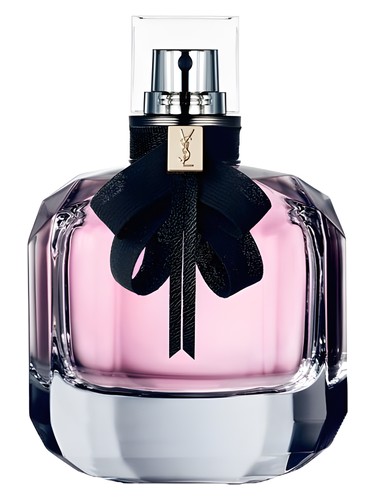
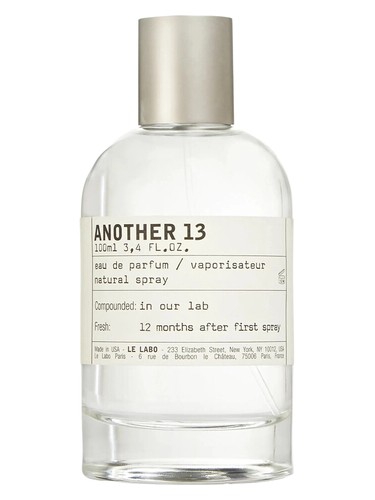
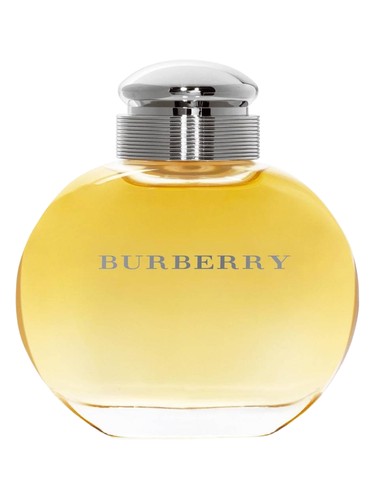
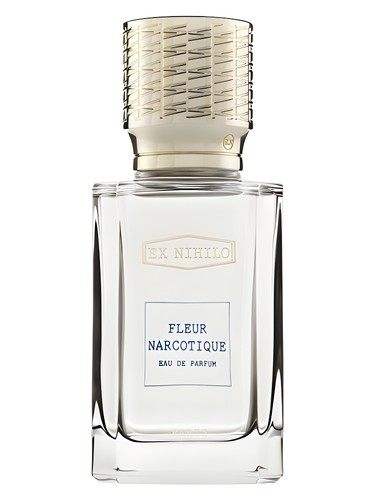
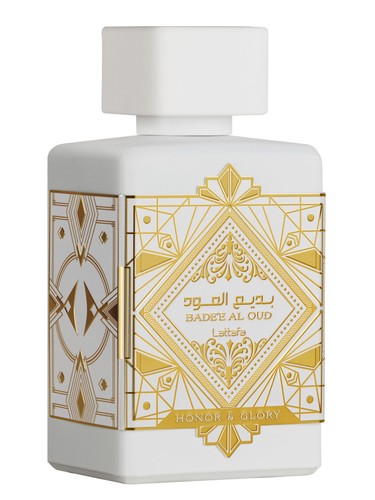
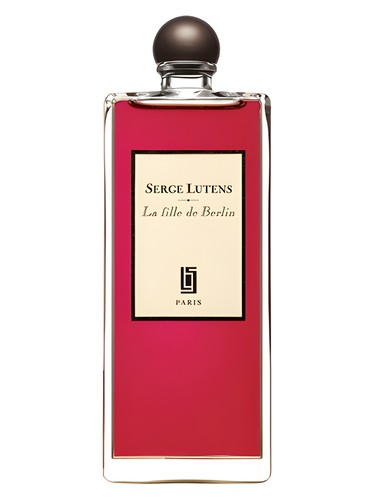
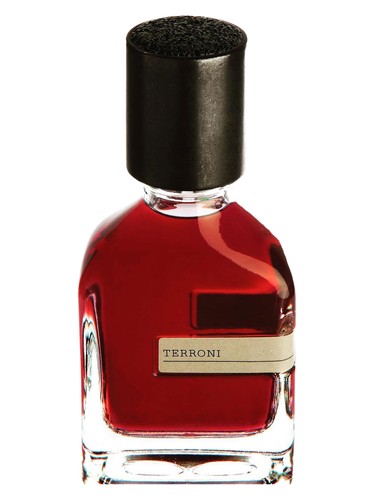
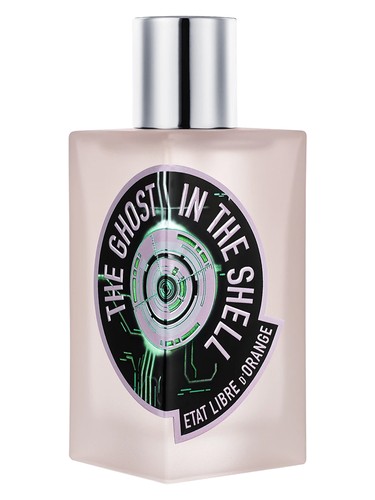
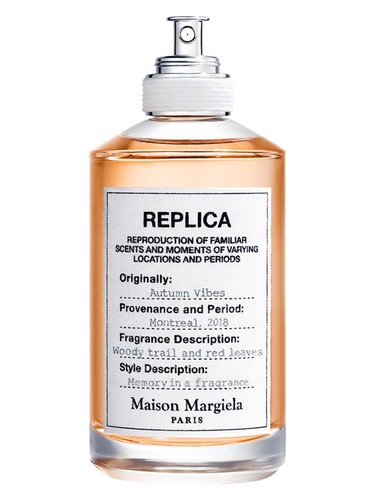
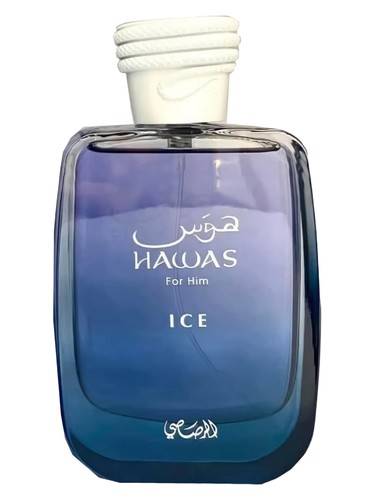
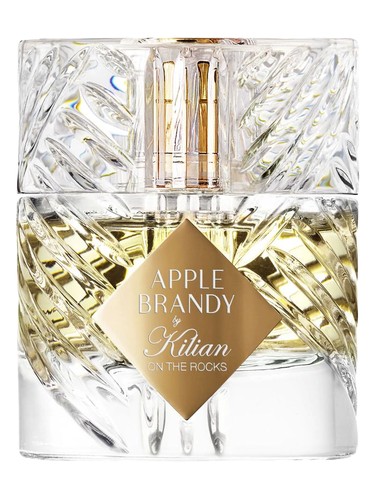
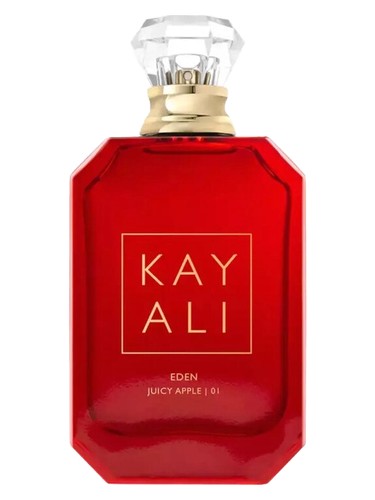
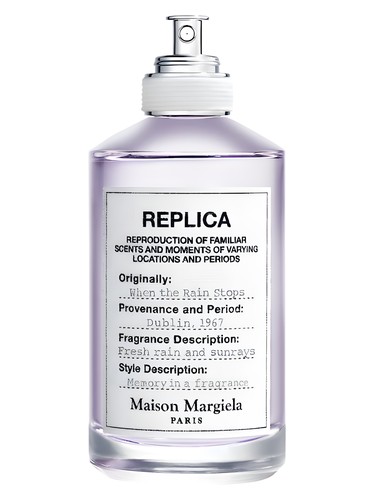
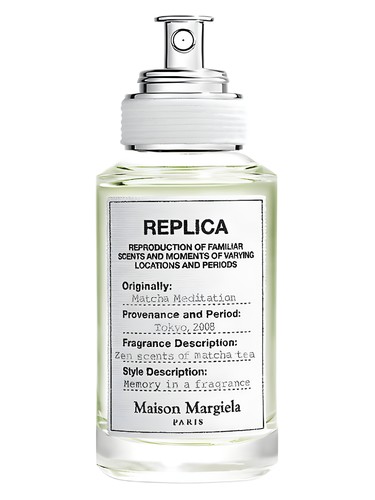
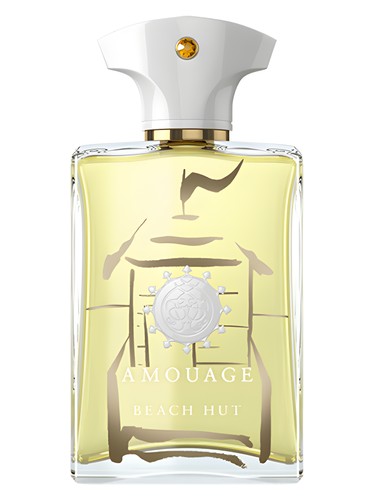
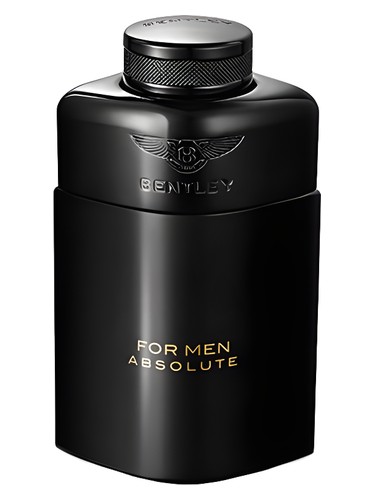
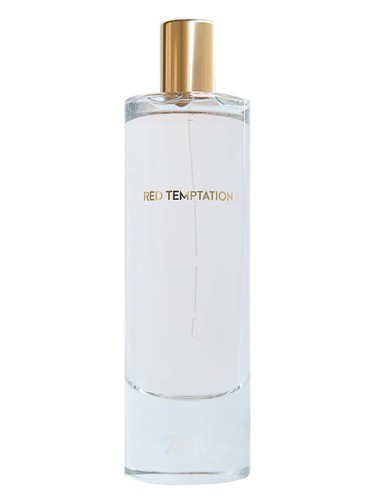
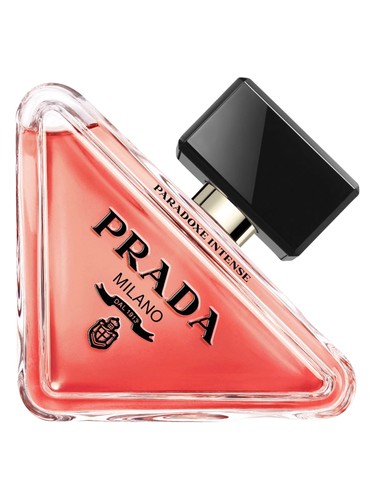
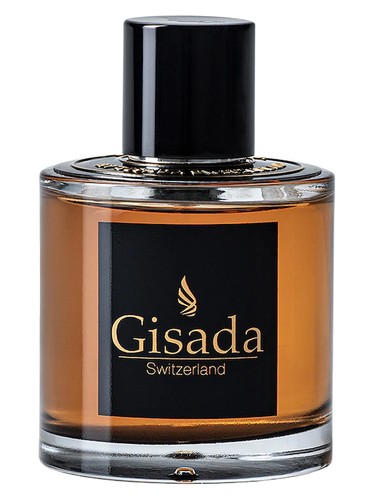
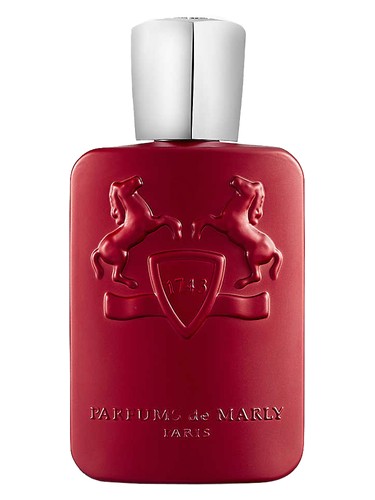
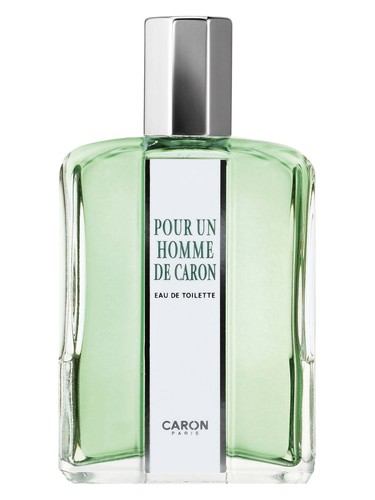
Well-known fragrances with Moss
Fragrances that list it in their notes, most-rated first.
Houses that use it most
Ranked by how many of their well-known fragrances list Moss.