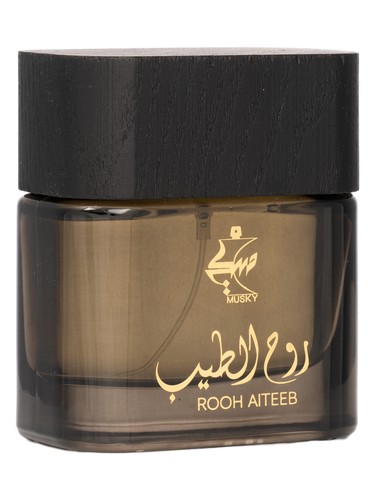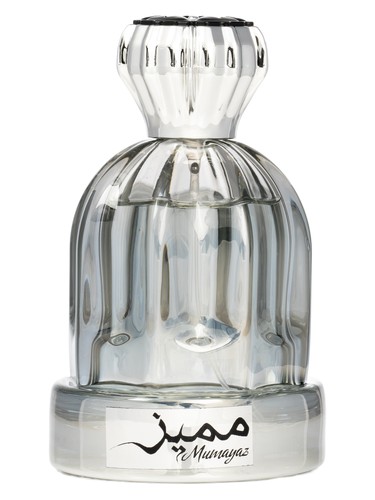
Mumayaz
Fragrance notes
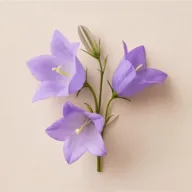

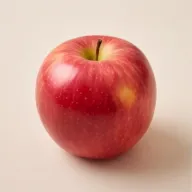
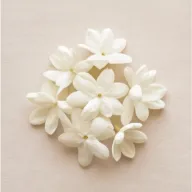

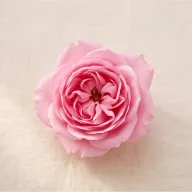


Mumayaz begins with a noticeable synthetic edge that some will find off-putting. The opening bellflower, lemon, and apple blend feels markedly artificial, lacking the natural brightness found in higher-end citrus compositions. This pronounced synthetic quality defines the early wear and may immediately alienate those who prioritize realistic fruit accords. However, this sharp introduction serves a purpose within the fragrance’s overall structure. The bright, somewhat plastic fruity top notes provide a stark contrast to the developing heart, where jasmine, bamboo, and rose introduce a softer, more traditional floral character. This transition from an aggressively modern, almost chemical brightness to a classic white floral and rose bouquet creates an interesting tension. The bamboo adds a green, slightly watery facet that prevents the jasmine and rose from becoming too heavy or cloying. As the scent progresses, the base notes of cedar, amber, and musk ground the composition. The cedar offers a dry, woody backbone, while the amber and musk contribute a powdery, warm finish that aligns with the fragrance’s musky and amber accords. This drydown is where Mumayaz finds its identity, moving away from the initial synthetic fruitiness toward a more subdued, woody-floral musk. It is a fragrance that requires patience from the wearer, as the reward comes after the challenging opening. The contrast between the sharp, fruity top and the powdery, woody base suggests a scent intended for those who enjoy dramatic shifts in character rather than a seamless, linear experience. It suits cooler weather where the amber and musk can fully develop without being overwhelmed by heat, offering a cozy, slightly retro floral-musk embrace that lingers after the initial synthetic burst fades into the background. The journey from an off-putting start to a pleasant, if simple, drydown is the core of its appeal for a specific type of wearer who values evolution over perfect harmony.
Smells similar
We matched these by the notes each one lists, giving more weight to the unusual ones they share. Sharing materials does not make one a copy of the other.