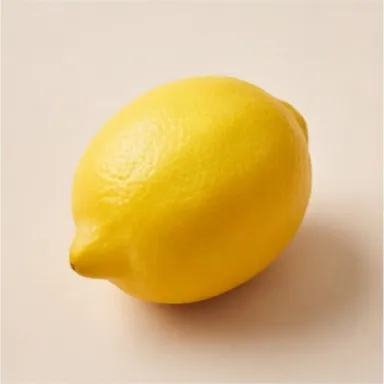
Lemon
Sharp, zesty lemon peel and freshly squeezed juice, bright and tart.
You may know it from freshly grated lemon zest
Where it comes from
Usually cold-pressed from the peel of lemon fruit.
Botanical name: Citrus × limon
Worth knowing
Its perfume scent comes mainly from peel oil, not sour lemon juice.
IFRA rules
IFRA restricts Lemon oil cold pressed to 2% in fine fragrance, citing phototoxicity.
From the IFRA Standards, 51st Amendment. A perfume that lists this note may use a synthetic version the Standard does not cover.
About lemon
The lemon is a hybrid of the citron and the bitter orange, and perfumery takes only its rind. The oil sits in small cells in the peel. A machine breaks them open, a water spray flushes the oil off, and the oil-water mixture is filtered and centrifuged. Yields are low. Two industry guides give roughly 0.5 to 1.5% oil by weight of fresh peel, while a peer-reviewed study of juice-industry by-products reports 0.4 to 0.6 mL per kilogram of fruit.
The oil is mostly d-limonene, which gives generic citrus brightness. Industry guides put it at 62 to 70%, and a lab study of Greek cold-pressed lemon oils found up to 56.5%, so the share varies by source. The sharp, recognisably lemon part comes from citral, a mix of neral and geranial that makes up only about 2 to 5% of the oil. Limonene also occurs in orange, grapefruit and lime peel.
Method changes the smell. Cold-pressed oil is pale yellow to greenish-yellow with a bright citrus scent. Steam-distilled oil is colourless to pale yellow and smells less bright, more cooked. Perfumers can also strip the terpenes out by fractional distillation or chromatography; this terpeneless oil is more concentrated in lemon aroma and more stable.
Stability is the weak point. Limonene is a light, volatile terpene that evaporates fast, so lemon works only as a top note, and one guide calls it a classic cologne ingredient, bright and fleeting. On the shelf, oxidation turns limonene into carvone and turpentine-like, piney off-notes. Lemon is among the least stable citrus oils, with a shelf life of about six to twelve months when stored properly.
Pressed lemon oil also carries furanocoumarins, which make it phototoxic on skin in sunlight. Distilled citrus oils contain virtually none, because these molecules are not volatile. IFRA rules cover this material. The Tisserand Institute cites a limit of 15 ppm bergapten for finished products on sun-exposed skin, and EU rules cap bronzing products at 1 ppm. For the fruit itself, the Siracusa lemon, a Femminello cultivar, received EU protected geographical indication status on 3 February 2011, and it is prized for its abundance of oil glands.
Accords it shows up in
How many of the fragrances listing Lemon in our catalogue also carry each accord. We counted this ourselves.
Often paired with
The notes that appear next to Lemon most often in our catalogue.












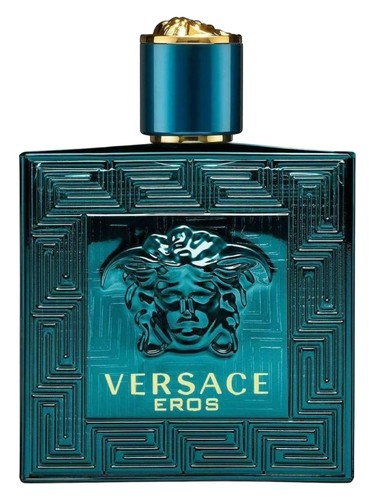
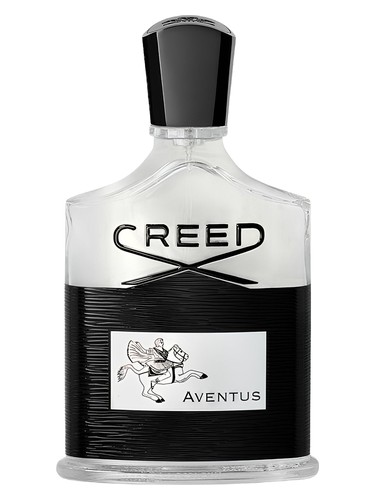
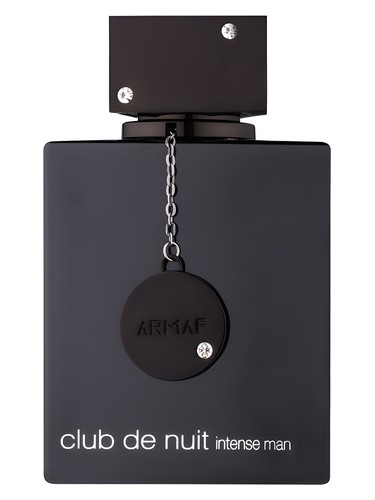
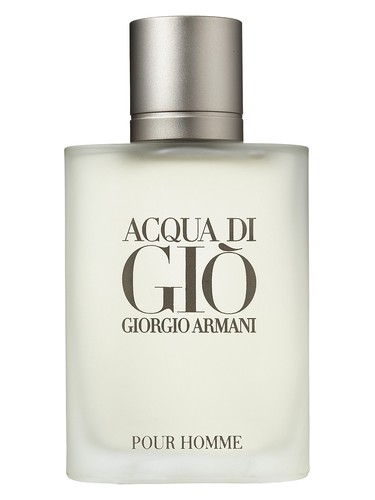
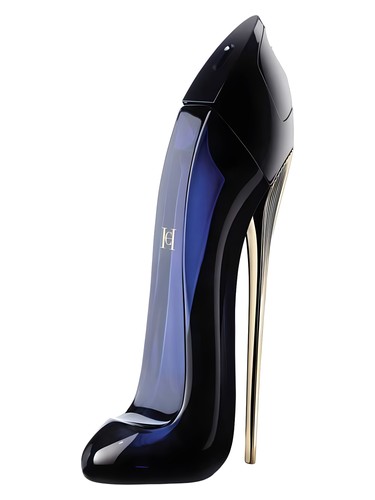
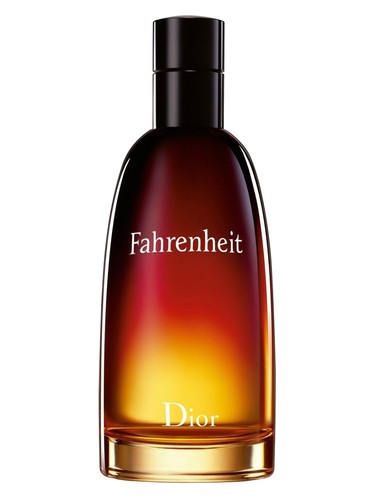
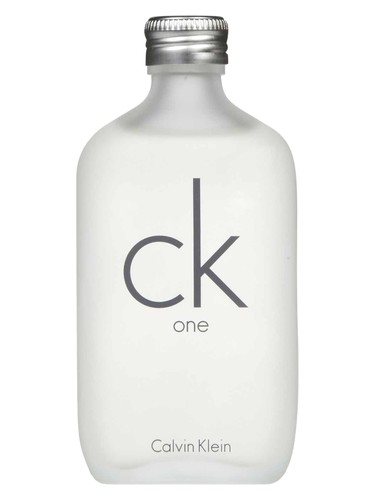
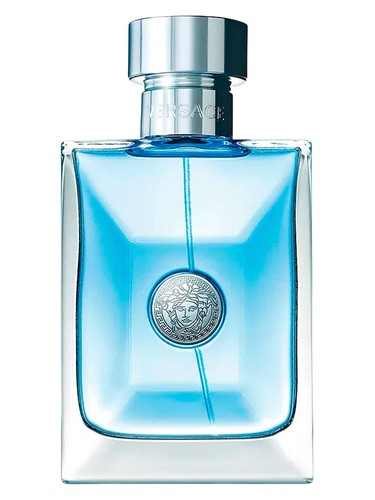
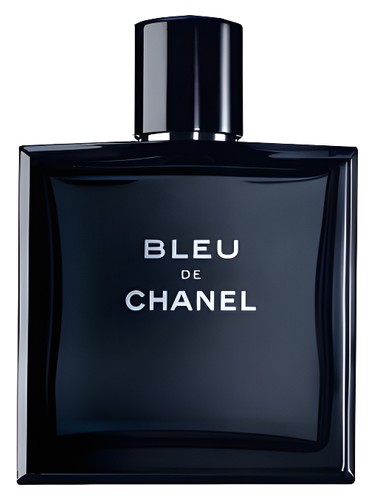
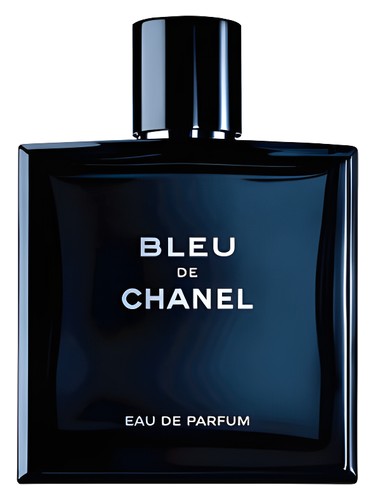
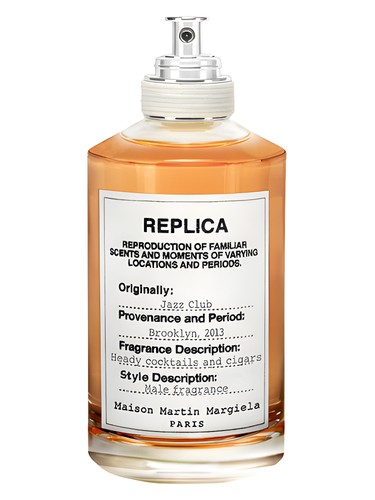
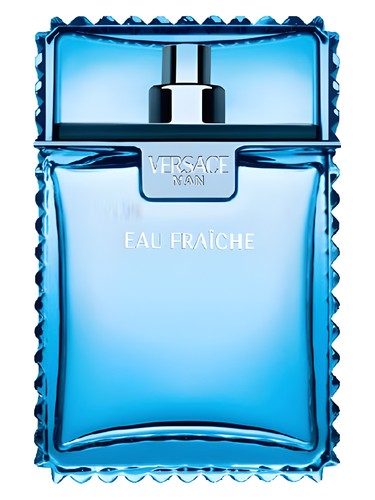
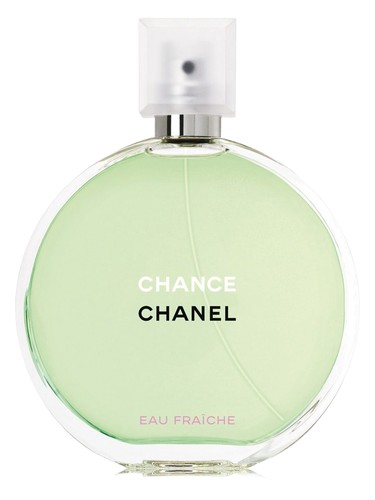
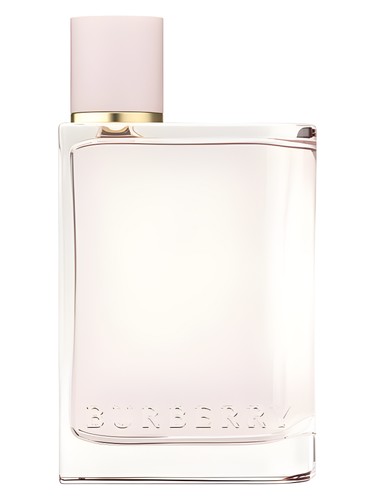
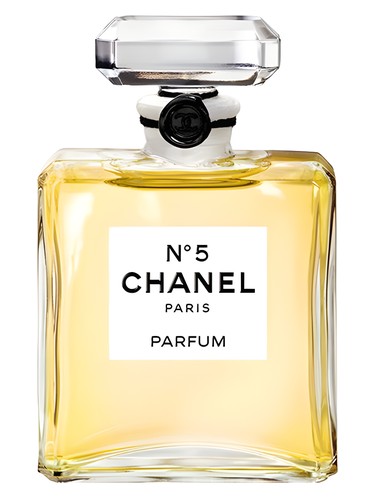
Well-known fragrances with Lemon
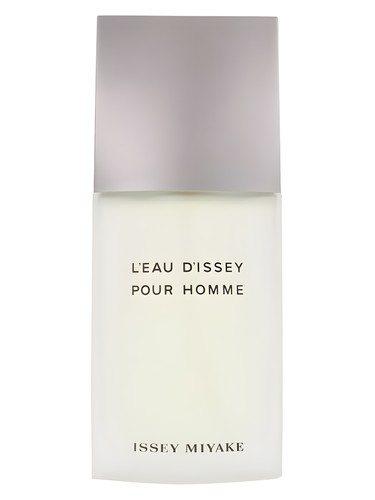
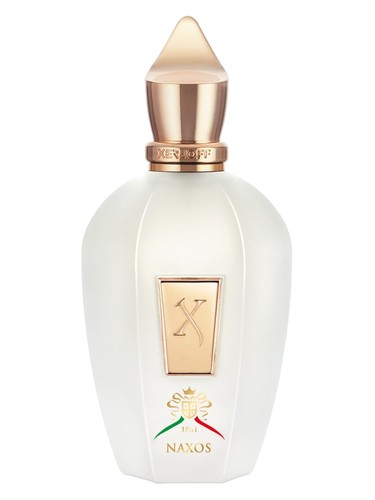
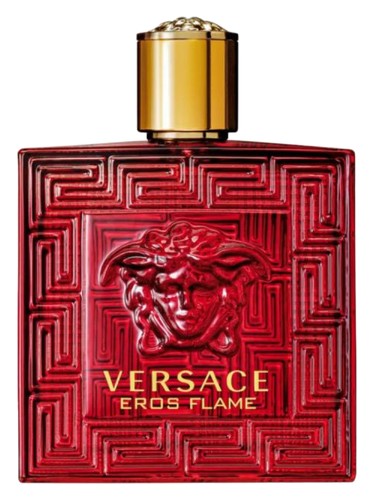
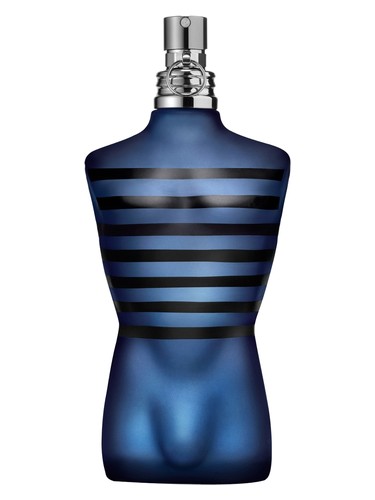
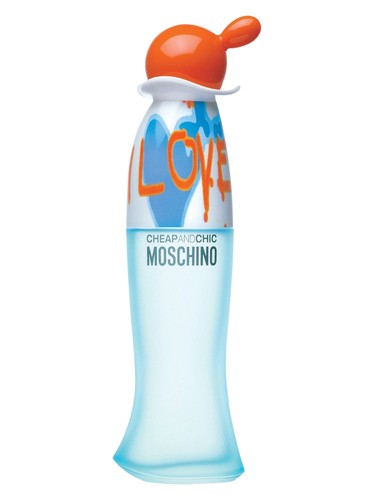
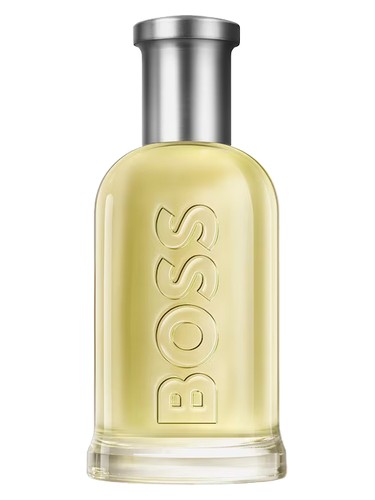
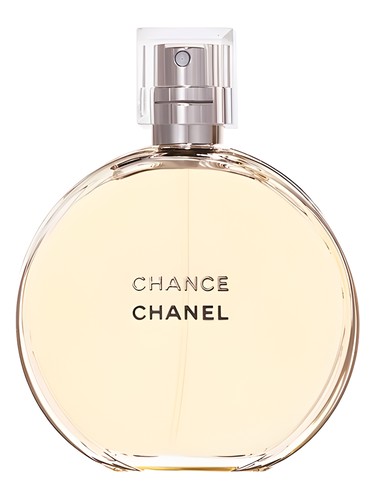
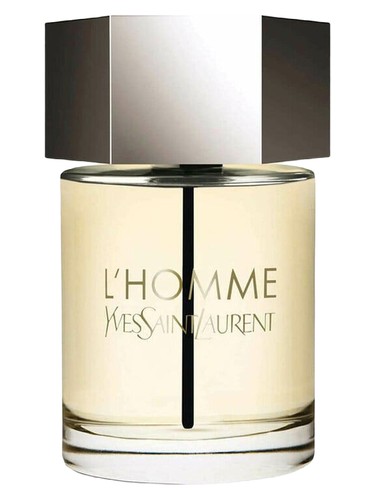
Fragrances that list it in their notes, most-rated first.
Houses that use it most
Ranked by how many of their well-known fragrances list Lemon.