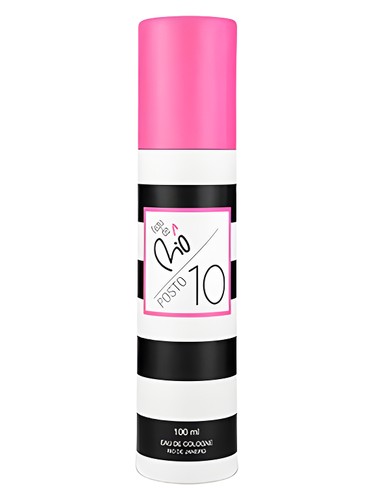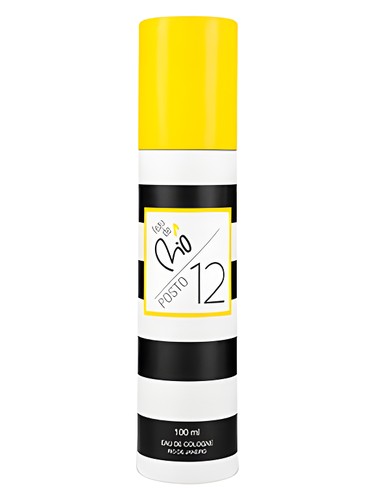
Posto 12
Fragrance notes



Character
Posto 12 is a fragrance built for the person who wants to smell like a bright morning by the ocean, not a formal event. The argument for wearing it rests on its unapologetic fruit profile. The combination of lemon and pineapple creates a juicy, sunlit opening that feels immediate and uplifting. This is not a subtle introduction. It announces itself with a tropical energy that captures the feeling of warm air and clear skies. The scent refuses to hide behind complexity, offering a straightforward burst of happiness that suits a relaxed, outdoor mindset perfectly.
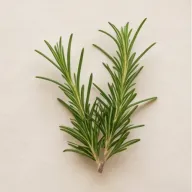
The heart of rosemary pulls the composition toward the herb garden, preventing the fruit from becoming a simple candy store imitation. This green, aromatic touch adds a savory contrast that keeps the fragrance grounded. It moves the scent from merely sweet into something that feels alive and growing. The woody accord sits underneath, providing a clean foundation that suggests driftwood or a warm boardwalk. It is a fresh, aromatic experience that prioritizes natural vibrancy over heavy sophistication, making it a reliable companion for moments of leisure.
However, the simplicity that makes Posto 12 so approachable is also where it meets its limit. The composition lacks a deep, evolving base that would give it serious weight or mystery. Once the initial citrus and rosemary settle, the woody notes do not offer much beyond a clean finish. It is a straightforward scent that does not try to be complex or layered. For those seeking a fragrance with a dark, shifting personality or a formal edge, this blend will feel too light and one-dimensional.
Smells similar
We matched these by the notes each one lists, giving more weight to the unusual ones they share. Sharing materials does not make one a copy of the other.