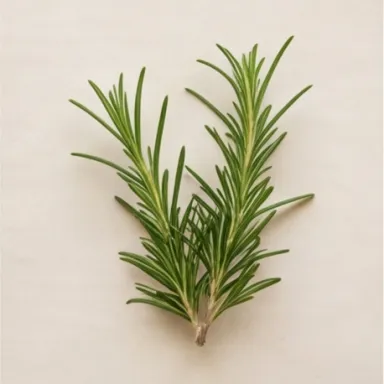
Rosemary
Sharp, green, camphor-like herbs with a dry, piney freshness.
You may know it from Fresh rosemary leaves in cooking
Where it comes from
Steam-distilled from the leaves and flowering tops of a Mediterranean herb.
Botanical name: Salvia rosmarinus
About rosemary
Linnaeus described rosemary in 1753 as Rosmarinus officinalis, and in 2017 molecular phylogenetic evidence moved it into the genus Salvia, so the current name is Salvia rosmarinus. The species is native to the Mediterranean region.
Perfumery works with the oil steam-distilled from the flowering tops and leaves, at a yield of roughly 1 to 2%. Tunisia, Morocco, Spain and France are named as the main producers, with Corsica listed for the verbenone type. Three chemotypes are commonly named: cineole, camphor and verbenone. One perfumery glossary calls the cineole type camphoraceous and the verbenone type sweeter and more herbal, and says the verbenone type is preferred for fine fragrance. A survey of 78 oils found groups dominated by cineole and by verbenone, among others. Camphor makes up 10 to 20% of the oil.
The same glossary describes the scent as bright and herbal-camphoraceous, with a pine-like freshness. The camphoraceous top fades first and leaves a warm herbal residue with woody undertones. In a composition rosemary works as a top-to-heart note, and aromatic, fougère and Mediterranean structures are where it turns up.
Its oldest perfume role is Hungary Water, which had rosemary as the main ingredient and is commonly held to be the first alcohol-based perfume in Europe. Some sources date it to 1370, though the exact date is lost. The oldest surviving recipes call for distilling fresh rosemary and thyme with brandy, and the story that Queen Elizabeth of Hungary ordered it is a legend. Until Eau de Cologne appeared in the 18th century, Hungary Water was the most popular fragrance and remedy in Europe. By the end of the 17th century Montpellier in France was one of the most famous places for making it.
In the seventeenth century rosemary was also used to fumigate houses against plague, which greatly raised its price. It reached the Americas with early European settlers at the start of that same century.
Accords it shows up in
How many of the fragrances listing Rosemary in our catalogue also carry each accord. We counted this ourselves.
Often paired with
The notes that appear next to Rosemary most often in our catalogue.










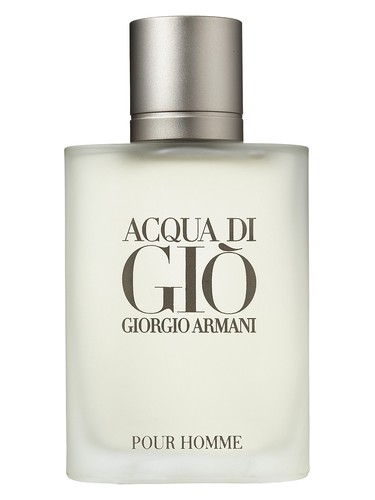
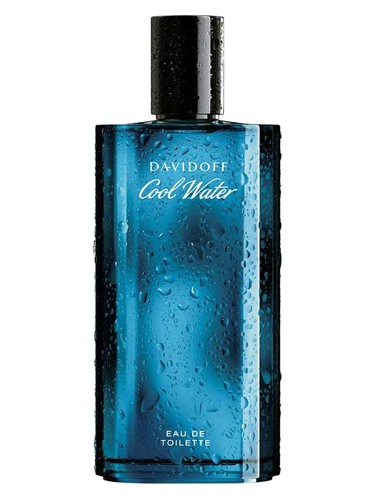
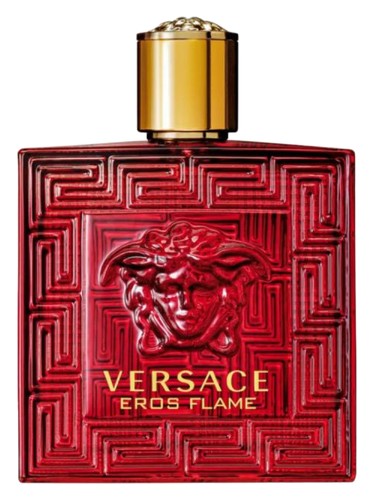
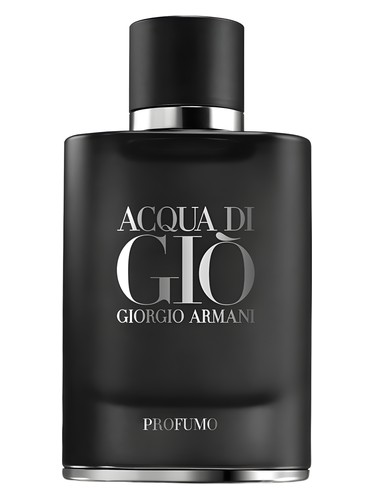
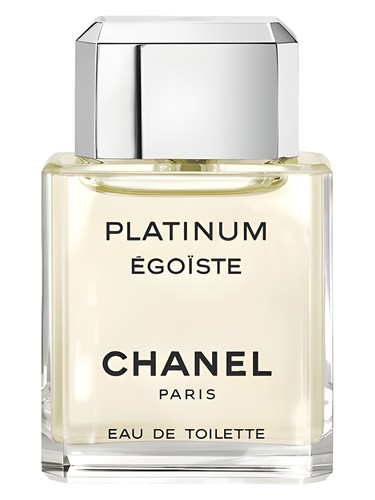
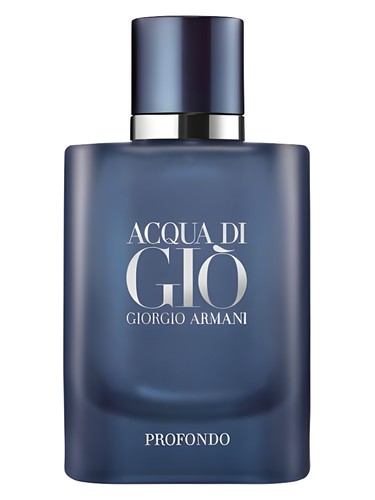
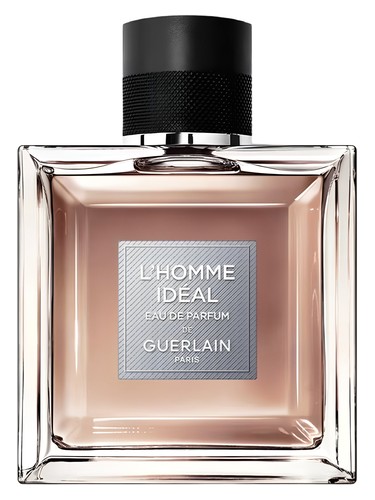
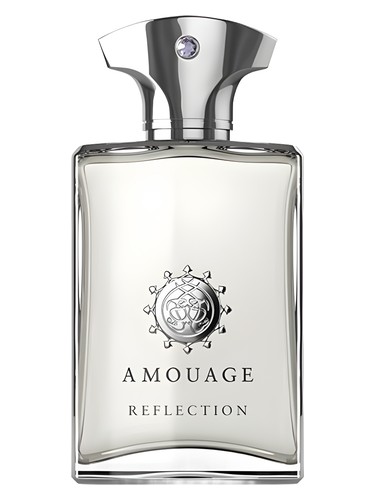
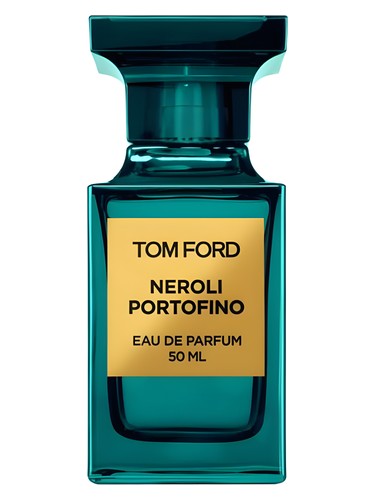
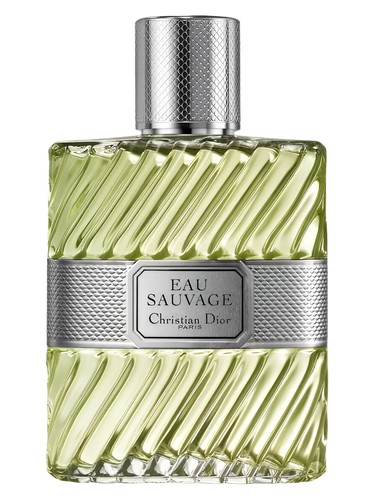
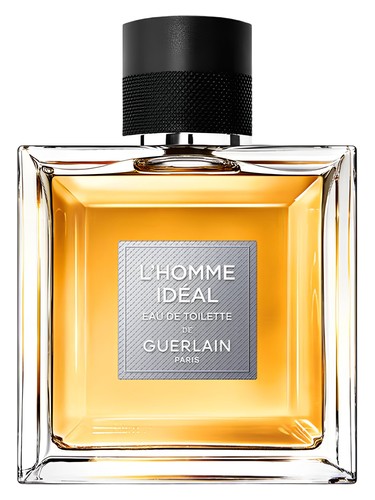
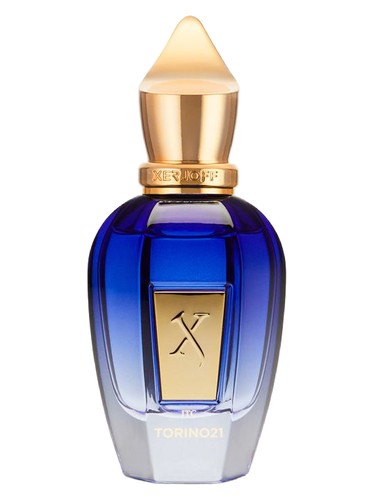
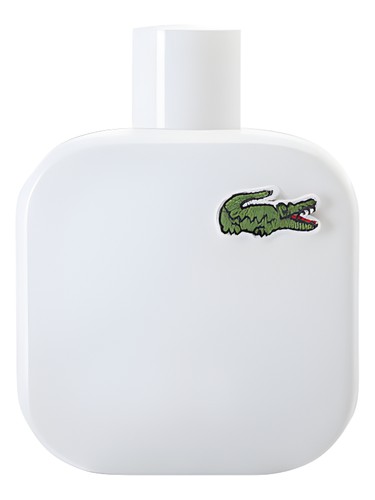
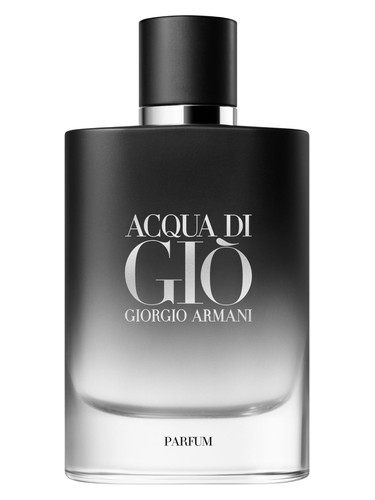
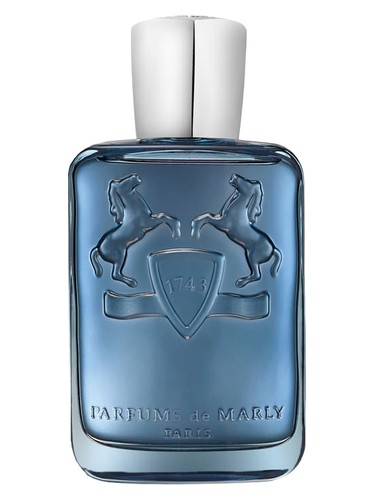
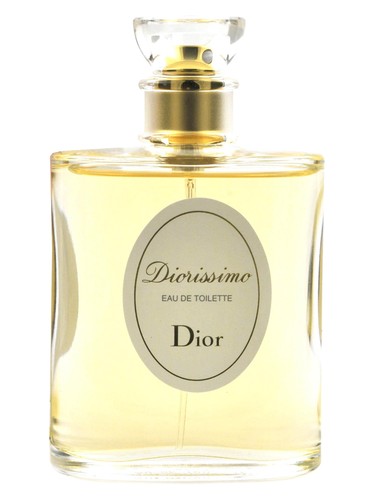
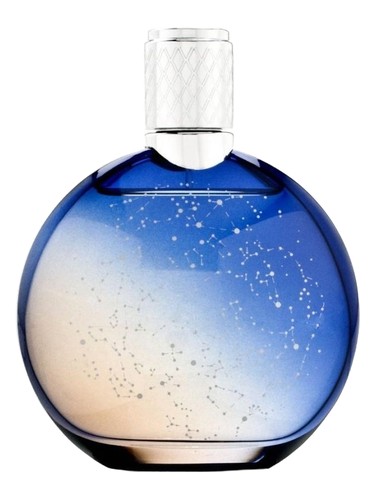
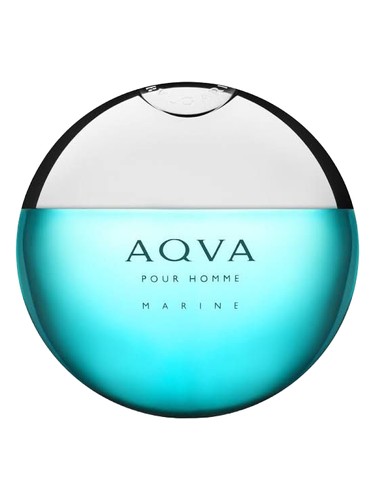
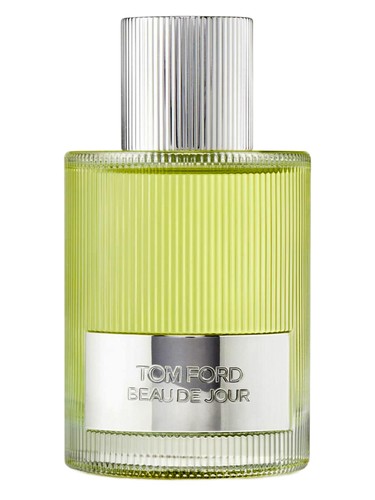
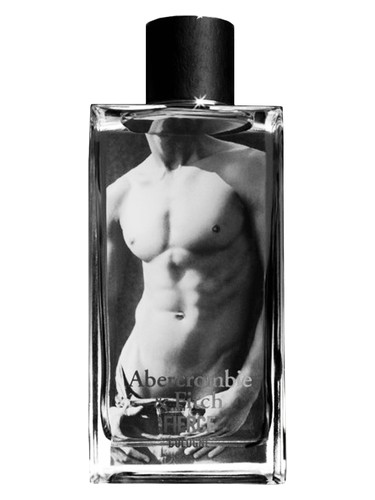
Well-known fragrances with Rosemary
Fragrances that list it in their notes, most-rated first.
Houses that use it most
Ranked by how many of their well-known fragrances list Rosemary.