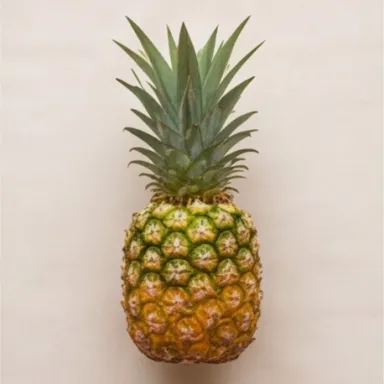
Pineapple
Juicy ripe pineapple, sweet-tart and tropical, sometimes with a bright candy-like edge.
You may know it from Fresh-cut pineapple
Where it comes from
Built from aroma chemicals; pineapple fruit is not a standard perfume extract.
Botanical name: Ananas comosus
Worth knowing
Usually an imitation of the fruit, not pineapple juice or extract.
About pineapple
A real pineapple is mostly esters. In a study of Smooth Cayenne fruit, they made up about 74% of aroma production, and ethyl 2-methylbutanoate had the highest odour activity value of any compound measured. The pulp carried roughly 1.7 times more aroma compounds than the core.
Perfumery rebuilds that smell from synthetic molecules, with ethyl butyrate and allyl hexanoate the usual starting points. Ethyl butyrate comes from reacting ethanol with butyric acid, and its odour is described with words like fruity, juicy fruit, pineapple, cognac and tutti frutti. It also occurs naturally in many fruits at lower concentrations. Scentspiracy says early synthetic pineapple formulas leaned on amyl and ethyl butyrate, sometimes above 50% of the blend, before compositions grew more complex.
Allyl hexanoate, also called allyl caproate, is made by esterifying hexanoic acid with allyl alcohol under sulfuric acid, then neutralising, washing and distilling the result. It is employed mainly in pineapple flavours. Scentspiracy describes the smell as sweet, fruity and juicy, with tropical and rum facets, and lists it in trace amounts, below 0.1% on that supplier page. Arctander documented it in his 1969 Perfume and Flavor Chemicals, and it gained commercial weight after the Second World War. Sources disagree about whether it exists in the fruit at all. One encyclopedia entry says it is found naturally in pineapples, while a flavour-industry writer argues it has not been reported there since a 1982 study that used heat, which can create esters.
Furaneol is partly responsible for the smell of fresh pineapple, and it reads as caramel when concentrated and as sweet strawberry when dilute. The Good Scents Company calls it an indispensable ingredient for strawberry, pineapple and exotic fruity accords.
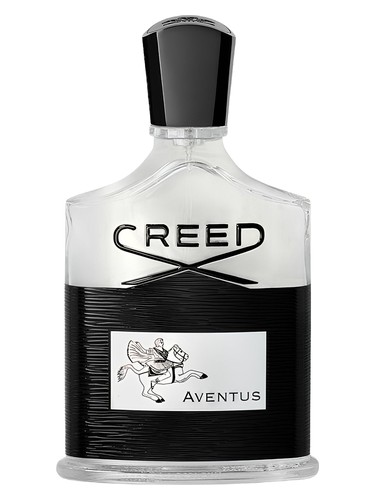
On skin, one note-profile site describes pineapple as a bright top note lasting around an hour, which may turn creamy or lactonic in the dry-down. Creed's Aventus, released in September 2010 and classed as a fruity chypre, lists pineapple among its notes. One blogger reviewing it in 2011 noticed the French apple more than the pineapple in the opening.
Accords it shows up in
How many of the fragrances listing Pineapple in our catalogue also carry each accord. We counted this ourselves.
Often paired with
The notes that appear next to Pineapple most often in our catalogue.











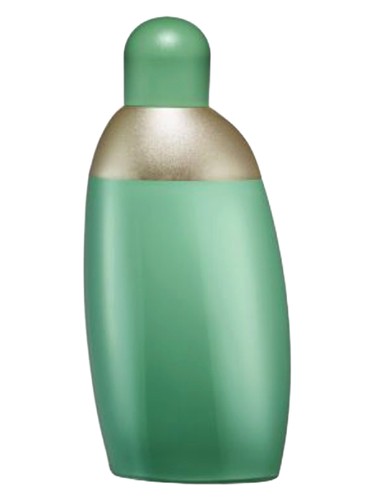
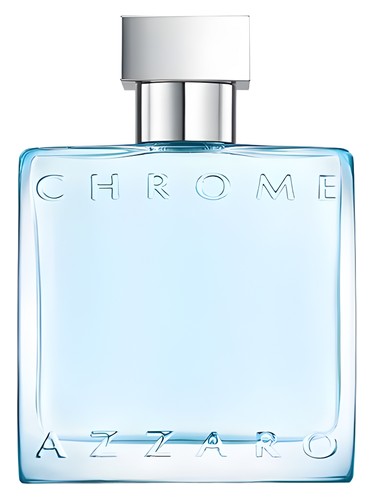
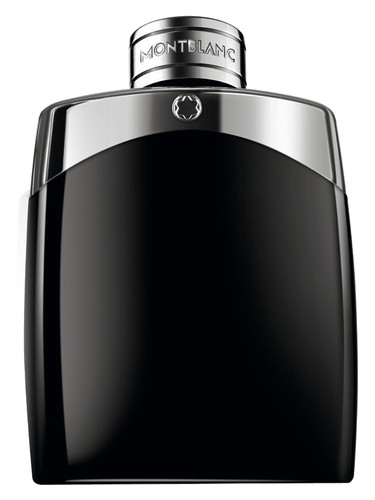
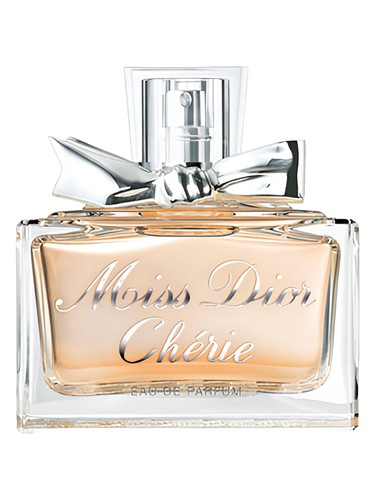
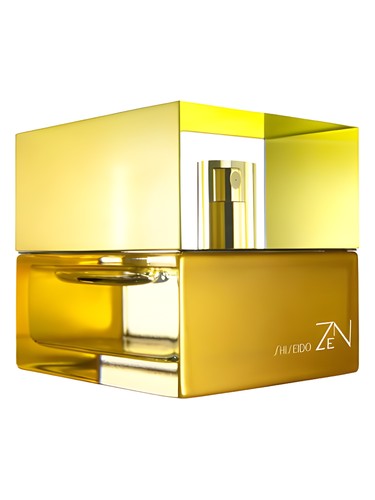
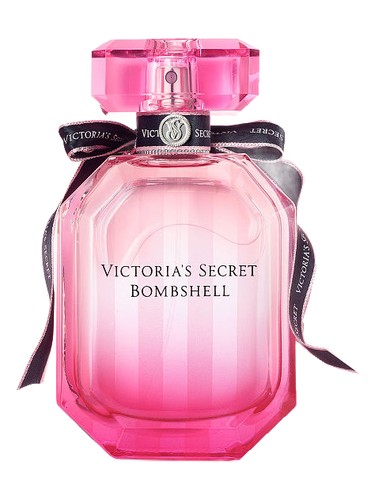
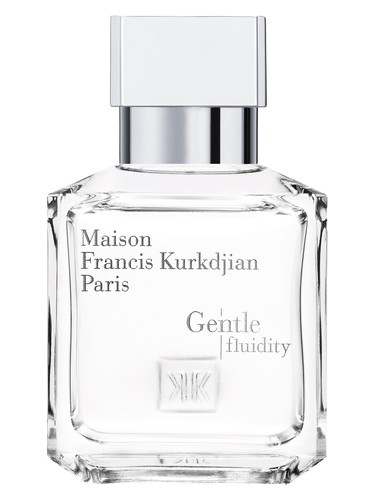
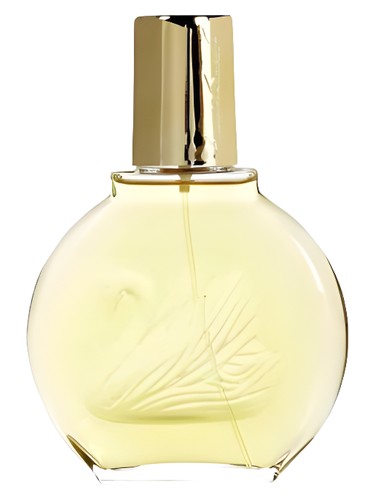
Well-known fragrances with Pineapple
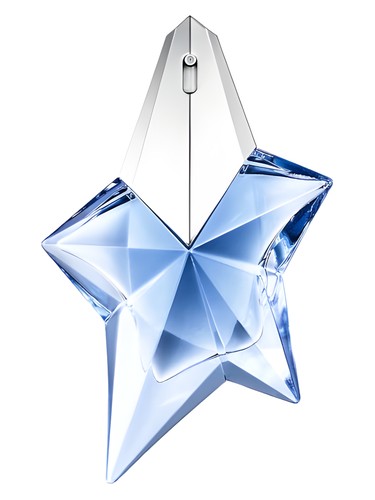
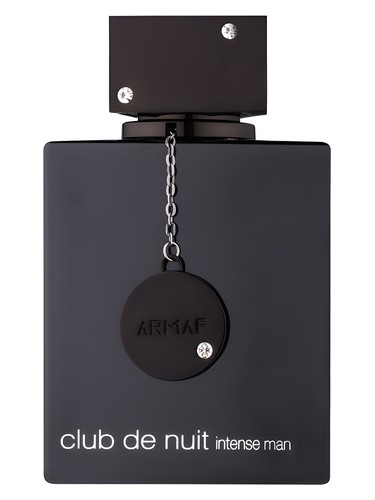
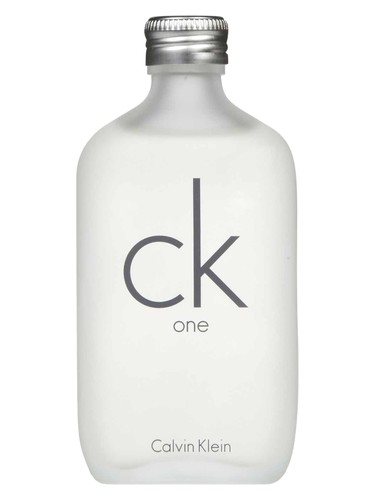
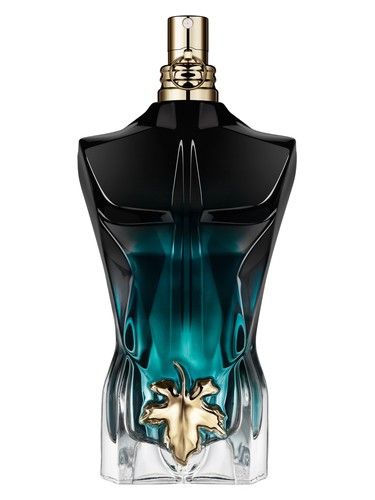
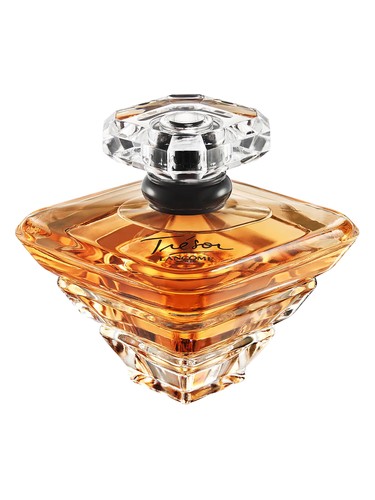
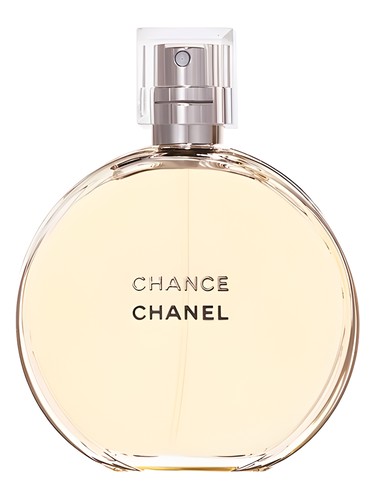
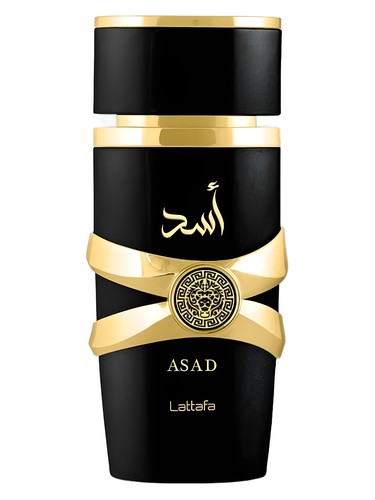
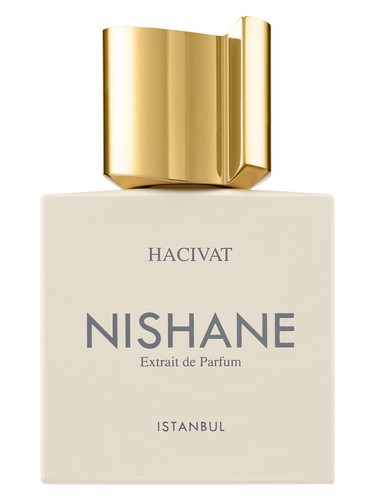
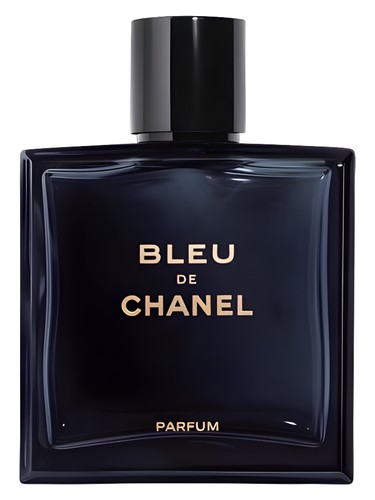
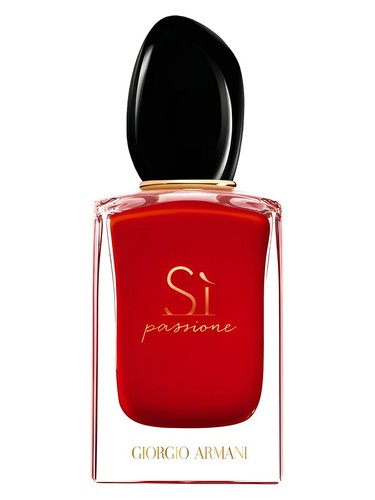
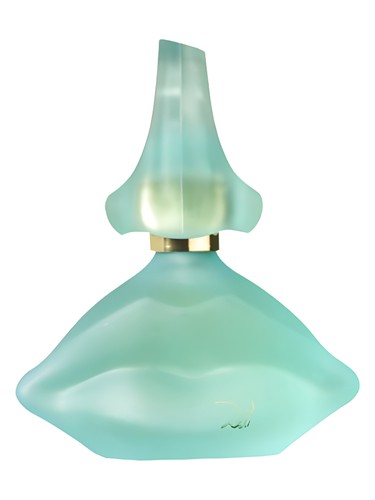
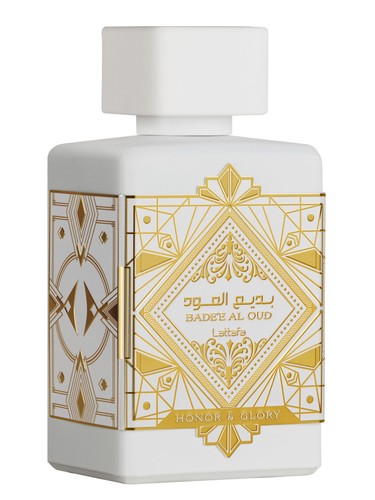
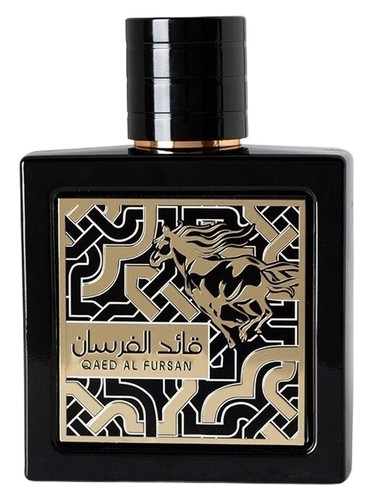
Fragrances that list it in their notes, most-rated first.
Houses that use it most
Ranked by how many of their well-known fragrances list Pineapple.