Roboris
Fragrance notes








Character
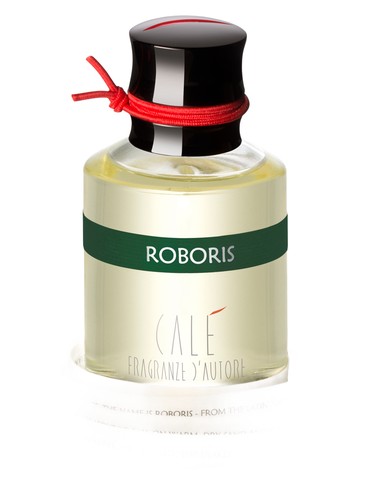
Roboris opens with a slap of rhubarb so tart it nearly makes your eyes water, but the violet leaf and wisteria soften that acidic jolt into something like dewy stems on a spring morning. The heart pulls a strange trick: cactus and jasmine together, a fleshy green spine wrapped in white petals. It smells almost alien, like the desert decided to have a brief, fragrant romance with a temperate garden. Then the base settles into a clean woody hum of vetiver and Virginia cedar, with tonka and amber adding just enough warmth to stop it from going fully sterile. This is a fragrance that walks a tightrope between the ozonic and the aromatic, and mostly stays upright.
Longevity and sillage hover around moderate, which is both a strength and a weakness. Roboris never demands attention, it invites you closer. I picture it as a cactus flower blooming inside a glass terrarium, visible but sealed off, beautiful but not quite reaching you. That shy performance makes it ideal for daytime wear in spring and summer, especially when you want something that refreshes rather than announces. But if you need a fragrance that bellows across a room, or something with the weight of a full oriental, look elsewhere.
Who is this for? The person who loves niche greenery that leans more natural than synthetic, who appreciates the oddness of cactus in a floral context. It suits a gardener, a museum curator, someone who values understatement. Skip it if you crave sweetness or heavy spice. Mark Buxton and Silvio Levi gave us a thoughtful, restrained piece of work, but restraint can feel like a whisper when you want a shout.
Smells similar
We matched these by the notes each one lists, giving more weight to the unusual ones they share. Sharing materials does not make one a copy of the other.