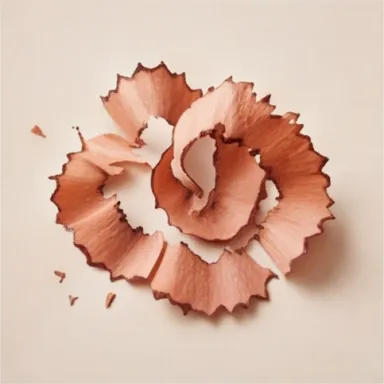
Virginia Cedar
Dry pencil shavings, fresh-cut wood, and a faint smoky, resinous warmth.
You may know it from A sharpened pencil
Where it comes from
Steam-distilled from the wood of Virginia cedar, actually a juniper.
Worth knowing
Despite its name, Virginia cedar is not a true cedar tree.
About virginia cedar
The tree behind this note is Juniperus virginiana, a dense, slow-growing evergreen that usually stands 5 to 20 m tall, with reddish-brown fibrous bark that peels in narrow strips. It grows across eastern North America, from southeastern Canada to the Gulf of Mexico, east of the Great Plains. The USDA Forest Service calls it the most widely distributed tree-sized conifer in the eastern US, found in every state east of the 100th meridian.
Its heartwood is fragrant, fine-grained, soft, very light and pinkish to brownish red. Native peoples used poles of it to mark agreed hunting territories, and French traders named Baton Rouge after those reddish poles. Later the wood went into cedar chests and closet linings. A pest-control source says the moth-proofing reputation is overstated: a new chest kills only small clothes-moth larvae, not larger larvae, eggs or pupae. It also cites one study suggesting that a chest more than three years old is practically useless against larvae.
The oil is steam-distilled from chips and sawdust of the heartwood. Yield depends on who measures it. ScenTree gives about 2.5%, while an Oregon State study found 3.18% from this species and about 3.5% from sawmill waste of older trees, which carry more heartwood relative to sapwood. That study also names the two species behind most US cedarwood oil, Juniperus ashei from Texas and Juniperus virginiana from the eastern states, which is where the split between Texas and Virginia oil comes from. It measured 4.04% oil from the Texas species.
Outside perfume bottles, the oil goes into soap perfumes, household sprays, floor polishes and insecticides, and microscopists have used it as a clearing oil. Its chemistry is reported differently depending on the source. Cedrol is given as about 15.8% in one place, 25% in another and about 35% in a supplier's glossary, so any single percentage should be read as one analysis rather than a fixed recipe.
In Europe, Regulation (EU) 2023/1545 added Juniperus virginiana oil to the fragrance allergen labelling list.
Accords it shows up in
How many of the fragrances listing Virginia Cedar in our catalogue also carry each accord. We counted this ourselves.
Often paired with
The notes that appear next to Virginia Cedar most often in our catalogue.











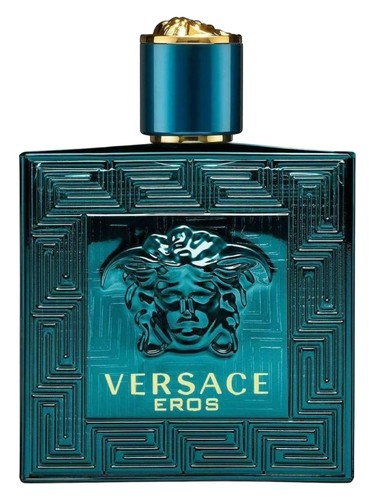
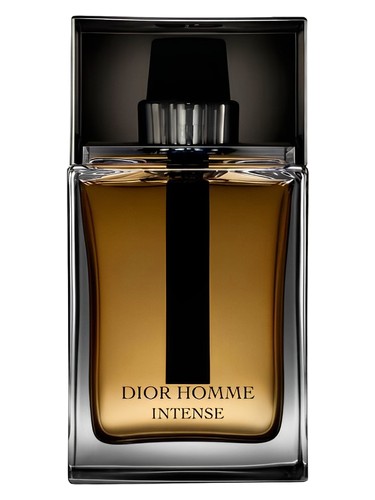
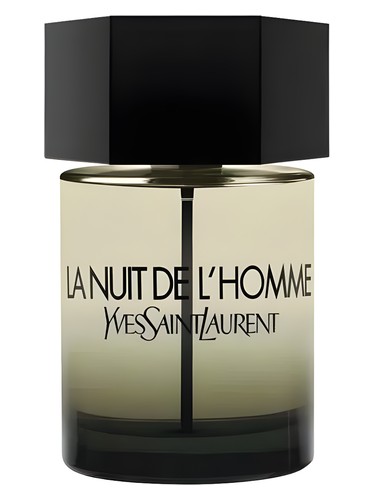
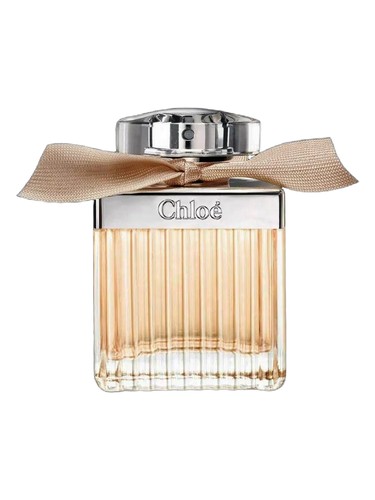
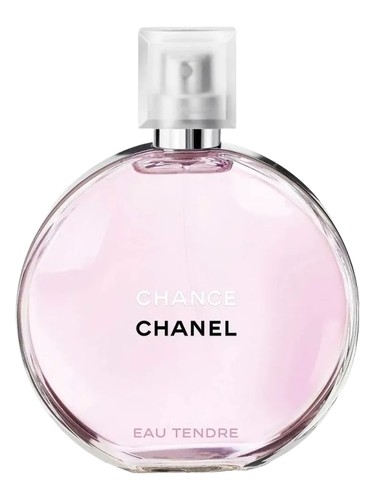
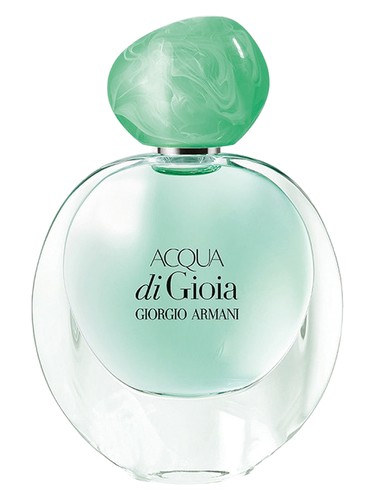
Well-known fragrances with Virginia Cedar
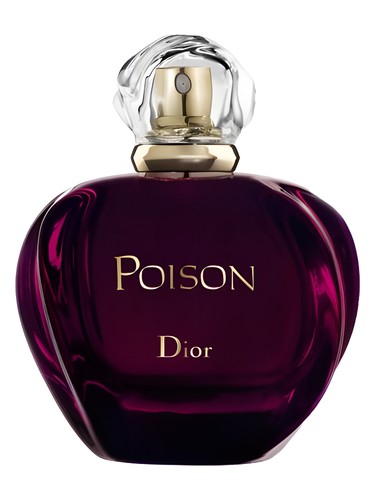
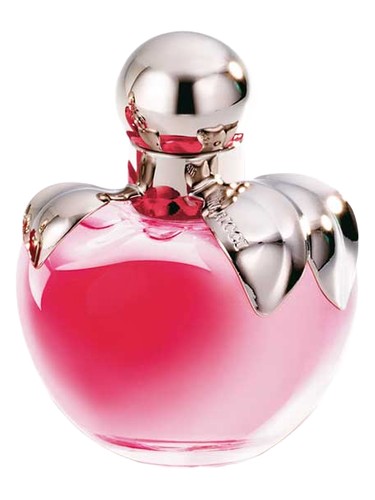
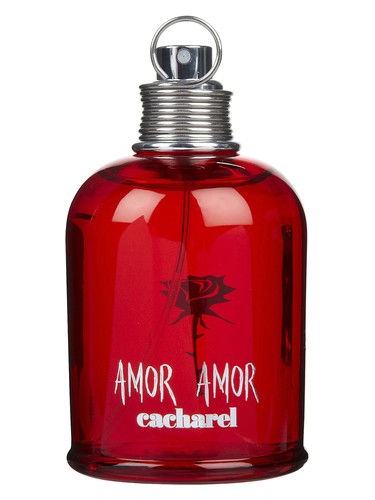
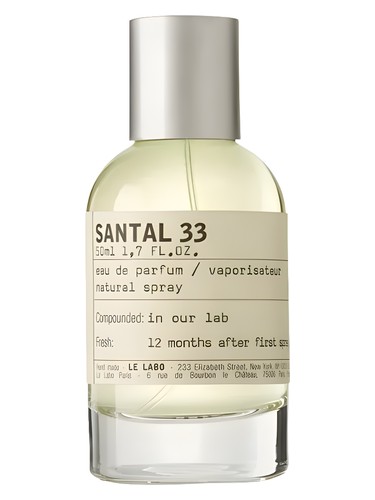
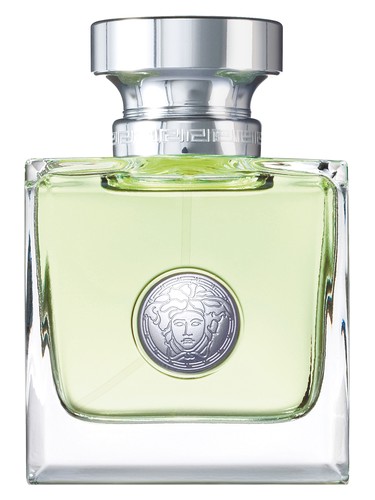
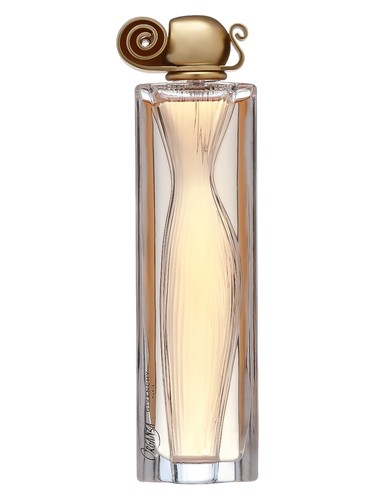
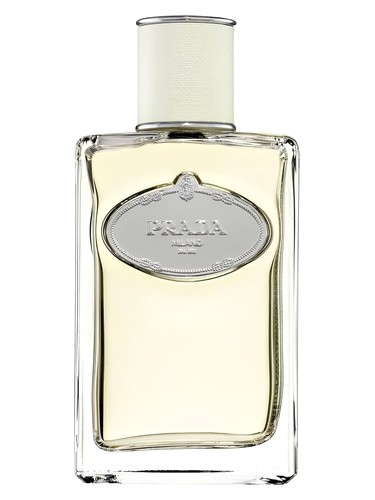
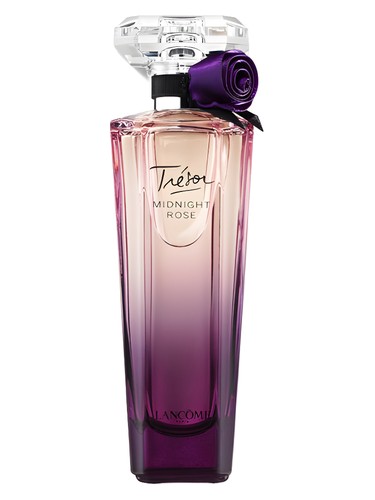
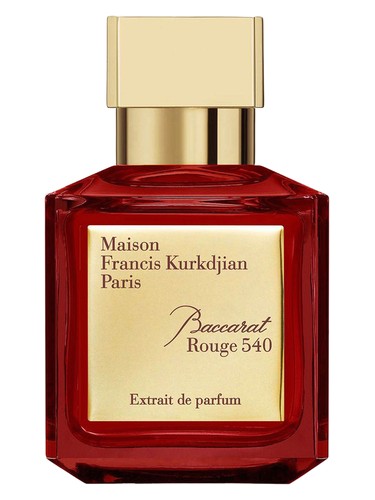
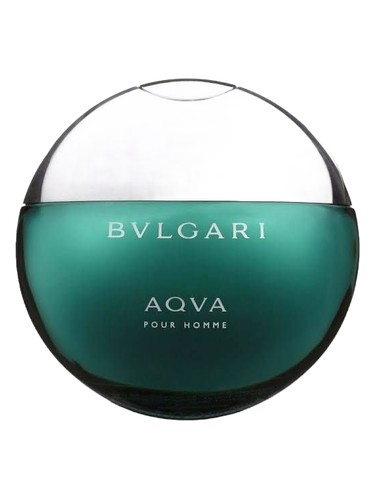
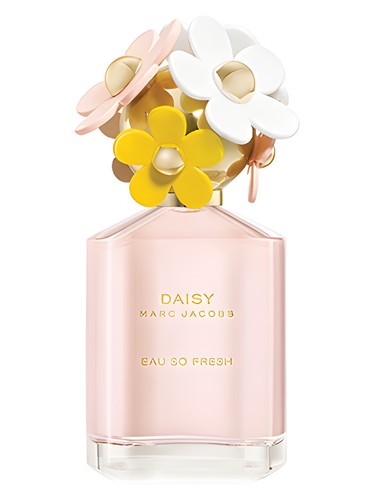
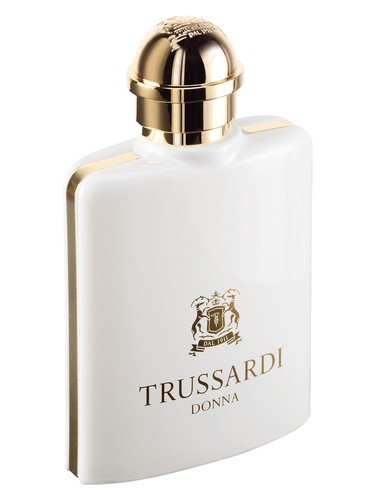
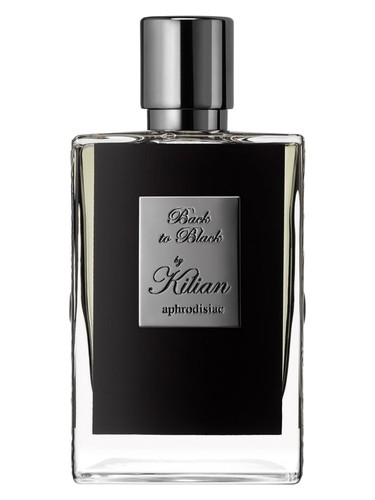
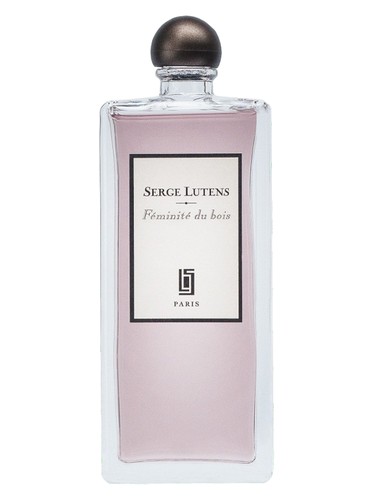
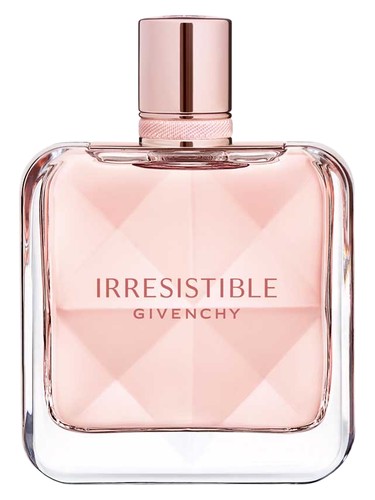
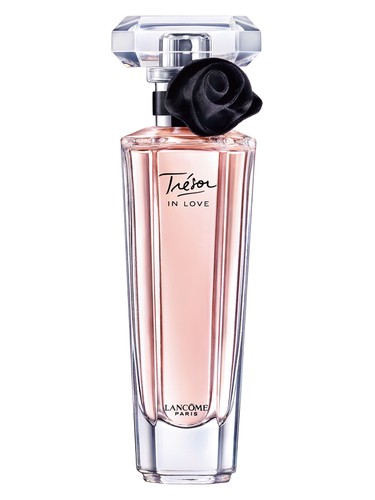
Fragrances that list it in their notes, most-rated first.

Houses that use it most
Ranked by how many of their well-known fragrances list Virginia Cedar.