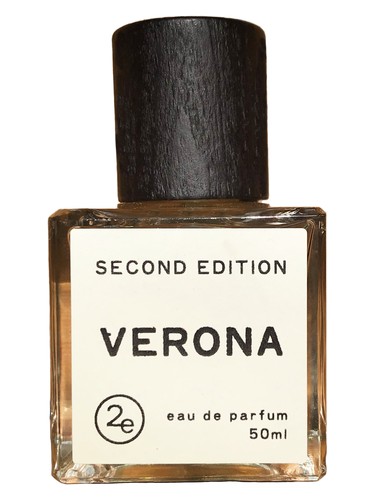
Verona
Fragrance notes



Character
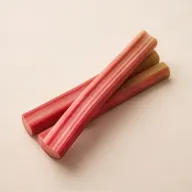
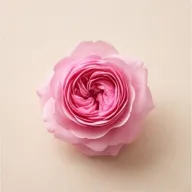
Morning sun hits the stone balconies of a narrow Verona street, and the air tastes sharp before it turns sweet. Someone peels a blood orange on a wrought-iron table, its bright acidic spray mixing with the tart crunch of raw rhubarb and the dark, juicy stain of black currant. This is not a tidy kitchen fruit bowl. It smells like fruit that still carries the garden’s chill, the skin still dusted with early dew. A single Turkish rose bush climbs the terracotta wall nearby, lending a clean, dewy petal softness that does not overpower the fruit but simply stands beside it. The flower is present, yet it never fully opens into a heavy bloom. It remains restrained, a pale blush against the vivid green and citrus.
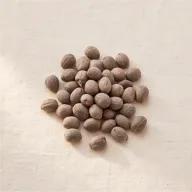
As the scene settles, the background turns quietly creamy. Sandalwood and ambrette wrap the sharper edges in a gentle, musky haze that feels like clean linen drying in the shade. The accord is undeniably pretty, a pastel watercolor of fruity, woody, and powdery nuances that smell expensive and clean. Yet the composition never quite deepens. It stays firmly in that bright, safe middle ground, never developing the dark, resinous weight or the intriguing complexity that would make it truly memorable. It is a fragrance that pleases instantly but fades from memory the moment you leave the room.
Smells similar
We matched these by the notes each one lists, giving more weight to the unusual ones they share. Sharing materials does not make one a copy of the other.