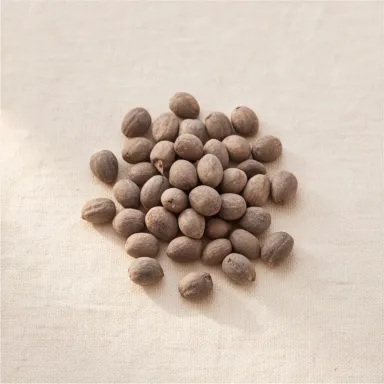
Ambrette
Soft, sweet, slightly fruity musk with a warm, skin-like warmth.
You may know it from the scent of musky perfume on warm skin
Where it comes from
Steam-distilled from the seeds of Abelmoschus moschatus, a tropical hibiscus relative.
Botanical name: Abelmoschus moschatus
Worth knowing
Despite its musky smell, it comes from seeds, not animals.
About ambrette
Ambrette is Abelmoschus moschatus, an evergreen shrub of the mallow family grown in India, China, the West Indies and Indonesia. Perfumery uses its seeds, which have a sweet, flowery, heavy fragrance similar to musk. Traditional medicine used the same seeds against headaches, cramps and nervous complaints.
The seeds are steam-distilled, and the yield of essential oil is a fraction of a percent, with sources quoting slightly different ranges. They also hold 13 to 15 g of fatty oil per 100 g. Freshly distilled oil is aged for months. The fatty notes fade, and a sweet floral musk with a wine- or brandy-like edge develops. Crushed, distilled seeds give a waxy butter, which is refined into the absolute; L'Atelier Parfum's journal says several kilos of seed are needed for a few dozen grams of absolute. The Good Scents Company lists a separate CO2 extract that reads more animalic and leathery than the distilled oil.
Givaudan and Robertet both point out that ambrette is one of the few natural materials containing a musk molecule, ambrettolide. One GC-MS study of the seed oil found 35 compounds, led by farnesol acetate at 51.45% and ambrettolide at 12.96%, though other sources give quite different shares. Farnesol and its esters supply the green, floral side. Musk ambrette is a separate synthetic compound with a similar name, and IFRA recommended against using it in perfumes and cosmetics from October 1985. Givaudan describes its absolute as opening earthy and nutty over silky fruit, then drying to a powdery, orris-like floral.
Volumes are small. PROSEA reported under 1000 kg of seed oil produced a year, from areas that include India, Colombia, Ecuador and Martinique. Robertet has run a traceable supply chain in El Salvador since 2015, where farmers grow ambrette beside corn. Seed oil was once a common plant-based substitute for animal musk, and synthetic musks have mostly replaced it because of the cost. Published prices for the natural material vary widely from source to source.
Accords it shows up in
How many of the fragrances listing Ambrette in our catalogue also carry each accord. We counted this ourselves.
Often paired with
The notes that appear next to Ambrette most often in our catalogue.










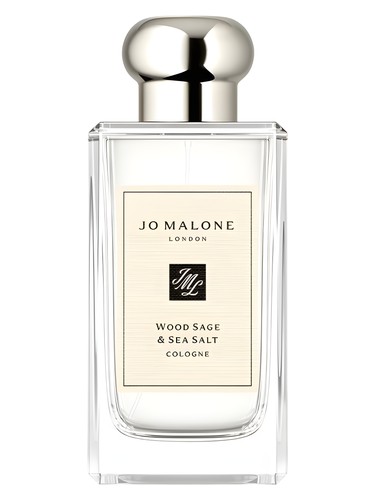
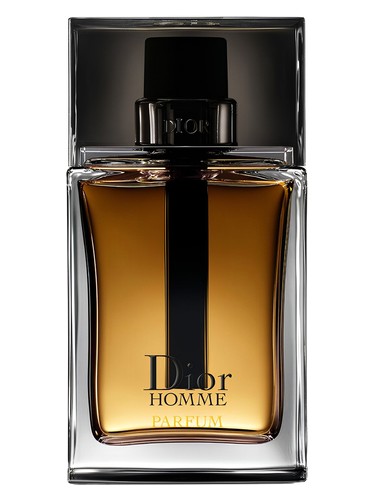
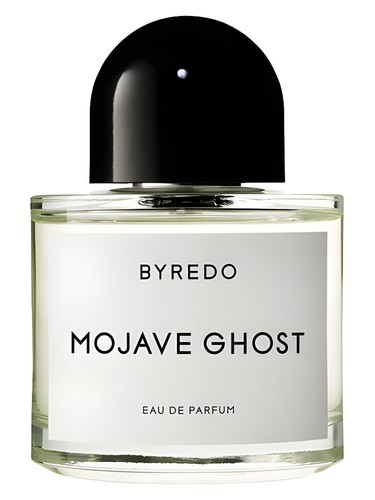
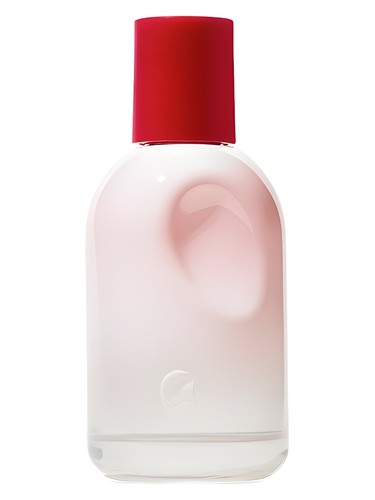
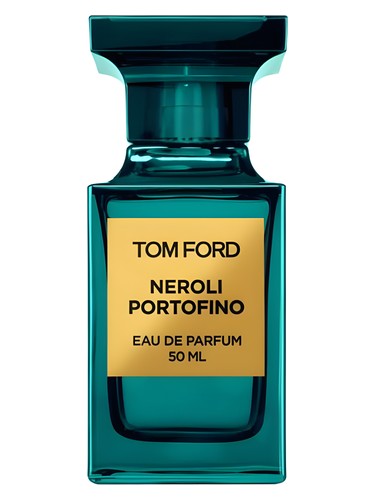
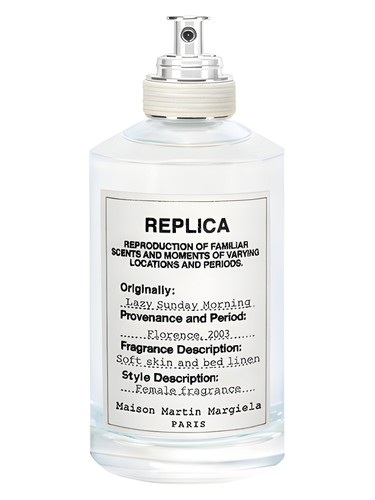
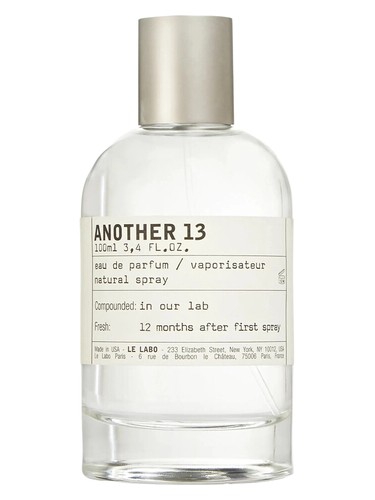
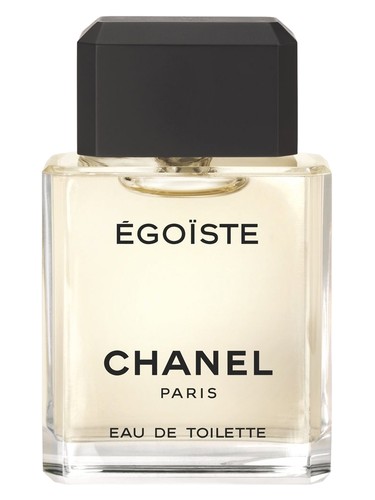
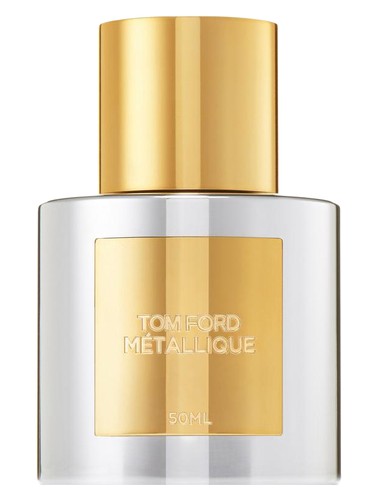
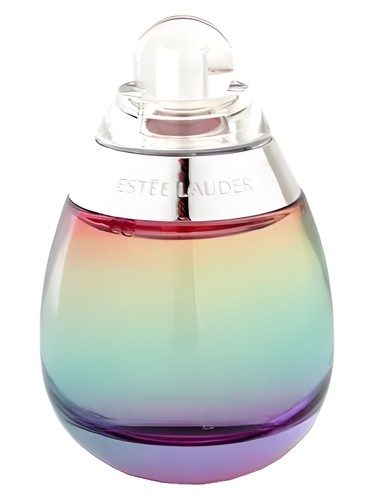
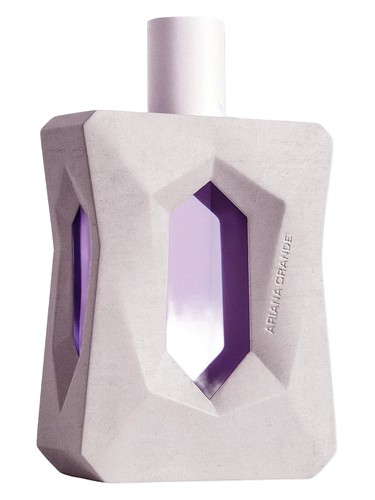
Well-known fragrances with Ambrette
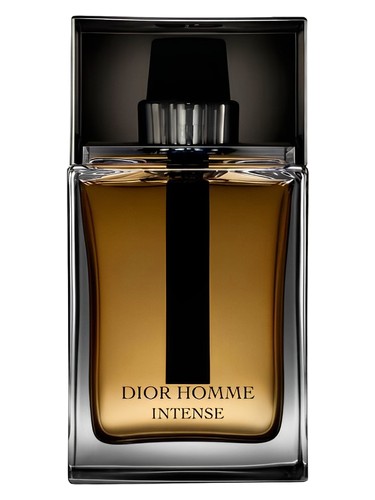
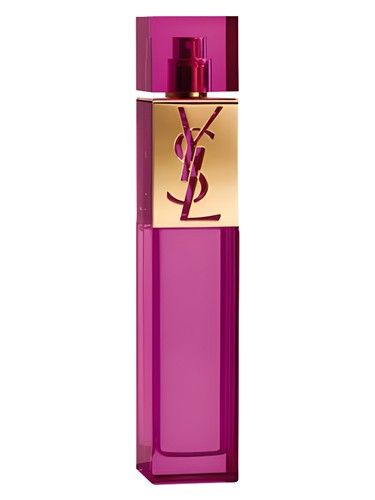
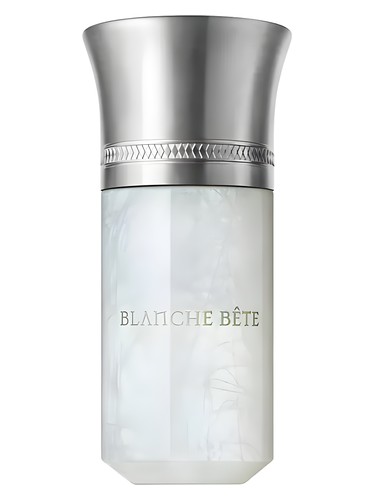
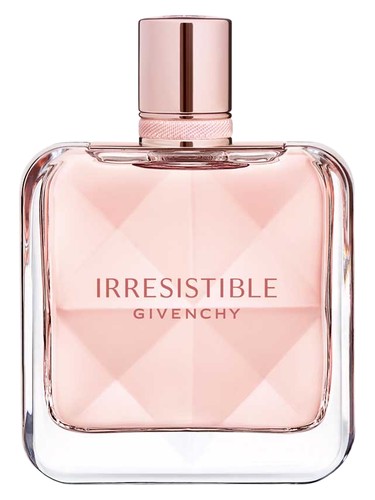
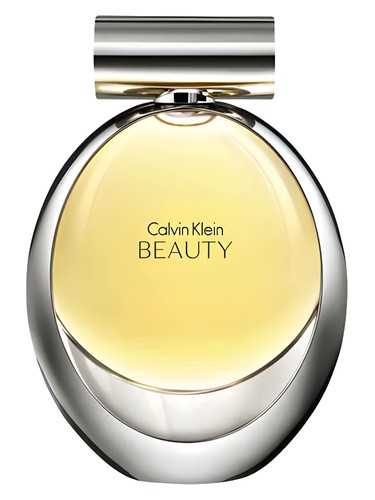
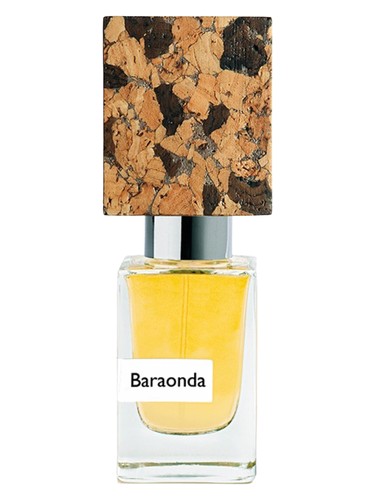
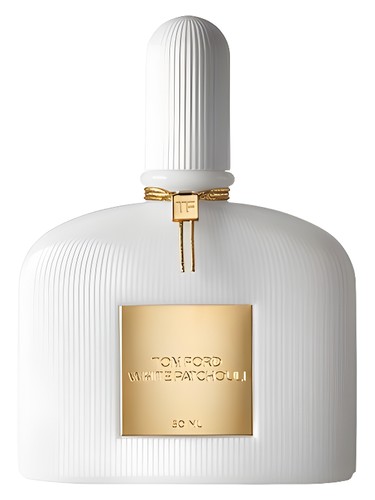
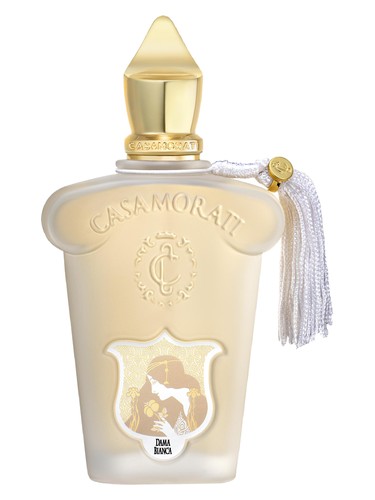
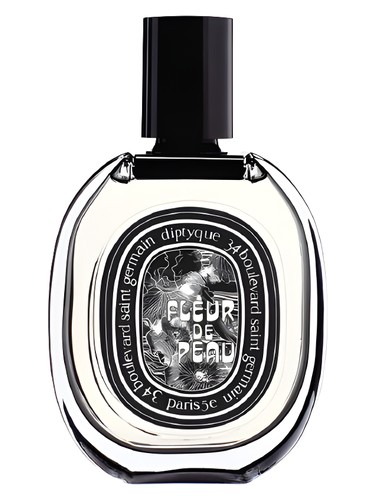
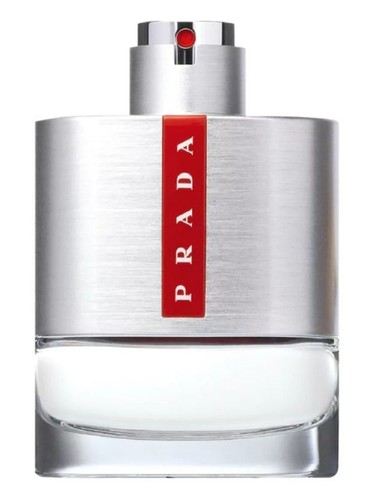
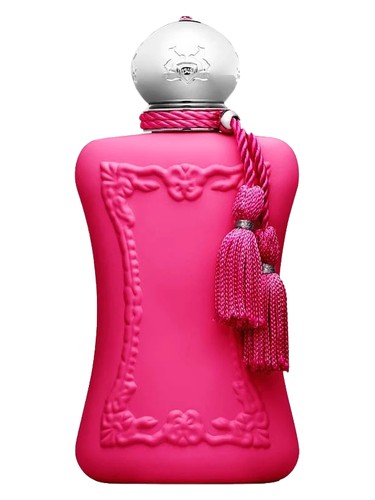
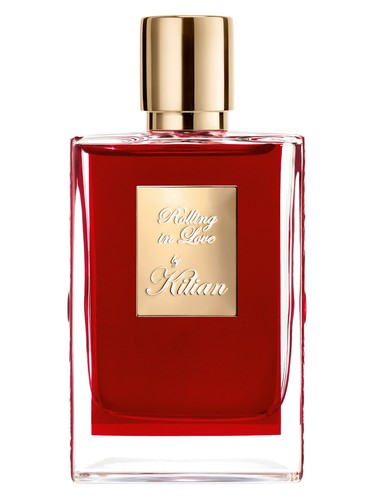
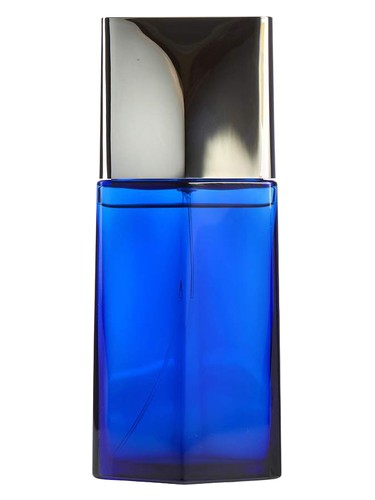
Fragrances that list it in their notes, most-rated first.
Houses that use it most
Ranked by how many of their well-known fragrances list Ambrette.