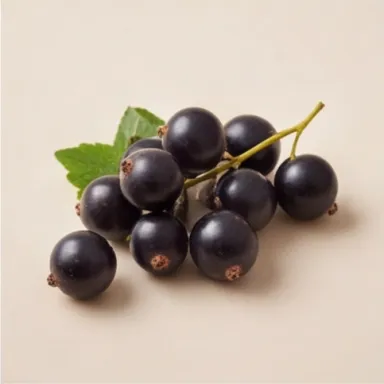
Black Currant
Tart dark berries with green crushed leaves and a faint sharp, catty edge.
You may know it from Blackcurrant jam or squash.
Where it comes from
Made from blackcurrant bud extracts and synthetic aroma materials.
Botanical name: Ribes nigrum
Worth knowing
It can smell greener and sharper than the sweet fruit.
About black currant
The natural cassis material in perfumery comes from the buds rather than the berries. It is an absolute made from the buds of the blackcurrant shrub, Ribes nigrum, which the French call bourgeons de cassis. The shrub is deciduous, belongs to the family Grossulariaceae and is grown for its fruit, yet every part of the plant is strongly aromatic. The finished absolute is a yellow-green to dark green paste.
Buds are gathered in winter. Sources disagree on the window: one gives December to early February, another says January, by machine. ScenTree reports that mechanical harvesters now collect about 100 kg of buds in a day, where hand picking manages about 100 g an hour. The same source gives extraction yields of 4% for the concrete, then 80% for the absolute made from that concrete. Perfume Shrine cites Biolandes as a producer in France, around Le Sen and Valréas.
The catty, sulfurous edge is attributed to thiols, notably 4-methoxy-2-methylbutan-2-thiol. The Good Scents Company describes that molecule as sweet, sulfurous, skunk-like and catty, with a minty tropical quality and hints of mango, peach, blackcurrant and grapefruit. It also turns up in the fruit itself, in olive oil and in sencha tea. Suppliers describe the absolute as fruity and green with minty-sulfurous and animalic notes, while Perfume Shrine calls it spicy, fruity and woody, fresh and tangy, slightly phenolic.
Guerlain's Chamade (1969, Jean-Paul Guerlain) is cited as the most celebrated use of bourgeons de cassis, with a blackcurrant note running through its floral heart. Perfume Shrine draws a line between the natural absolute and synthetic cassis bases, which it says can be cloying and were popular in 1980s and early 1990s perfumery. It describes the natural material as greener and lighter.
The name invites mix-ups. Cassia is a cinnamon-family bark spice from Cinnamomum cassia, and cassie is a flower absolute from Acacia farnesiana; both only sound like cassis. IFRA's Code of Practice recommends up to 1.0% of the bud absolute in the fragrance concentrate.
Accords it shows up in
How many of the fragrances listing Black Currant in our catalogue also carry each accord. We counted this ourselves.
Often paired with
The notes that appear next to Black Currant most often in our catalogue.











Well-known fragrances with Black Currant
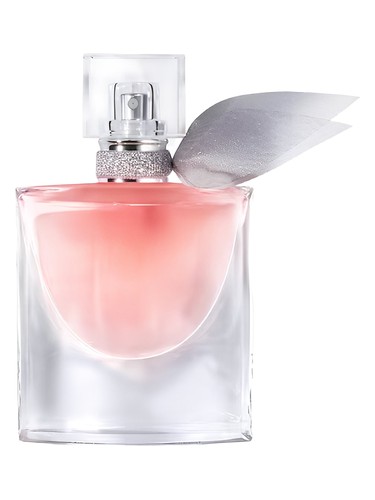
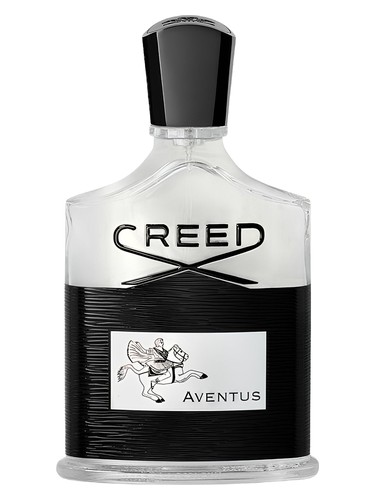
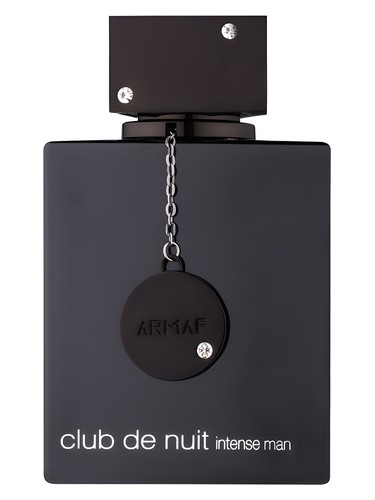
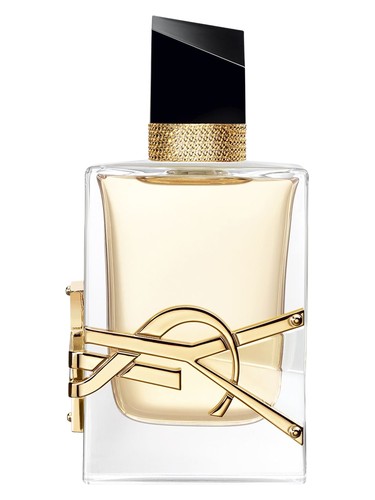
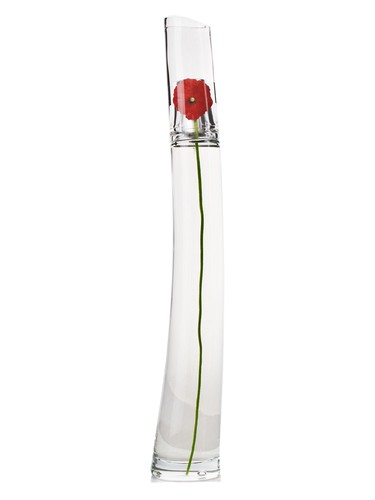
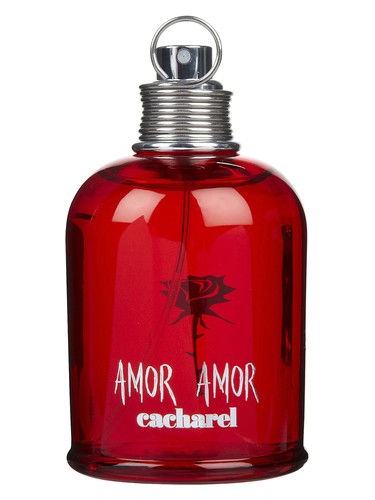
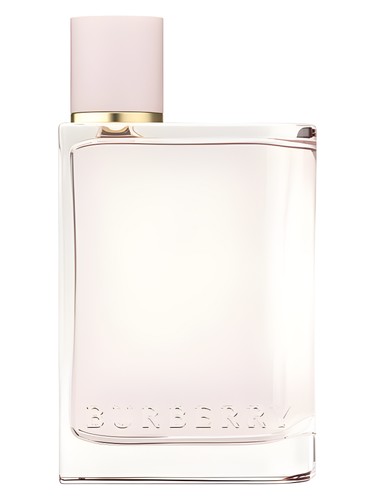
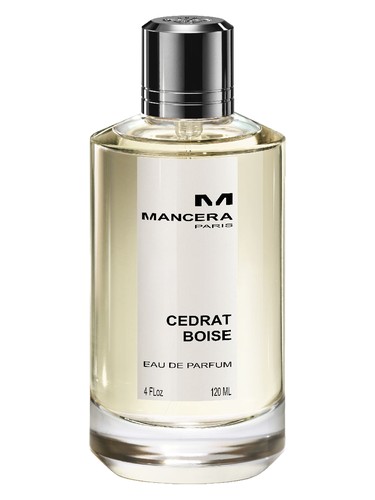
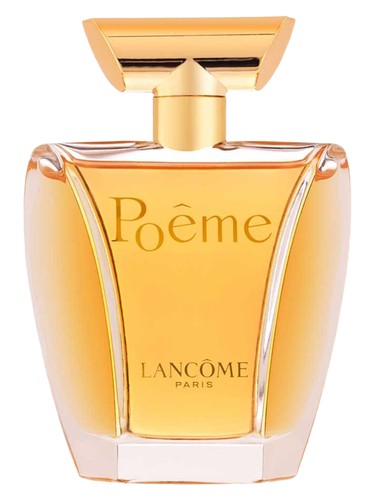
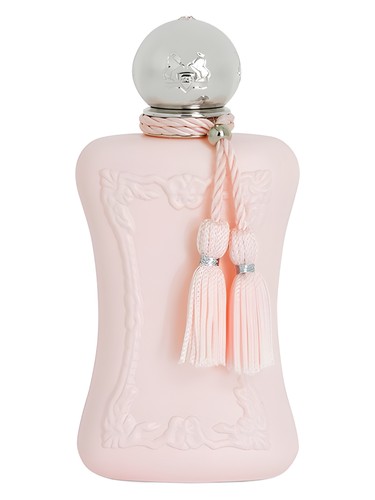
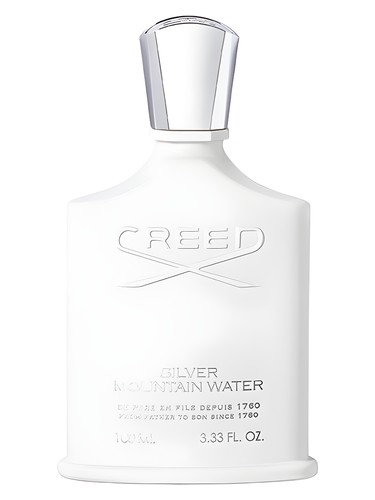
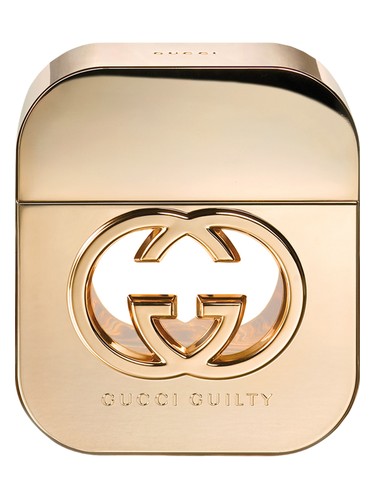
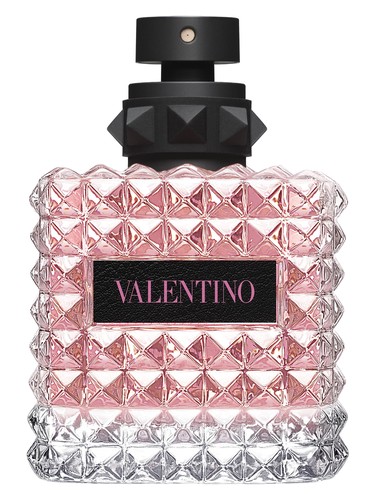
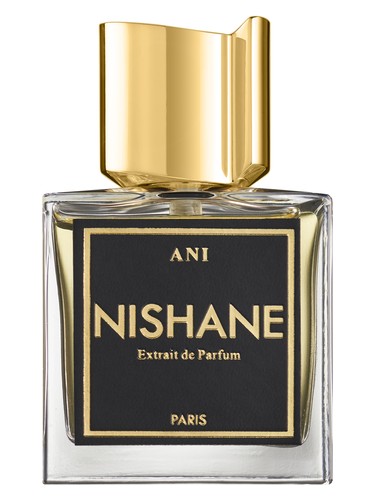
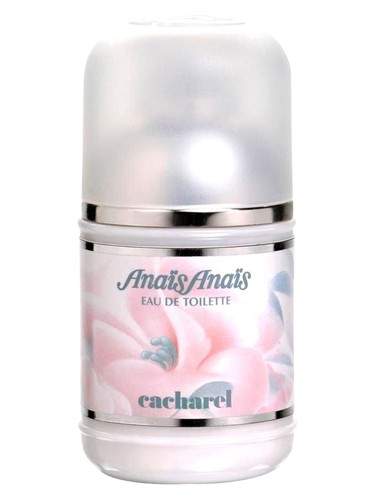
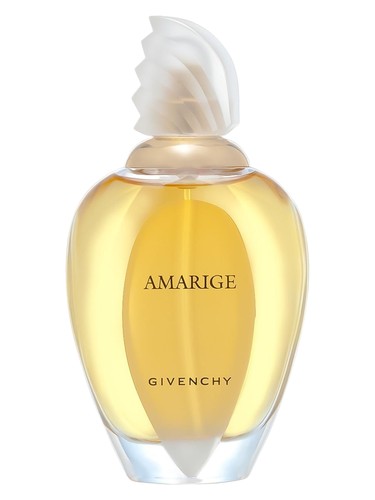
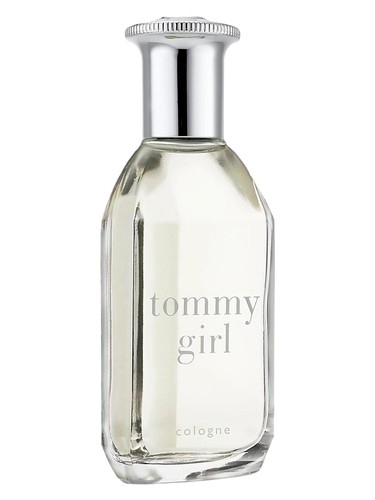
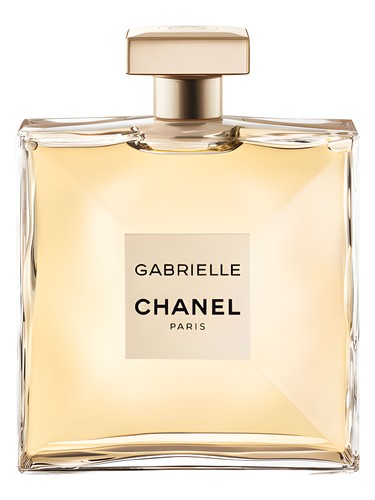
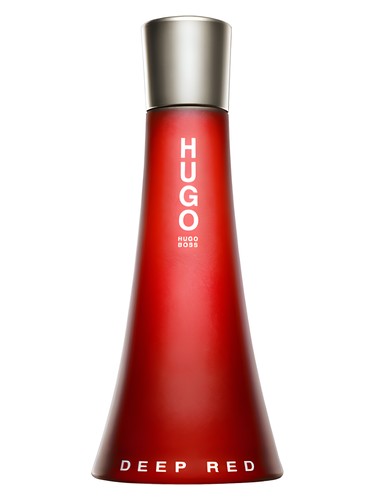
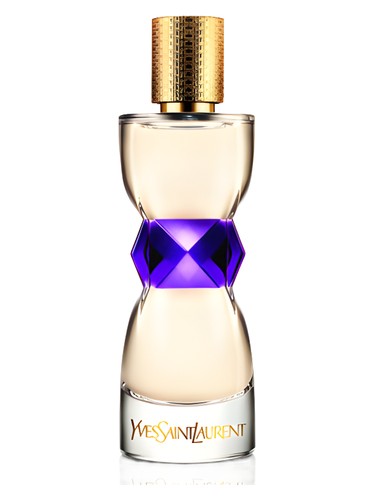
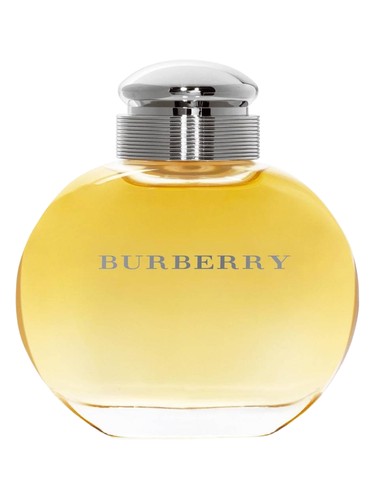
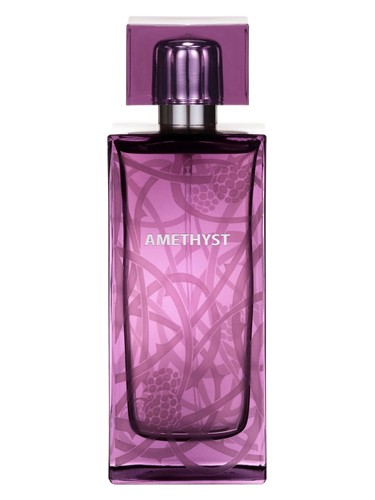
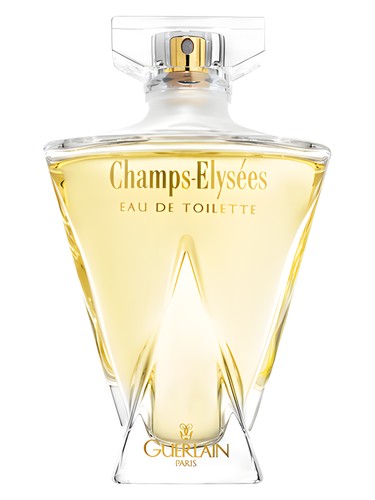
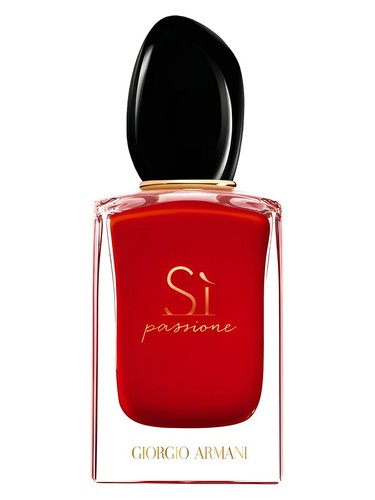
Fragrances that list it in their notes, most-rated first.
Houses that use it most
Ranked by how many of their well-known fragrances list Black Currant.