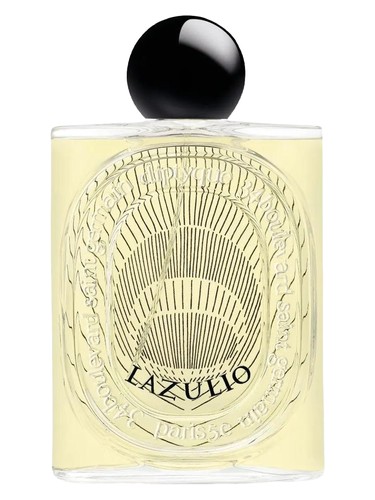
Lazulio
Fragrance notes

Character
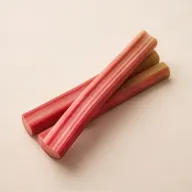
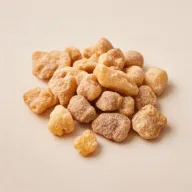
Lazulio opens with a startlingly tart rhubarb, all green crunch and sour snap, like biting into a stalk pulled straight from the dirt. That astringent freshness is quickly tethered by a surprisingly dry vetiver, earthy and fibrous, while a whisper of floral notes floats somewhere in the middle, never fully resolving into a bloom. The benzoin arrives late, softening the edges into a faintly sweet, ambered warmth, but it never blankets the green core. The overall effect is that of a greenhouse after a storm: damp soil, broken stems, and a single, bruised white petal stuck to the glass.
This fragrance feels less like a perfume and more like a botanical sketch, deliberately unfinished and slightly skeletal. The longevity is a modest 3.23, and the sillage hovers at 2.83, which means Lazulio stays close to the skin, a private affair rather than a broadcast. It leans natural in its rawness, with a niche sensibility that rejects easy prettiness for something more intellectually tart and green. It is sweet only in the way a ripe rhubarb compote is sweet, cut through by that persistent sour earthiness.
This is a scent for the sharp-dressed minimalist who prefers a crisp white shirt and clean lines. Skip it if you need projection, warmth, or any conventional soft florals. Spring morning is its natural habitat, ideally on a cool, overcast day when the air smells of wet gravel and cut grass. Wear it to a gallery opening or a quiet coffee meeting where you want to be interesting, not loud. At its core, Lazulio is a quiet, prickly thing, and it knows its own limits.
Smells similar
We matched these by the notes each one lists, giving more weight to the unusual ones they share. Sharing materials does not make one a copy of the other.