Phileas
Fragrance notes
Character
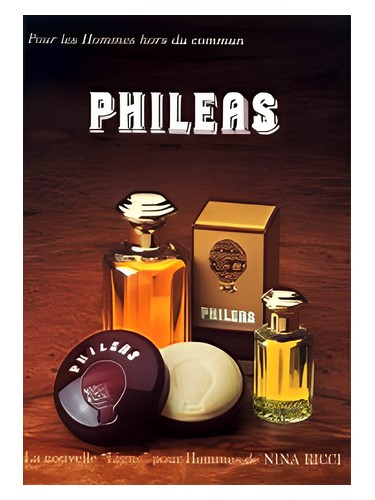
Phileas opens with a sharp, almost medicinal blast of juniper berries and aldehydes, the green notes and citrus cutting through like cold air on a winter morning. This is no soft entrance. Within minutes, the heart reveals a curious tension: pine needles and caraway give an aromatic snap, while carnation, cinnamon, and cedar warm the edges, dragging the composition toward dusty spice cabinets and old wooden libraries. The jasmine here is not floral in any conventional sense, it feels dry, almost peppery, threaded through vetiver and patchouli like a forgotten herb sachet.
The dry down is where Phileas earns its keep. Oakmoss, leather, tobacco, and labdanum form a dense, mossy amber base that clings to the skin like the residue of a whiskey glass set down on a mahogany desk. This is a fragrance built for fall and winter evenings, 94.67% of wearers agree on fall, and it works best at night 100% of day votes. Yet its sillage sits modestly at 3.05/5, it does not shout, it hovers like cigarette smoke in a dimly lit room. Longevity is fair at 3.72, enough for an evening but nothing heroic.
Who should wear it? Someone who prefers introspection over attention, who wants to smell like a man of letters rather than a man of the moment. It leans heavily into the 1980s oriental masculine tradition, natural in its moss and leather but not a crowd pleaser. Skip it if you want freshness or sweetness, this is a brooding, earthy scent with a slight synthetic edge in the top notes that time has not softened. A single image: a well-worn leather armchair in a forest cabin, upholstered with the previous occupant’s stories.
Smells similar
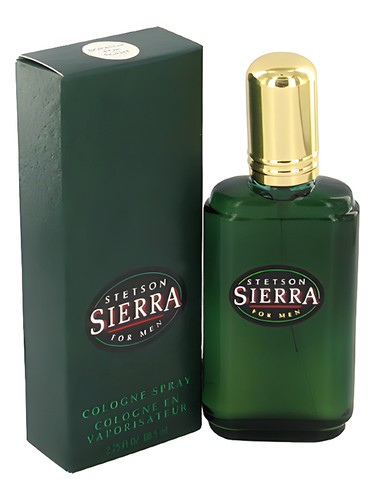
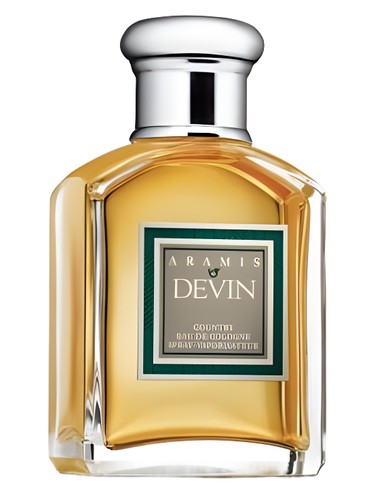
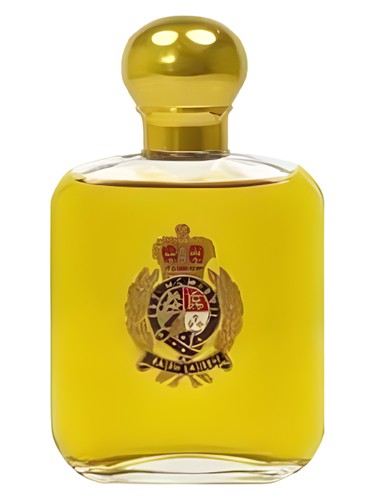
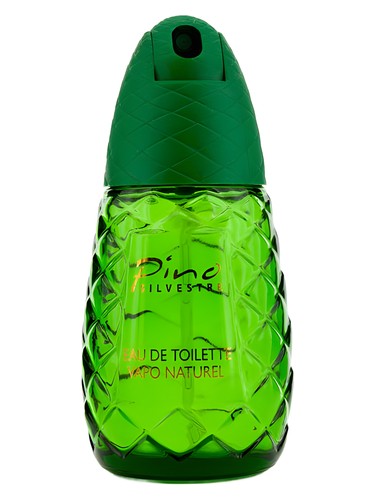
Built from the same materials — ranked by how unusual the shared notes are, not by how many.