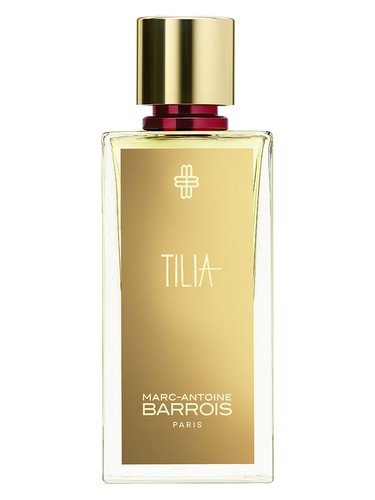
Tilia
Fragrance notes



Character
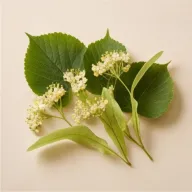
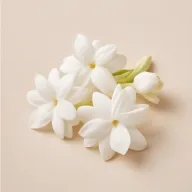
Tilia opens on linden blossom, the specific, honeyed smell of the tree in bloom, with jasmine sambac and broom adding a green, slightly hay-like undertone underneath the honey. Most florals use linden as a light, background accent; here it is the entire subject, given room most compositions never grant it.
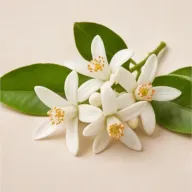
Heliotrope and orange blossom carry the heart into something powdery and warm, and the honey accord never quite disappears, running underneath the whole composition like a low hum. There is no fruit, no aldehydes, no obvious structure holding it together beyond that one central idea, repeated and turned slightly each time it reappears.
Vetiver and the modern base pairing of ambrofix and georgywood keep the structure clean and a little abstract, and the wear holds on well, still recognizably itself long after the linden has softened. The sillage carries, the linden blossom drifting out ahead of the wearer and announcing the fragrance before you can see who's wearing it.
It leans toward the warmer months, spring and summer especially, with a real drop-off once true winter sets in, and reads best worn during the day. Quentin Bisch built something genuinely unusual here, a linden note treated as the whole subject instead of a supporting accord, honeyed and green in a way few florals manage.
Smells similar
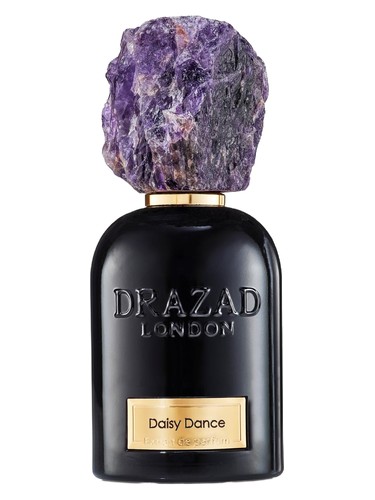
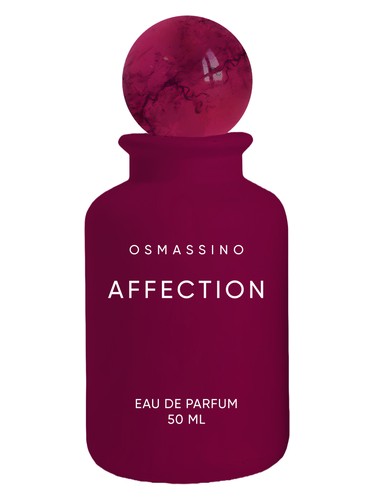
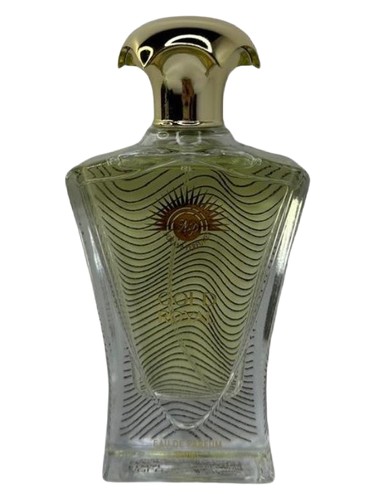
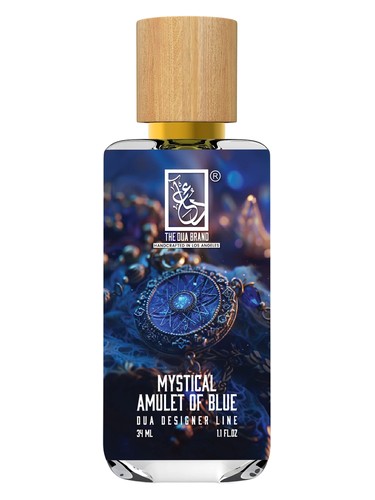
We matched these by the notes each one lists, giving more weight to the unusual ones they share. Sharing materials does not make one a copy of the other.



Said to be inspired by Tilia
Some houses publish which fragrance their products are inspired by. We collect those statements, quote them and link the source.
Dua describes Joyful Constellation as inspired by Tilia:
“Inspired by Marc Antoine Barrois Tilia”www.dua-fragrances.com ↗