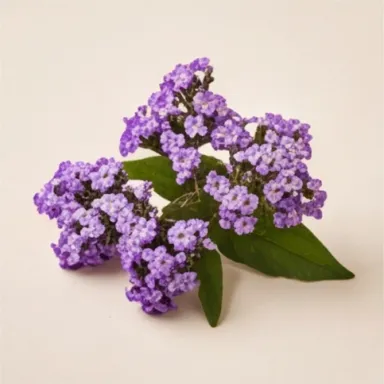
Heliotrope
Soft, sweet powder with almond-like, vanilla-like floral warmth.
You may know it from almond-scented powder or marzipan
Where it comes from
Usually built from aroma chemicals; heliotrope flowers do not provide a practical perfume extract.
Worth knowing
It rarely comes from the heliotrope flower itself.
About heliotrope
The garden plant behind the name, Heliotropium arborescens, carries poisonous pyrrolizidine alkaloids, and Perfume Shrine ties its name to the sun. In the Victorian era it gained great recognition in English gardens and borders. Perfumery took the name and left the plant behind.
What sits in the bottle is heliotropin, also called piperonal. Osmetheca calls the heliotrope note fundamentally a synthetic accord. Perfume Shrine points out that the molecule is absent from the blossoms' scent profile and is used because it smells enough like heliotrope. Piperonal does turn up naturally in dill, violet flowers, black pepper and vanilla, but industry makes it by oxidative cleavage of isosafrole, among other routes. Sources disagree about a natural version. Osmetheca says a heliotrope absolute exists, quoting a yield under 0.02 percent by weight and a price above EUR 25,000 per kg, while Perfume Shrine says an essence from the flower cannot capture the scent.
Descriptions of the smell keep returning to the same few words. Perfume Shrine calls it powdery, like vanilla meringue with a helping of almond, and says the company it keeps decides the reading: beside violet and iris it becomes talcum powder, beside vanilla or almond it turns gourmand. Osmetheca adds a faint cherry edge, and Good Scents lists vanilla and sweet cherry-pit notes.
Osmetheca dates the first preparation of heliotropin to 1869, by the German chemist Fittig, and names Coty's L'Origan of 1905 as the first major use. Guerlain's Après l'Ondée lists violet, iris, heliotrope, hawthorn, anise and herbal notes, and Jacques Guerlain followed it with L'Heure Bleue in 1912, a floral amber with a similar powdery accord that is denser and more confectionery.
Heliotropin has run into regulators. In June 2024 the EU's RAC recommended classing it as toxic to reproduction 1B and a skin sensitiser 1. A preliminary SCCS opinion in April 2026 found it safe in fine fragrances for adults at concentrations up to 1.8%. IFF sells Heliotropex, a proprietary blend with an undisclosed composition, as a modern alternative to restricted heliotropin.
Accords it shows up in
How many of the fragrances listing Heliotrope in our catalogue also carry each accord. We counted this ourselves.
Often paired with
The notes that appear next to Heliotrope most often in our catalogue.










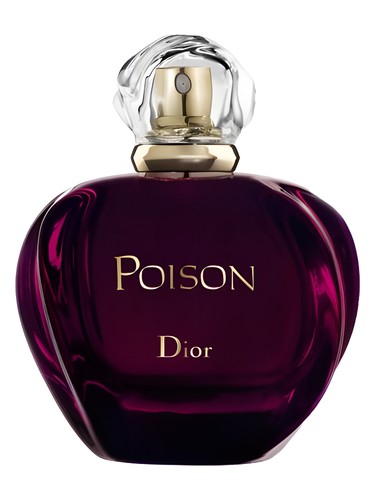
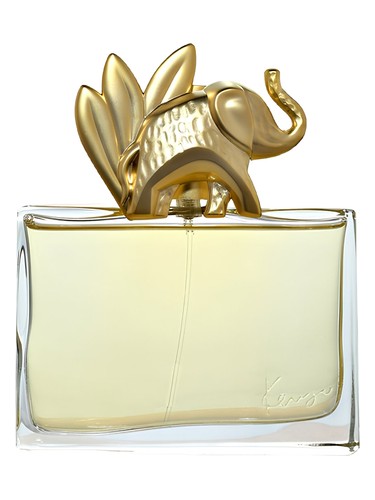
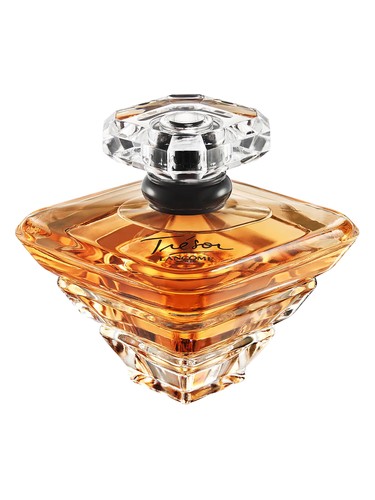
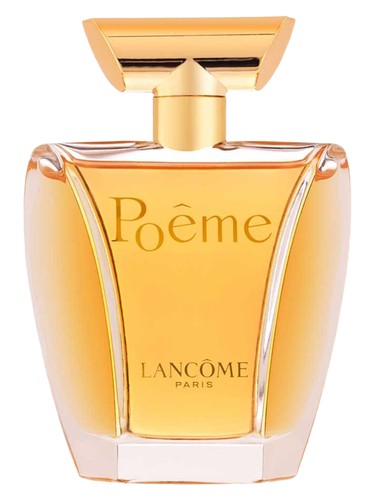
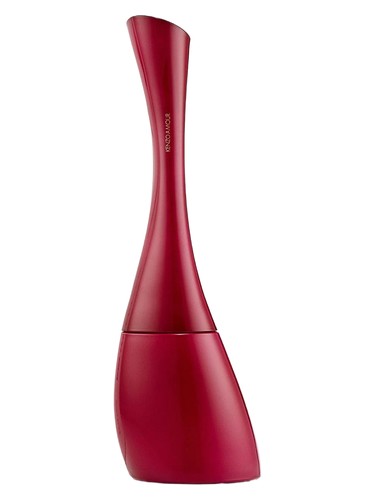
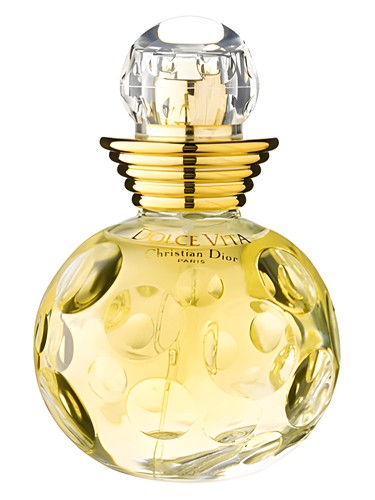
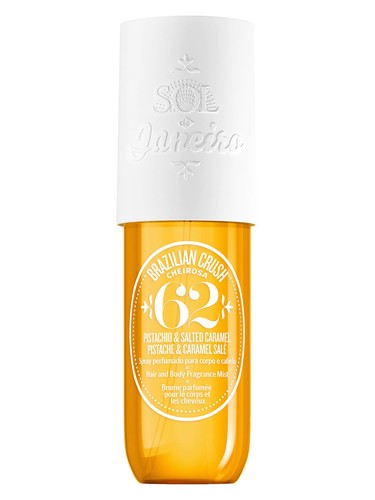
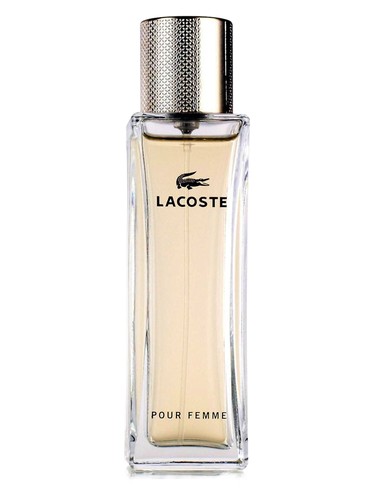
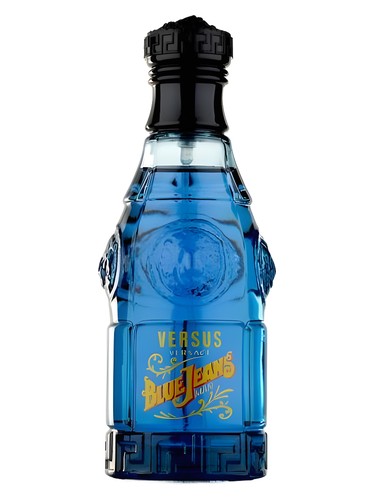
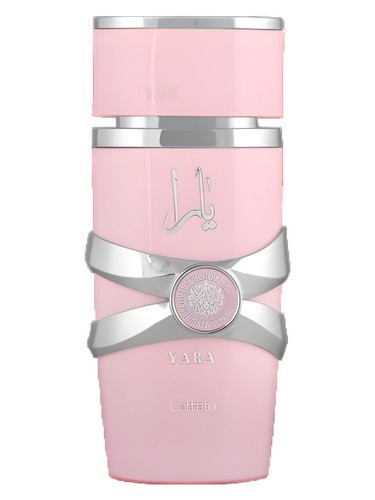
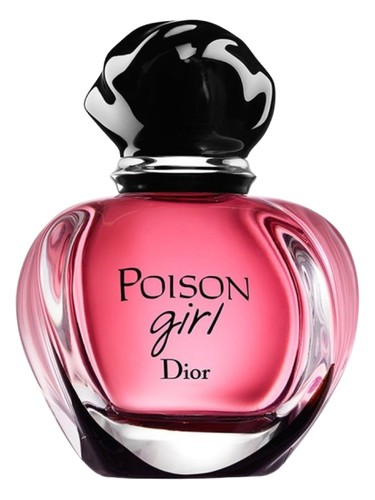
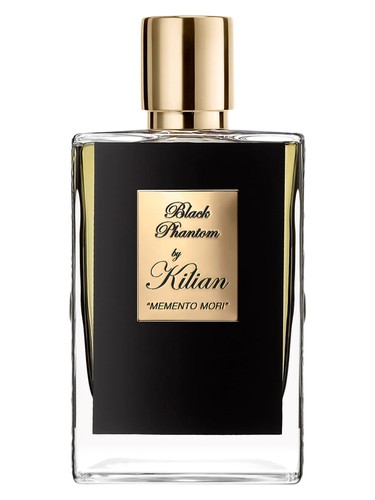
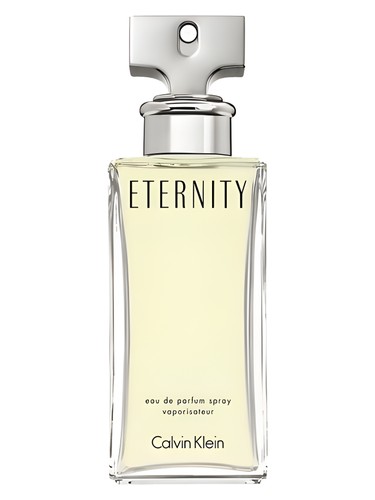
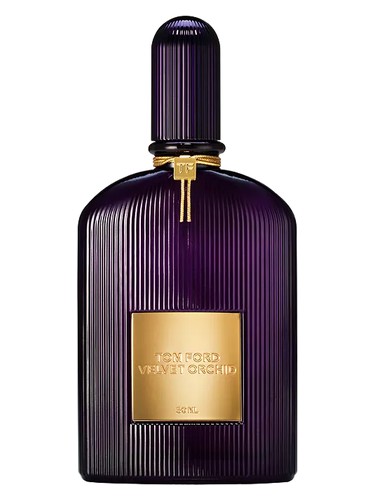
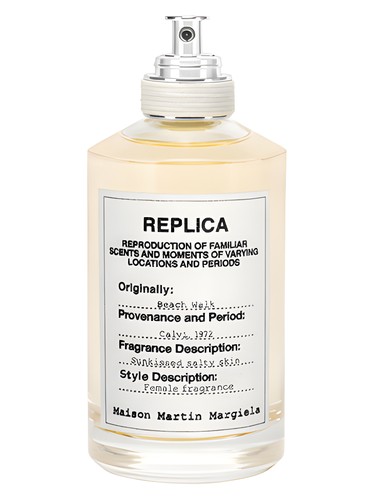
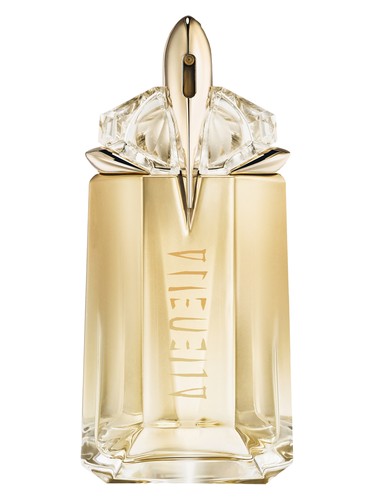
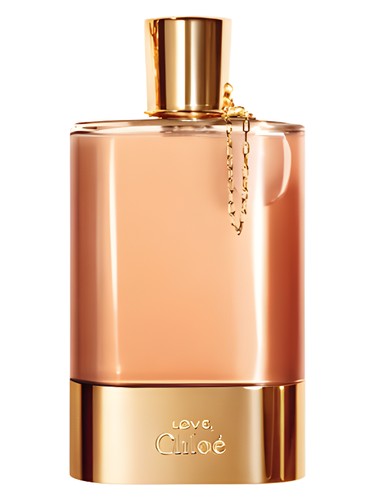
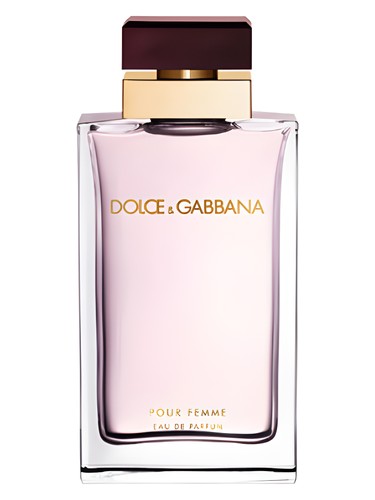
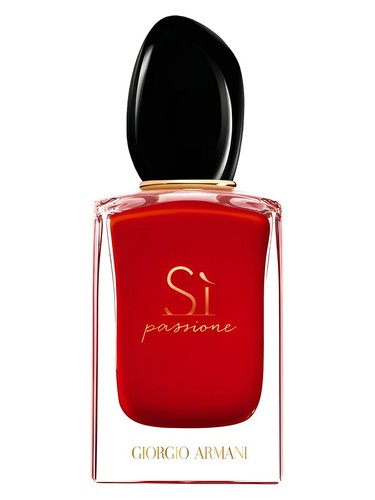
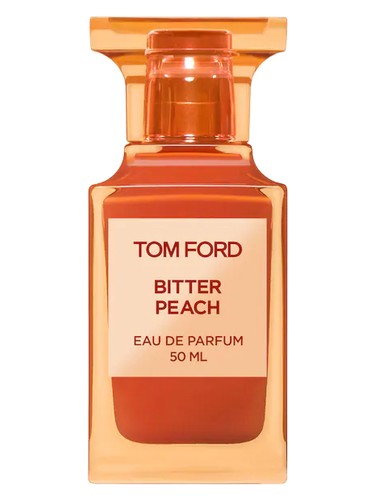
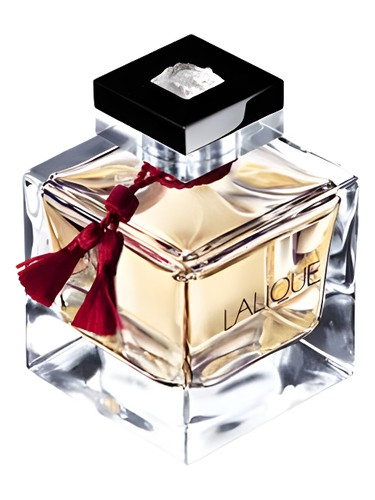
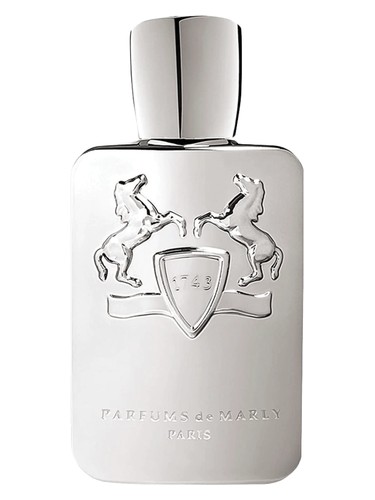
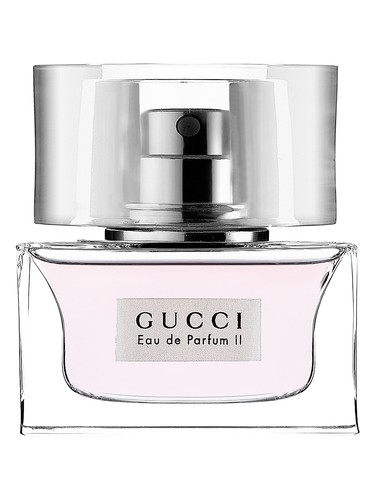
Well-known fragrances with Heliotrope
Fragrances that list it in their notes, most-rated first.
Houses that use it most
Ranked by how many of their well-known fragrances list Heliotrope.