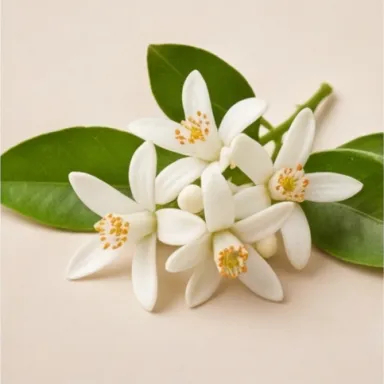
Orange Blossom
Sweet white flowers with citrusy freshness, honeyed warmth, and a faint clean bitterness.
You may know it from Orange tree flowers in bloom
Where it comes from
Extracted from bitter orange blossoms or made from aroma molecules.
Worth knowing
Often means bitter orange blossom, not the fruit's peel oil.
About orange blossom
The orange blossom of perfumery comes from the bitter orange tree, Citrus aurantium subsp. amara, a hybrid of pomelo and mandarin. Bois de Jasmin says sweet orange flowers give an inferior, less fragrant grade of neroli than bitter orange does. The blossoms are gathered by hand in late April to early May.
One tree gives several materials: neroli oil, orange blossom absolute, orange flower water absolute, and petitgrain from the leaves and tender buds. The absolute is made by solvent extraction. Flowers are extracted with hexane to a concrete, and the concrete is washed with alcohol. Neroli is steam-distilled from the same blossoms, and that difference in method is the reason the two smell different. Neroli is richer in linalool and linalyl acetate, while the absolute carries more indole and methyl anthranilate. The water left from distilling neroli is orange flower water, which also goes into Mediterranean and Middle Eastern cooking.
Over time the absolute moves from a bright citrus-green opening to honeyed depth and a warm dry-down. Eden Botanicals notes a subtle bitter-green back note and calls it a middle note and fixative. Suppliers describe origins differently. Hermitage Oils lists the Moroccan absolute with tangy bitter oranges, honey, green warmth and "fruity dirtiness", Eden Botanicals calls its Egyptian one indole-rich, and Good Scents lists the Tunisian as "sweet orangeflower green stem". Indole smells fecal at high concentration and flowery at very low concentration, which is why it appears in white-floral perfumery.
Because the naturals are expensive, perfumers also rebuild orange blossom from synthetics such as aurantiol, methyl anthranilate and nerolidol. Aurantiol is a Schiff base of methyl anthranilate and hydroxycitronellal, and it is called the most widely used Schiff base in perfumery.
Fracas (1948, Germaine Cellier) used Tunisian orange blossom absolute, which Chandler Burr says made the tuberose more lifelike and raw. Bois de Jasmin names Coty L'Origan and Guerlain L'Heure Bleue as pioneering floral orientals that paired orange blossom with vanilla, heliotrope and musk. The name neroli is traced to Anne Marie Orsini, princess of Nerola, who in the late 17th century made the bitter-orange essence fashionable by scenting gloves and bath with it.
Accords it shows up in
How many of the fragrances listing Orange Blossom in our catalogue also carry each accord. We counted this ourselves.
Often paired with
The notes that appear next to Orange Blossom most often in our catalogue.












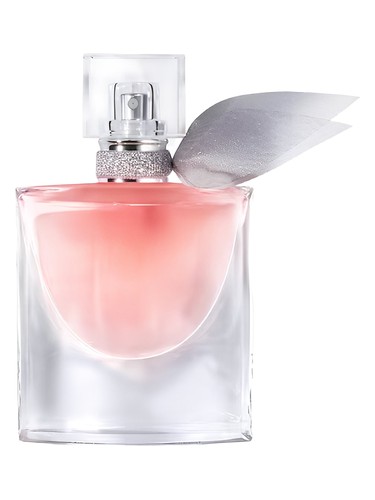
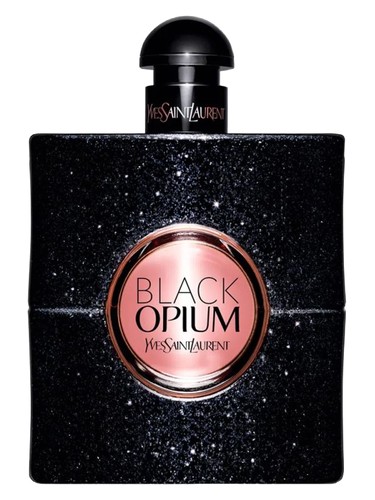
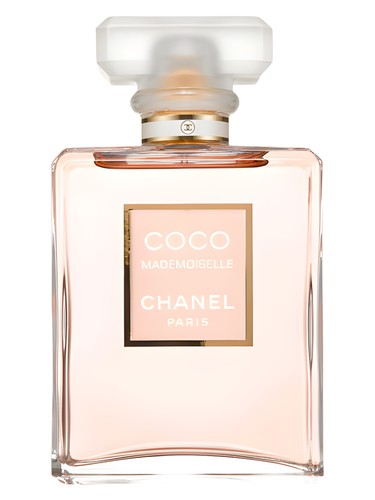
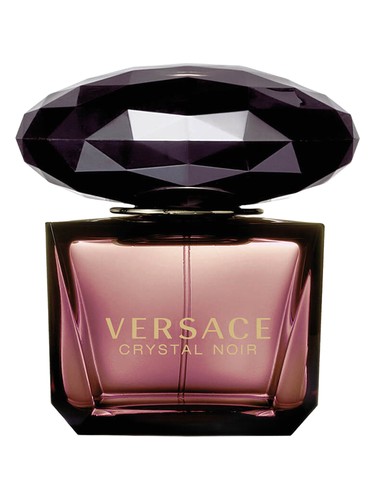
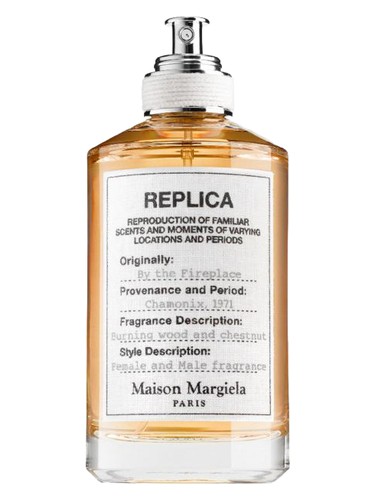
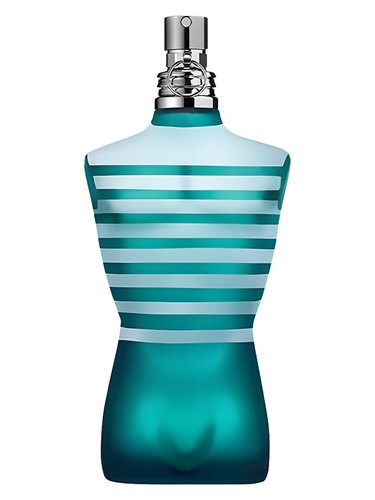
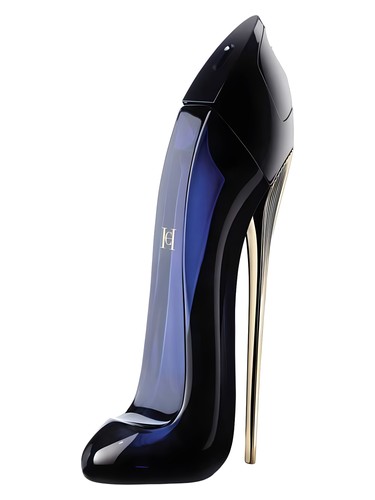
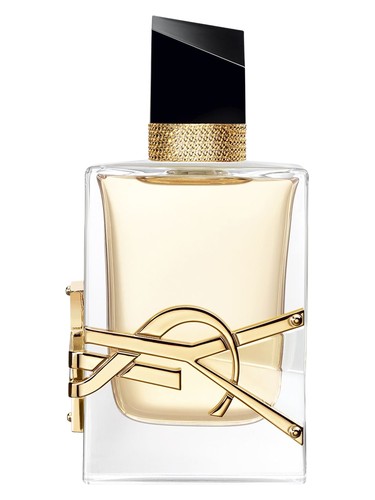
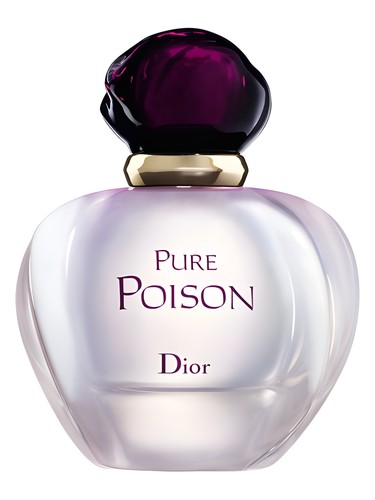
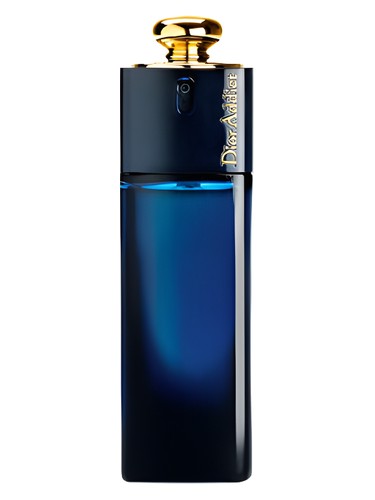
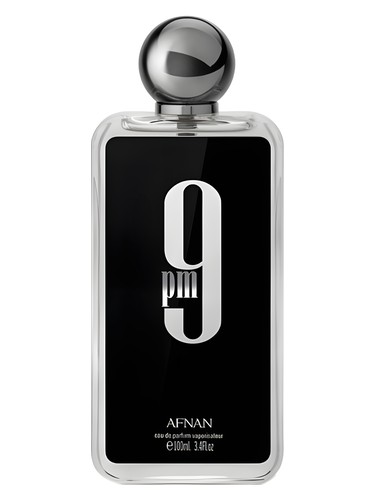
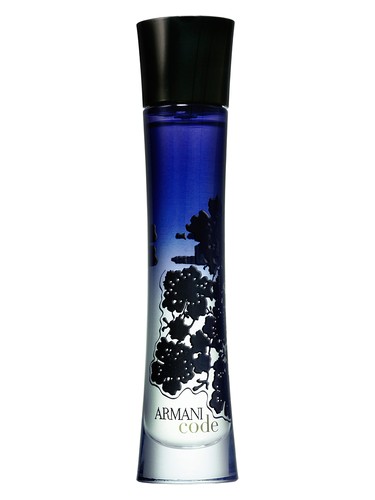
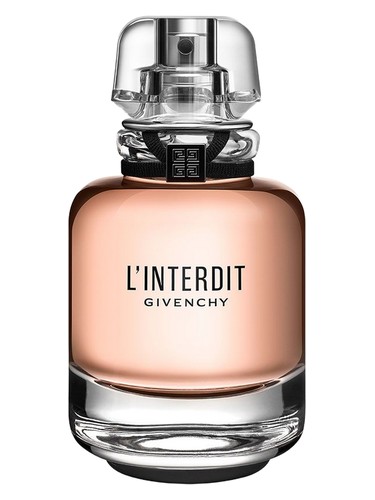
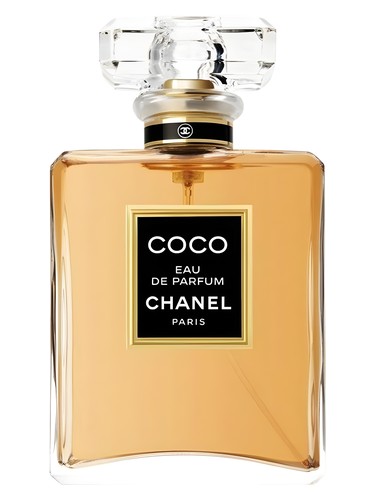
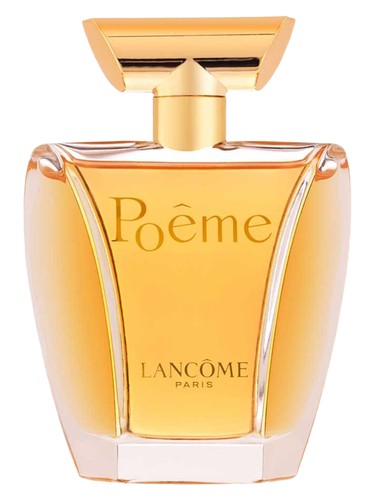
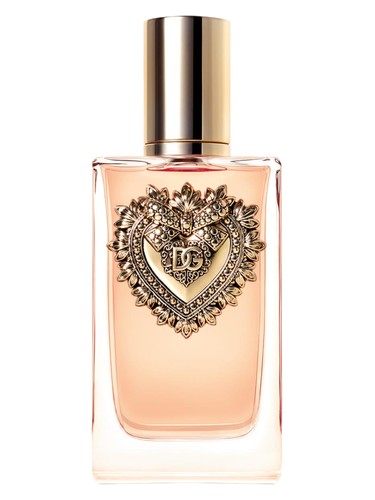
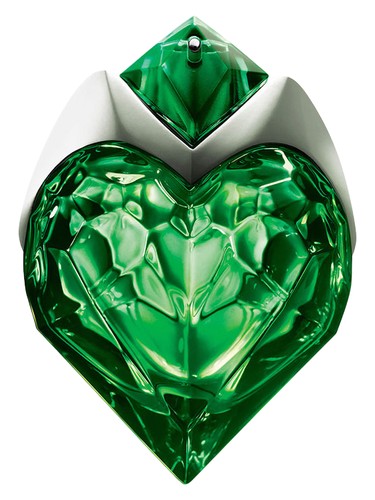
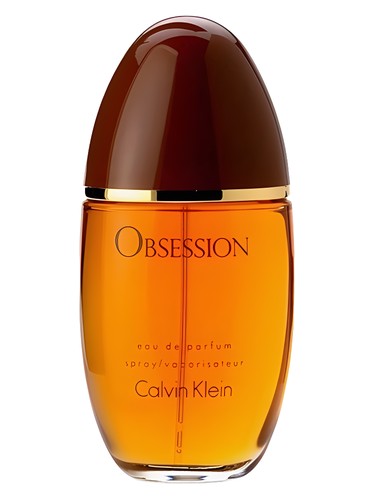
Well-known fragrances with Orange Blossom
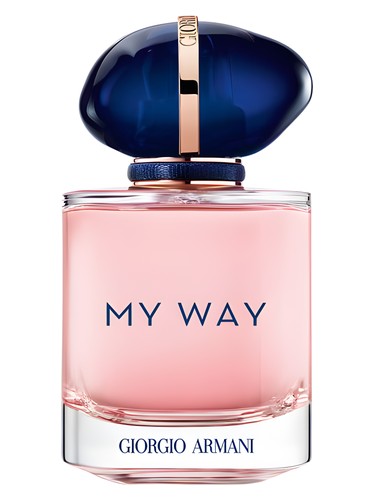
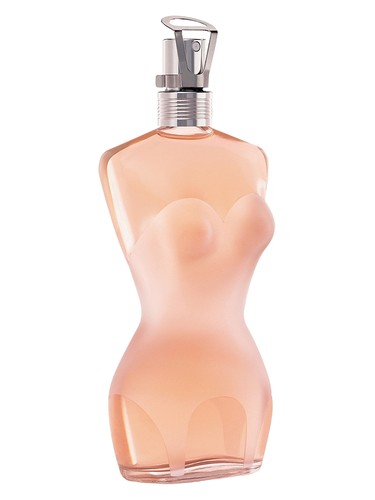
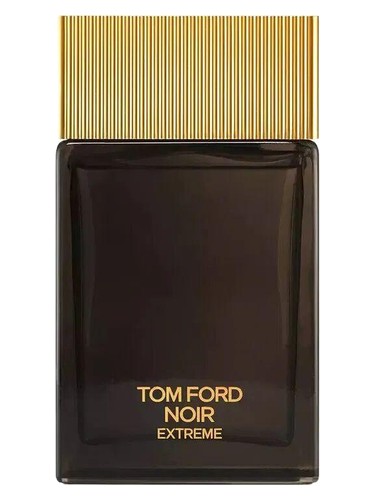
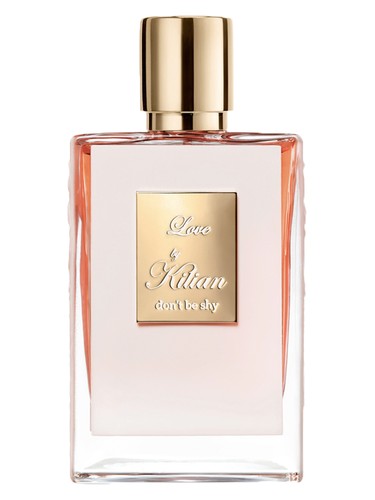
Fragrances that list it in their notes, most-rated first.
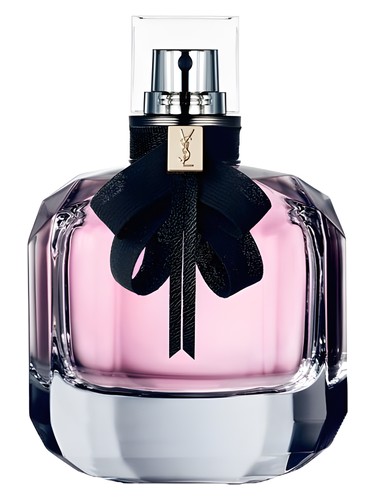
Houses that use it most
Ranked by how many of their well-known fragrances list Orange Blossom.