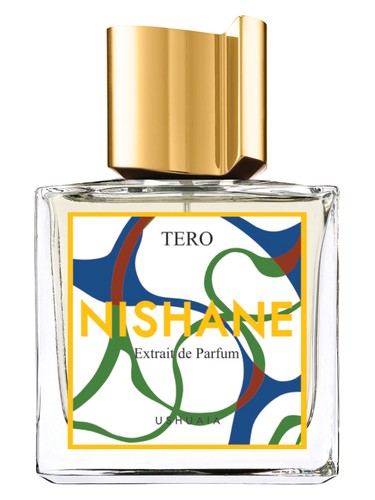
Tero
Fragrance notes
Character
Tero by Nishane opens with a crackle of Sichuan pepper and black pepper, the heat cut by salt, but before you can call it savory, a sticky caramel sweetness oozes in. It’s like stepping into a back-alley spice market on a frozen winter evening, where a vendor has just overturned a jar of burnt-sugar candies onto a sack of damp cedar chips. That initial clash is deliberately disorienting, a sweet-and-spicy tango that Carlos Benaïm refuses to resolve cleanly.
The heart settles into a patchouli-cinnamon haze that feels less like a gourmand and more like dried amber resins and oak splinters dusted with cinnamon powder. The salted caramel recedes into a supporting role, and the vetiver in the base adds an earthiness that keeps the whole thing grounded. It’s not a fluffy dessert scent, it’s a dense, woody sweet with a peppery bite. The longevity is admirable at a solid 4.02, holding close to skin for hours, though the sillage at 3.46 is intimate, not a room-filler. That’s a strength if you want something personal, but a weakness if you crave projection.
This is a winter-only fragrance, full stop. It clings to cold air and coats itself in layers of coat-wool and scarf-fuzz. The 58.52% day versus 86.10% night split tells you it prefers dim bar lights over morning coffee. It suits someone who wants a dark, warm gourmand without going full dessert, but if you dislike salt in your sweetness or find patchouli oppressive, steer clear. One rhetorical question: why does so much niche fragrance forget that salt can be as compelling as sugar? Tero remembers.
Smells similar
Built from the same materials — ranked by how unusual the shared notes are, not by how many.