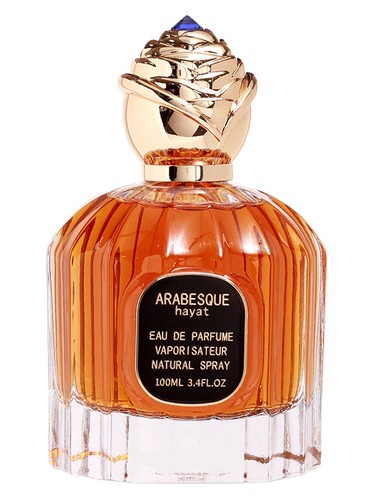
Arabesque Hayat
Fragrance notes
Character
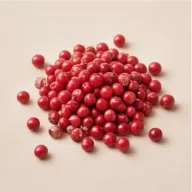
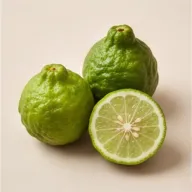
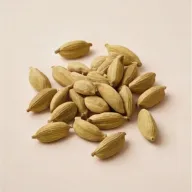
Arabesque Hayat opens with a brisk, citric snap of bergamot that immediately collides with the prickly heat of pink pepper. Right from the first moments, a damp, earthy patchouli pushes through the brightness, grounding the top notes before they can fully dissipate. As the initial freshness settles, the heart of cardamom emerges, lending a cool, slightly medicinal greenness that bridges the gap between the sharp opening and the heavier base. It is a transition that feels deliberate—the spice does not explode but rather simmers, allowing the fragrance to maintain a steady, rhythmic pulse of warmth.
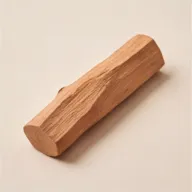
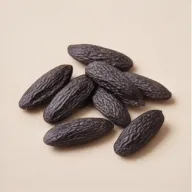
The dry down is where the composition fully commits to its woody and balsamic character. Sandalwood provides a creamy, dimensional foundation, but it is the tonka bean that dictates the atmosphere, wrapping the wearer in a blanket of vanilla-adjacent sweetness. This blend creates a texture that is both powdery and resinous, leaning heavily into the "warm spicy" accord. It feels like a thick, knitted woolen garment; the scent projects a cozy, intimate heat that works best when the air is sharp and biting. The synthetic edge of the patchouli never entirely vanishes, ensuring the sweetness doesn't become cloying, yet the overall impression remains one of dense, unwavering comfort.
Despite the quality of the materials, the scent suffers from a lack of dynamic evolution. Once the heart notes hand the reins to the sandalwood and tonka base, the fragrance essentially stalls. It sits on the skin with a flat, linear consistency, offering little in the way of nuance or development over the course of a day. For those who appreciate a straightforward, heavy spice that does not shift or surprise, this stability is a virtue. However, anyone seeking a complex narrative or a shifting kaleidoscope of notes will find Arabesque Hayat monotonous. It is a fragrance that is easy to admire for its robust opening but difficult to stay engaged with as it wears on.
Smells similar
We matched these by the notes each one lists, giving more weight to the unusual ones they share. Sharing materials does not make one a copy of the other.