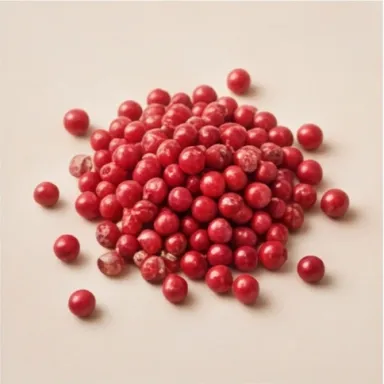
Pink Pepper
Bright, dry peppery sparkle with a rosy, slightly fruity bite.
You may know it from pink peppercorns in a pepper grinder
Where it comes from
Steam-distilled oil from the berries of Brazilian or Peruvian pepper trees.
Worth knowing
It is not true black pepper, but berries from a different plant.
About pink pepper
Pink peppercorns do not come from Piper nigrum, the plant behind black pepper, and one French spice merchant sells them as "faux poivres" or "poivres cousins" for that reason. Perfumery sources name two trees behind the commercial supply: Schinus molle, the Peruvian peppertree, and Schinus terebinthifolia, the Brazilian pepper.
The berries are hand-picked when ripe pink-red and dried before processing. Brazil, Réunion, Madagascar and Peru are named as the main producing countries, and the same merchant says the Brazilian tree has been cultivated in Réunion and Madagascar since the early 19th century. The tree is invasive in Réunion and many other places, spreading by birds and ants and resprouting from cut trunks. It belongs to the cashew family, and its sap can irritate skin the way poison ivy does.
ScenTree reports that hydrodistillation of the berries gives about 5% oil, roughly 90% of it terpenes: alpha-pinene at 25%, myrcene at 20 to 25%, alpha-phellandrene at 15 to 20% and limonene at 15%. It describes the odour as spicy, cool spices, terpenic and zesty. Sources differ on the method, since one fragrance house calls steam distillation the main technique, and a CO2 extract is sold as a separate material that suppliers say keeps the berry's natural profile intact. ScenTree adds that the oil is used mainly in fine fragrance because of its cost, and that oxidised terpenes can polymerise in it, which causes solubility problems.
How it unfolds depends on who is describing it. One boutique perfumer hears a sharp, metallic snap that lifts after about ten minutes to dried berries, then woody-resinous undertones, with none of black pepper's warmth. A supplier describes its CO2 extract as a bright citrus top, then rosy-floral and green facets, finishing woody-resinous. Perfumers use the material as a top-note lifter, since its high monoterpene content gives immediate sparkle and perceived diffusion, and one perfume house pairs it with citrus, rose, iris and woody-amber bases.
The berries may cause allergic reactions, including anaphylaxis, in people with a tree nut allergy.
Accords it shows up in
How many of the fragrances listing Pink Pepper in our catalogue also carry each accord. We counted this ourselves.
Often paired with
The notes that appear next to Pink Pepper most often in our catalogue.












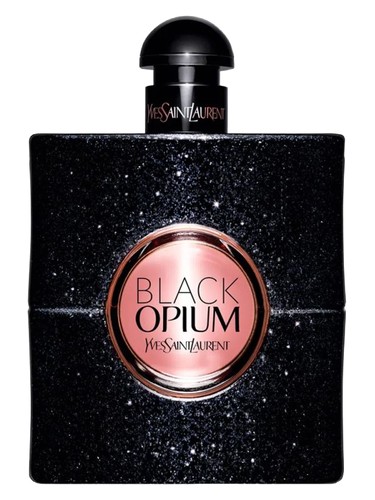
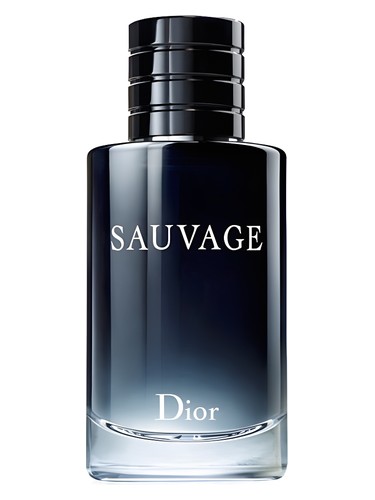
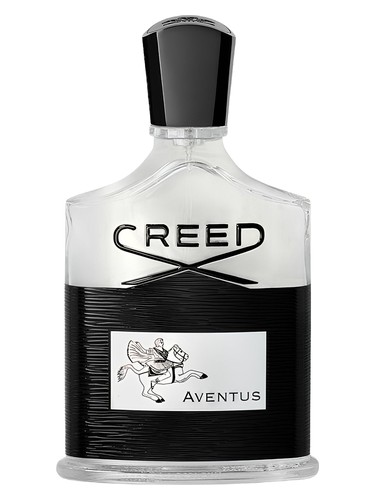
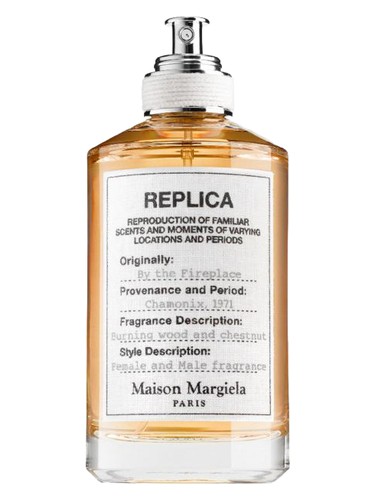
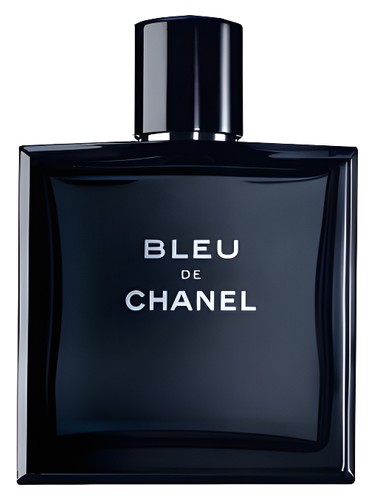
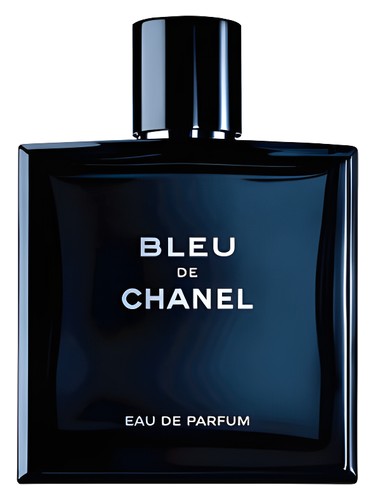
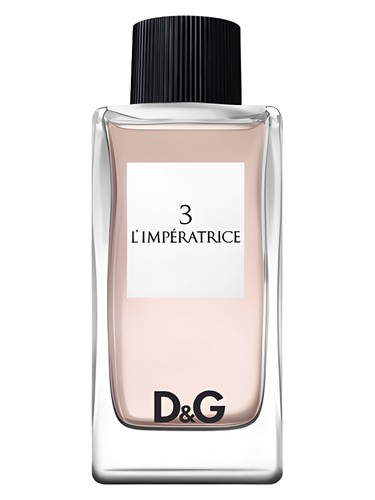
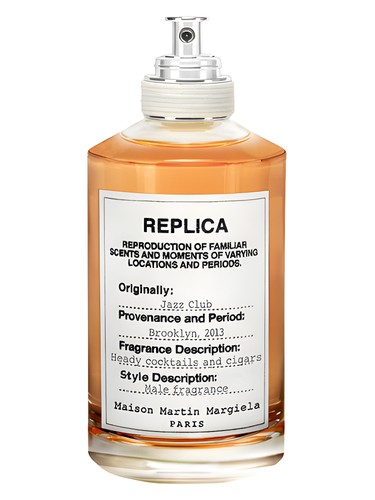
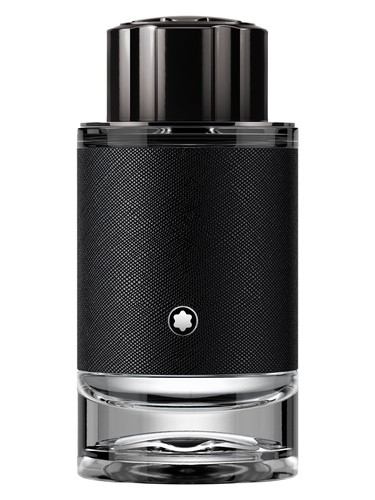
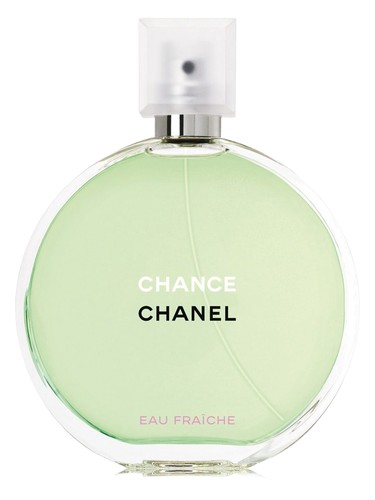
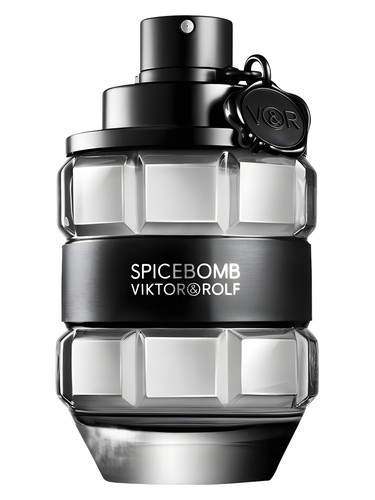
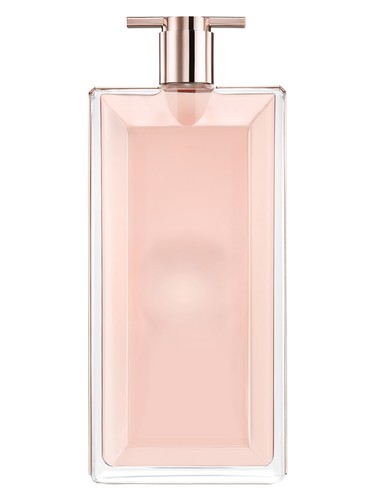
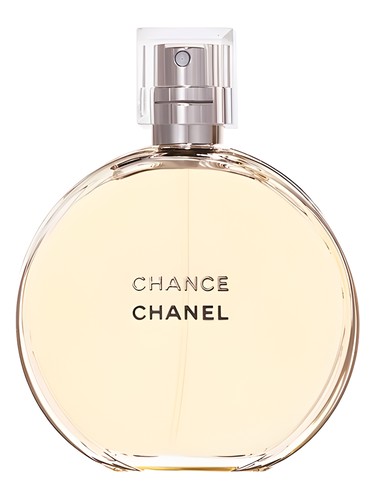
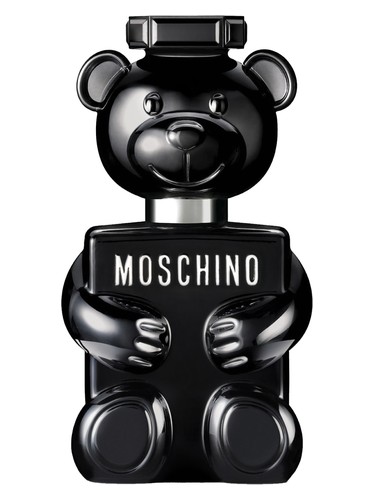
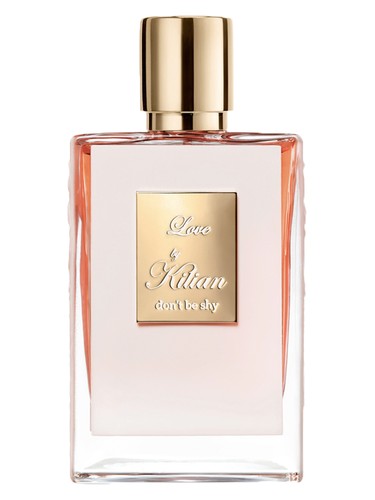
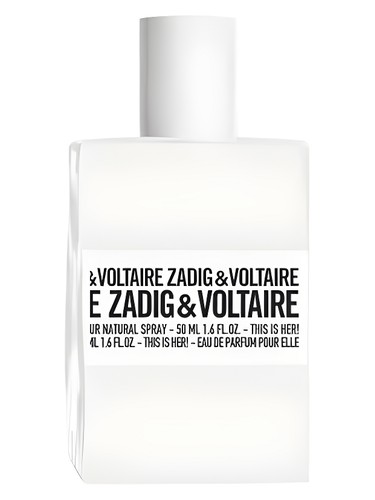
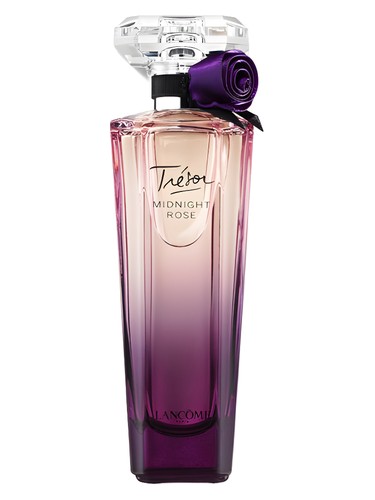
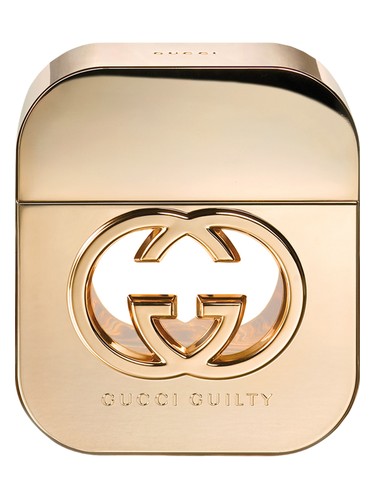
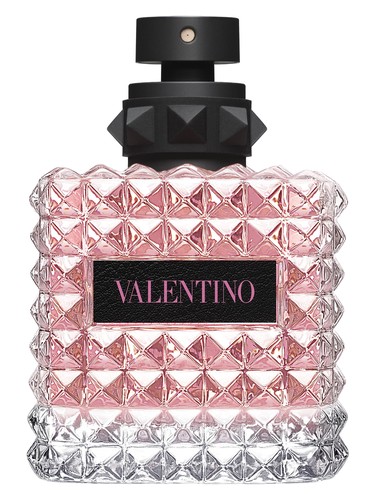
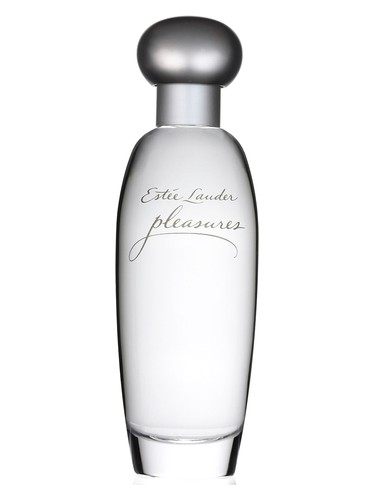
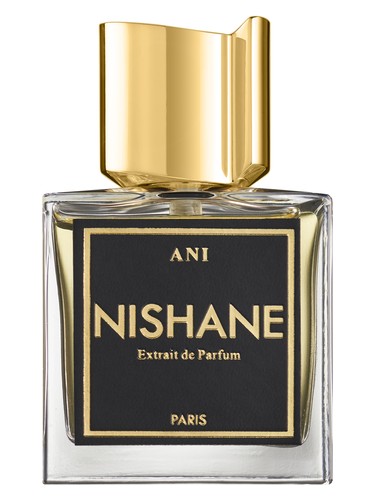
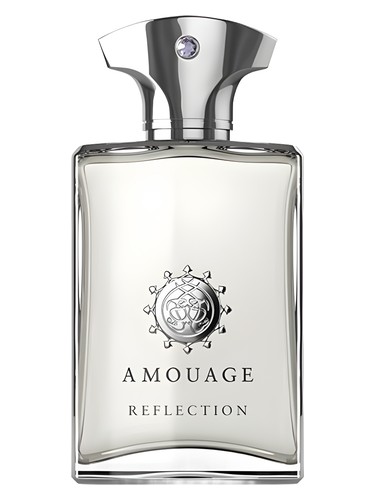
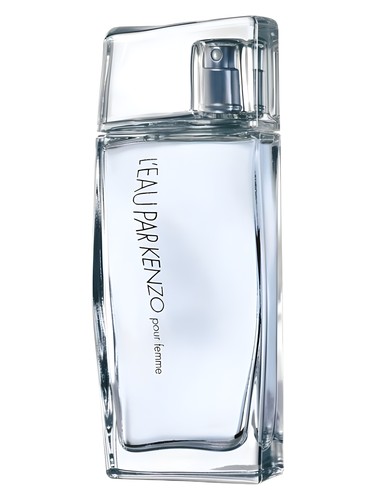
Well-known fragrances with Pink Pepper
Fragrances that list it in their notes, most-rated first.

Houses that use it most
Ranked by how many of their well-known fragrances list Pink Pepper.