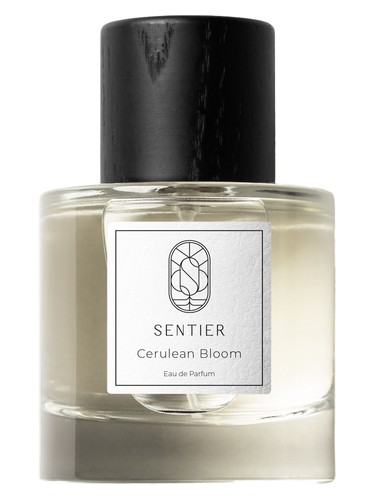
Cerulean Bloom
Fragrance notes




Character
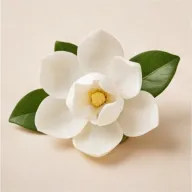
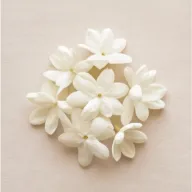
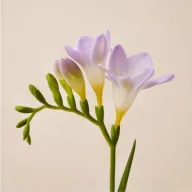
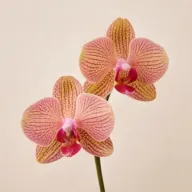
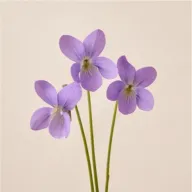
A glass-walled greenhouse sits perched above a quiet lake, the morning air still carrying a faint, dewy chill. Inside, terracotta pots overflow with lush white magnolias and delicate jasmine vines that climb toward the ceiling. A single silver bowl rests on a wooden bench, filled with fresh water and floating water lilies. As you lean in to examine a cluster of violet petals, the air shifts. The scent is not merely present, it defines the atmosphere. It opens with the cool, damp clarity of the water lilies, evoking the clean surface of the lake outside. This aquatic freshness intertwines immediately with the heart of the greenhouse. The white floral bouquet is dense and lush, yet it maintains a translucent quality. The freesia and orchid lend a soft, powdery elegance to the heavier jasmine, while the violet adds a gentle, leafy green touch that keeps the composition grounded in nature rather than in a laboratory.
There is a distinct texture to the air here, a blend of damp soil and expensive botanical oil. The floral density suggests a certain weight, yet it never becomes cloying or suffocating. Instead, the scent feels like a living canopy, a floral profusion that demands attention but offers comfort in return. The greenhouse is quiet, save for the occasional drip of water from a nearby spout, and the fragrance acts as the silence's only companion. It is a scent that captures the paradox of a cultivated garden: it is wild in its abundance of petals, yet orderly in its presentation. The floral accord is the star, not a singular note screaming for dominance, but a chorus of white petals that hum in unison.
As you walk toward the back of the room where the potting table sits, the scent changes its posture. The damp floral mist begins to pull back, revealing the bones of the structure. The cedar from the bench you are standing near seems to seep into the perfume, lending a dry, aromatic sharpness that cuts through the sweet pollen of the blossoms. Beneath that, the vetiver adds a rooty, earthy counterpoint, like the smell of crushed stems and wet bark after a rainfall. This woodiness does not overpower the flowers; it simply provides a sturdy, horizontal line for the vertical ascent of the jasmine to climb. It creates a sophisticated tension between the ethereal bloom and the sturdy earth.
You reach out to brush a hand against the rough bark of a potted cedar tree, and the fragrance settles into its final rhythm. The amber in the base warms the air around you, not with the heat of a spice, but with a golden, resinous glow that catches the sunlight streaming through the glass. It binds the dewy water lily to the dry cedar, smoothing the transition from the lake to the soil. The scent lingers in the cool, moving air of the greenhouse, a perfect synthesis of water, petal, and wood. It is a fresh, aquatic floral, anchored by a woody, amber-dusted dry down that smells of sun-warmed skin and crushed green leaves.
Smells similar
We matched these by the notes each one lists, giving more weight to the unusual ones they share. Sharing materials does not make one a copy of the other.