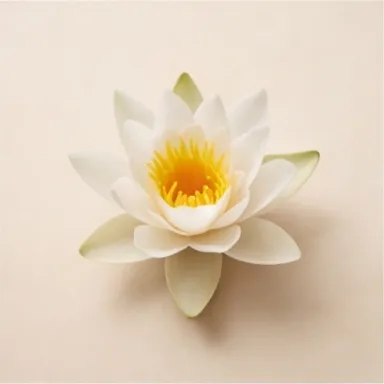
Water Lily
A cool, watery floral scent with soft petals, gentle sweetness, and a clean pond-like freshness.
You may know it from water lilies in a garden pond
Where it comes from
Water lily scent is recreated with aroma chemicals because the flowers yield little usable extract.
Worth knowing
Usually an imagined flower scent, not oil distilled from water lilies.
About water lily
The botanical water lilies are the genus Nymphaea, with 65 accepted species spread almost worldwide. Their flowers vary by species: some are fragrant, and some have no scent at all. The American white water lily, Nymphaea odorata, grows in still water from Central America to northern Canada, and its flowers open each day and close again each night.
A trade glossary puts it bluntly, saying that Nymphaea water lilies produce no commercially viable extract. The one extract in trade comes from blue lotus. In a study of plants collected in Hainan and Guangdong, China, the yields were 0.18% for the concrete and 0.09% for the absolute. That plant, Nymphaea caerulea, goes by blue lotus, water lily and Egyptian lotus, and perfumery also loosely calls the sacred lotus (Nelumbo nucifera), a separate plant, "lotus". Pink lotus absolute exists, and the glossary describes it as dense and creamy.
Analyses of the living flower describe a different chemistry from the perfume accord. In the cultivar 'Eldorado', benzaldehyde, benzyl alcohol, benzyl acetate, trans-alpha-bergamotene, alpha-curcumene and cis-alpha-farnesene are among the main volatiles. The stamens give off the most, then the petals, then the pistils, and the scent peaks at full bloom. A separate study of four hybrid strains, blue-purple, pink, yellow and white, found 64 volatile compounds.
The same glossary classes water lily as a "fantasy floral" and describes the accord as cool, clean and transparently floral, with a powdery-aquatic quality. It is rebuilt from clean floral materials, aquatic modifiers and powdery-transparent accords. One source names cyclamen aldehyde for watery-floral transparency, Helional for green-aquatic lift, Hedione for radiance and a trace of Calone, with the musks Habanolide and Galaxolide closing the base.
Calone is the aquatic edge in that list. It smells of sea breeze with slight floral and fruity overtones, and Pfizer discovered it in 1966.
Accords it shows up in
How many of the fragrances listing Water Lily in our catalogue also carry each accord. We counted this ourselves.
Often paired with
The notes that appear next to Water Lily most often in our catalogue.










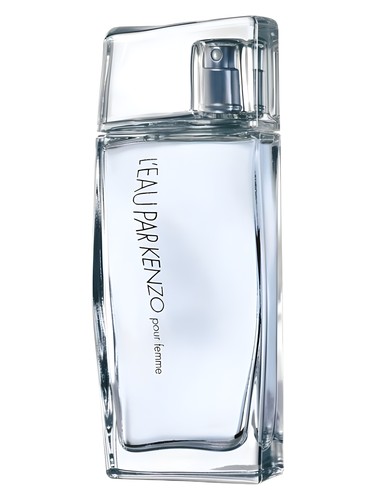
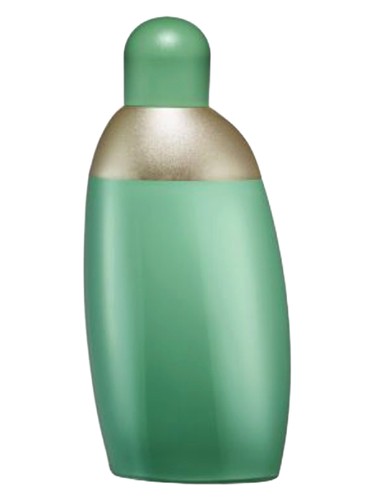
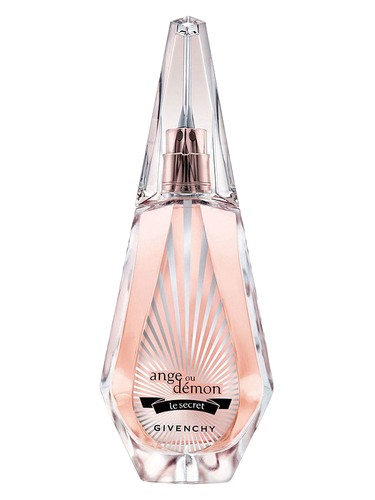
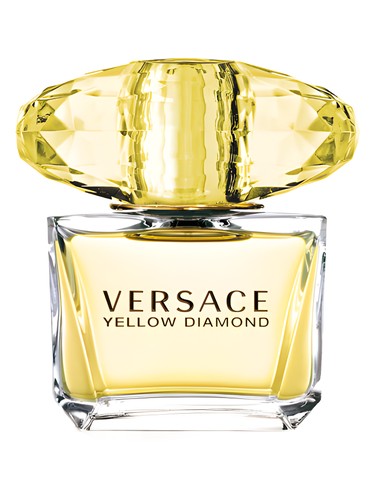
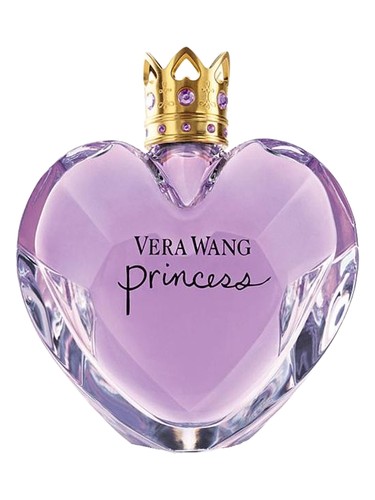
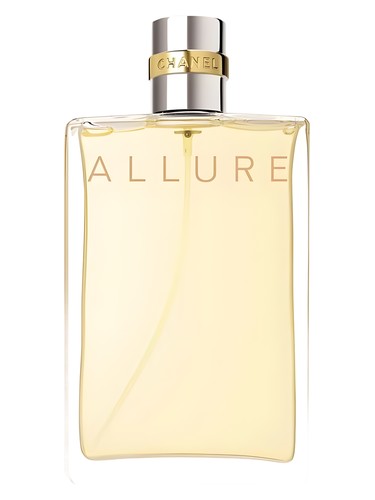
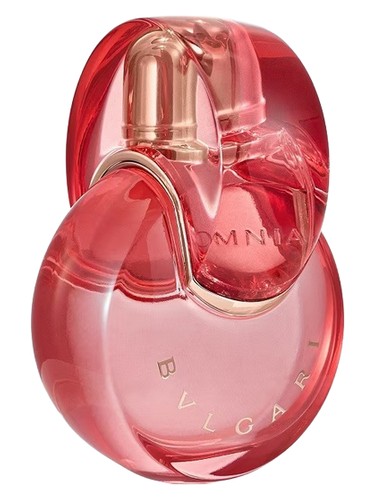
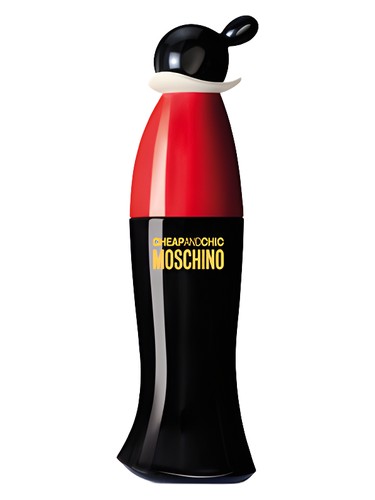
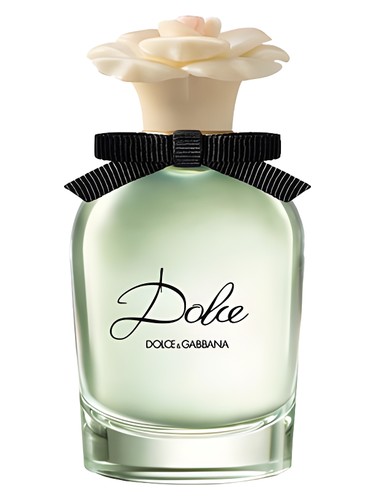
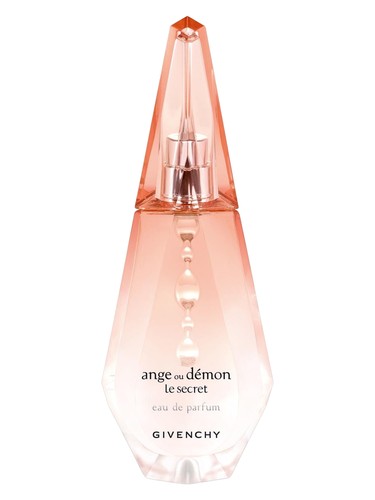
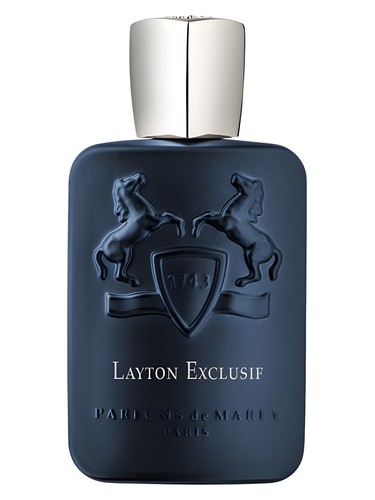
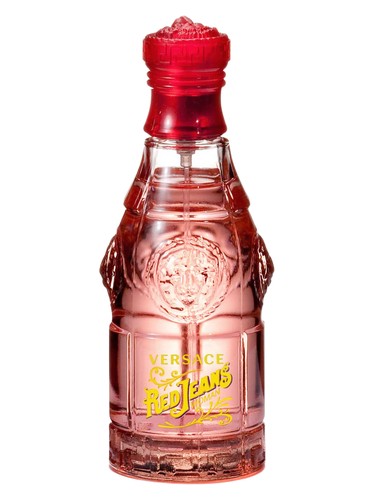
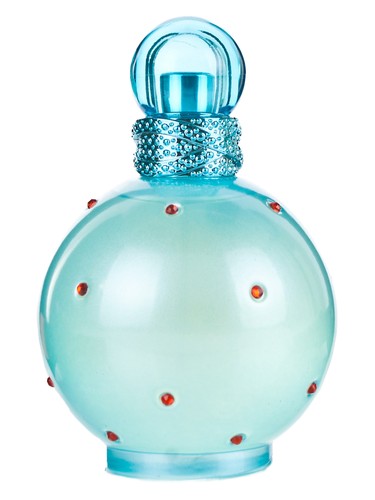
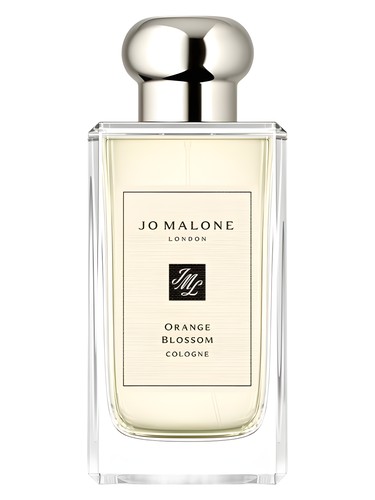
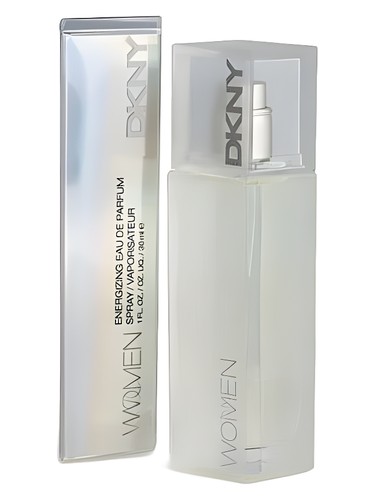
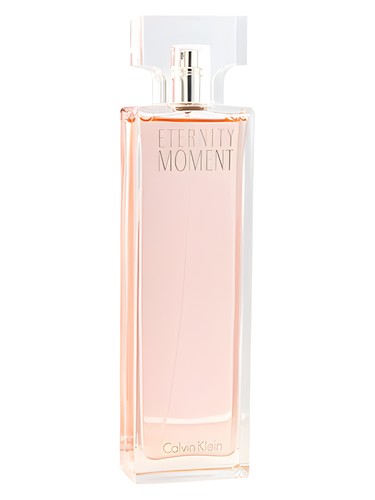
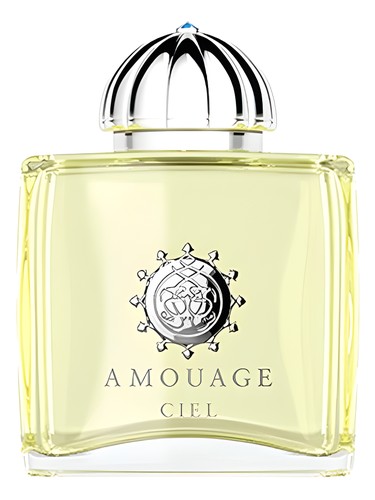
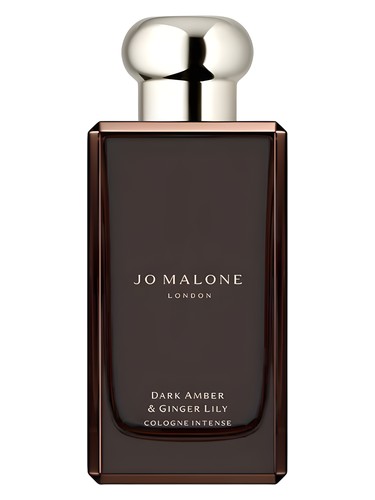
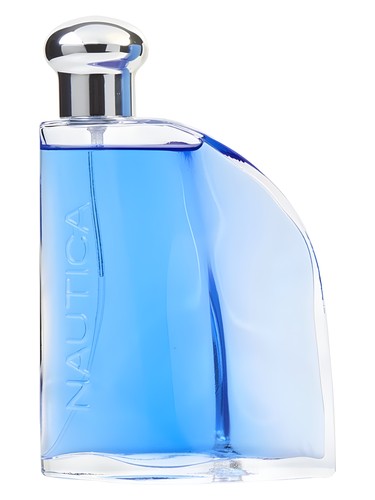
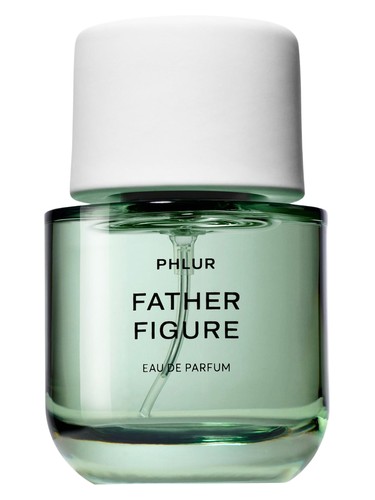
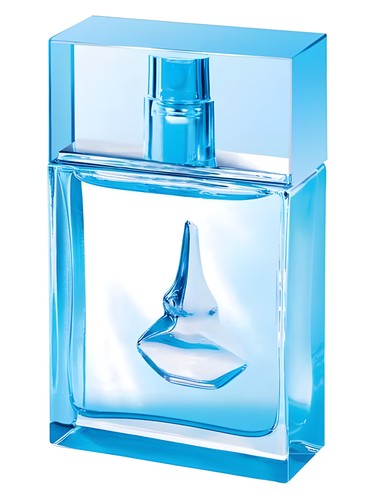
Well-known fragrances with Water Lily
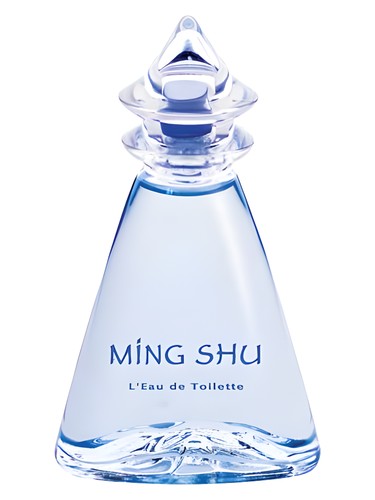
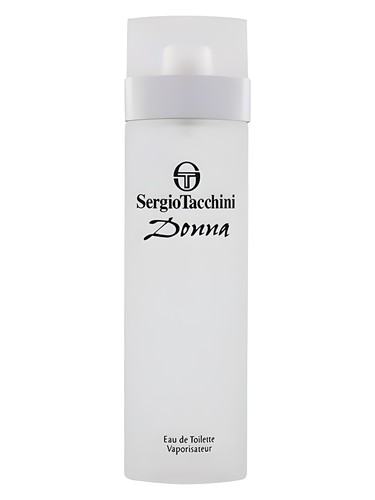
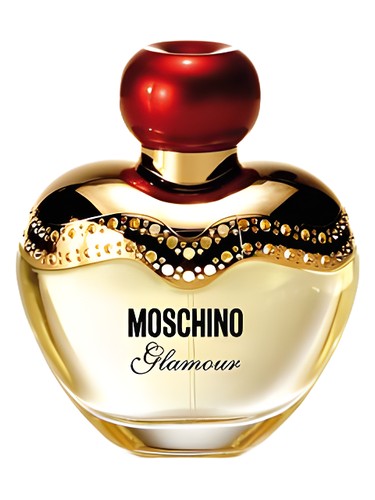
Fragrances that list it in their notes, most-rated first.
Houses that use it most
Ranked by how many of their well-known fragrances list Water Lily.