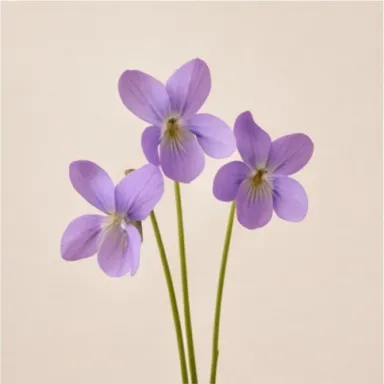
Violet
Soft, sweet flower petals with a powdery, slightly earthy freshness.
You may know it from Parma violet sweets
Where it comes from
Made from violet leaf extracts and synthetic materials; flower scent is usually reconstructed.
Worth knowing
Most violet-flower perfume scent is synthetic, not distilled from the blossoms.
About violet
The plant behind the note is Viola odorata, sweet violet. Its flowers and leaves were historically extracted separately, and they gave two different materials. The flower is sweet and powdery. The leaf is green, with a cut-grass, cucumber-like smell, so "violet" in a perfume can mean either one.
Grasse planted its first violet fields in 1867. By 1900 about 200 tonnes of Parma and Victoria flowers and 100 tonnes of leaves were being distilled there, and demand for violet essence in the 19th century far exceeded what makers could supply. The Parma violet had disappeared from Grasse by 1932. By the 1970s leaves were the main natural source, with 300 to 400 tonnes of Viola odorata leaves distilled. Natural flower absolute is described as extremely rare and expensive, while leaf absolute is the form you can actually buy.
Ionones filled the gap. They replaced the costly natural flower oil in commercial perfumery, which is why a violet note is usually reconstructed instead of taken from blossoms. Alpha- and beta-ionone both smell woody-floral. A review notes an extra honey facet in the alpha form, and Cafleurebon calls beta-ionone the truest to the flower. Plants make ionones themselves when carotenoids break down, so they turn up in many fruits and vegetables and in the rose as well as in violets.
Methyl ionones lean toward a powdery, orris-like and Parma-violet sweetness with a dry woody drydown. That overlap is why violet and iris accords sit so close together in perfumery.
Ionone has an odd effect on perception. Sources say it dulls the nose, so a violet smell seems to vanish after a few seconds even though the material is still there. One critic adds that once synthetic ionone became cheap it was used liberally, and that modern violets tend to read as powdery and candy-like.
Accords it shows up in
How many of the fragrances listing Violet in our catalogue also carry each accord. We counted this ourselves.
Often paired with
The notes that appear next to Violet most often in our catalogue.










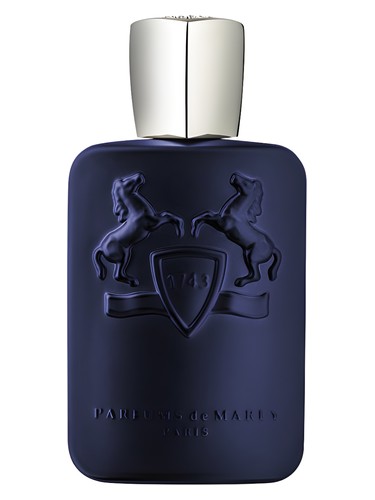
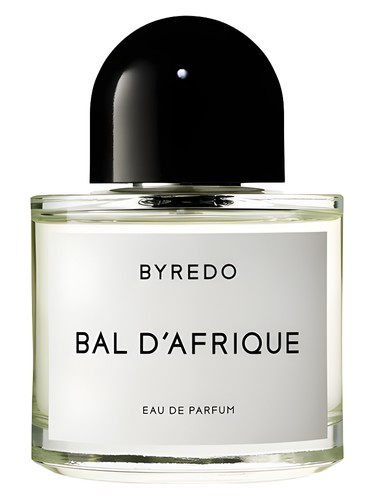
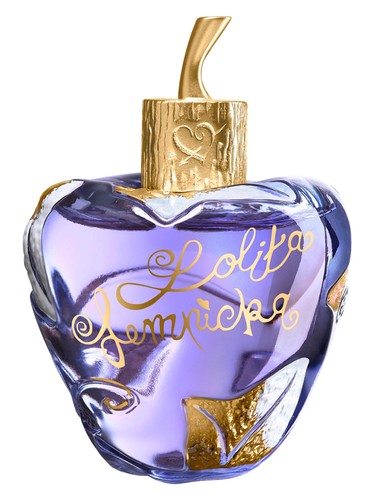
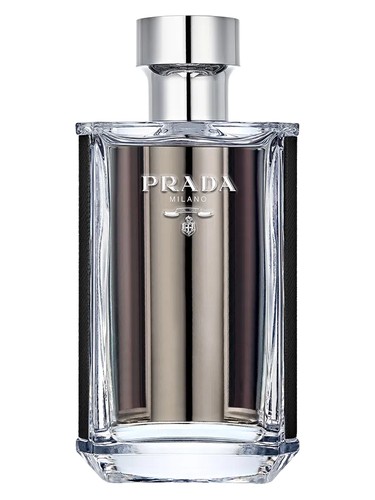
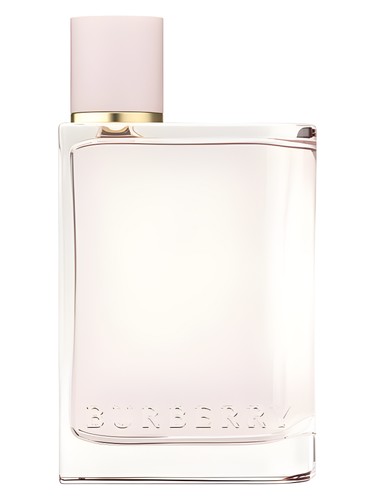
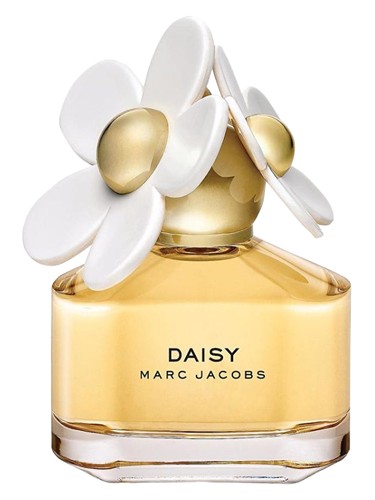
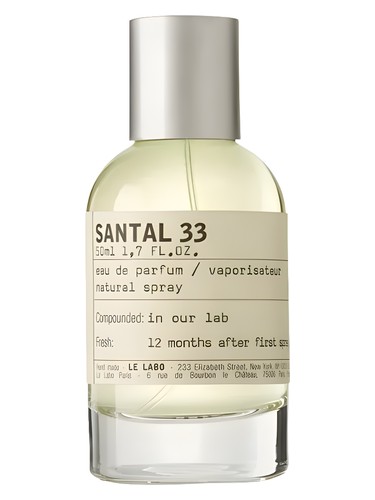
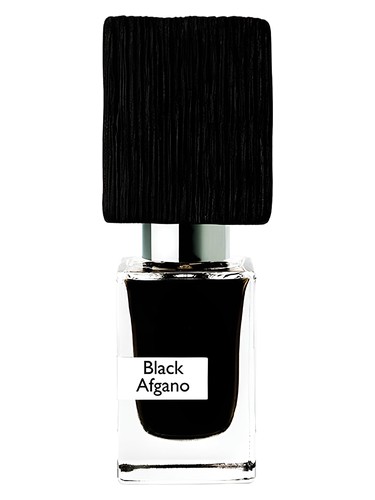
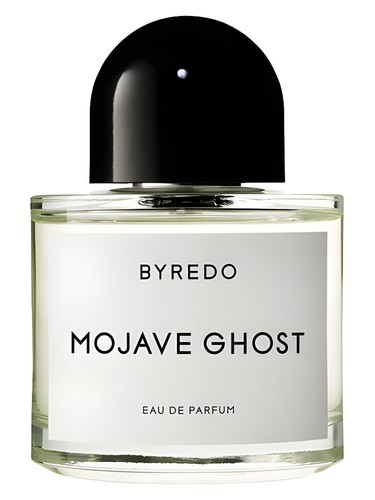
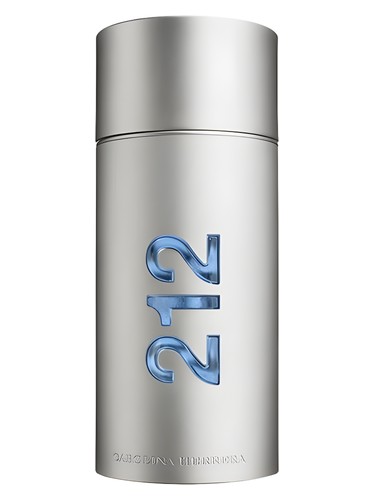
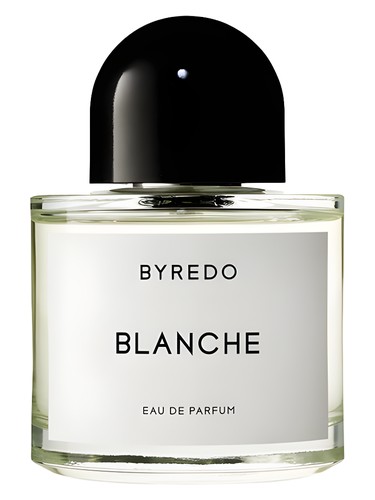
Well-known fragrances with Violet
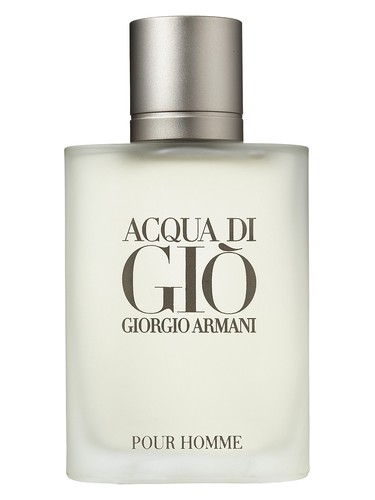
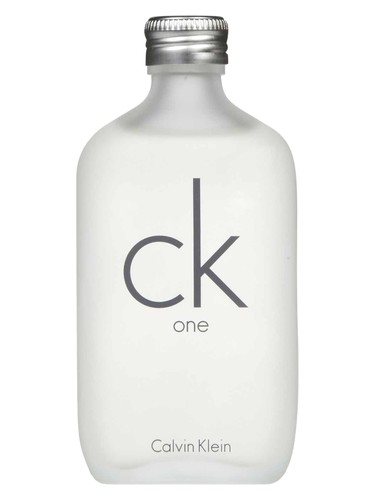
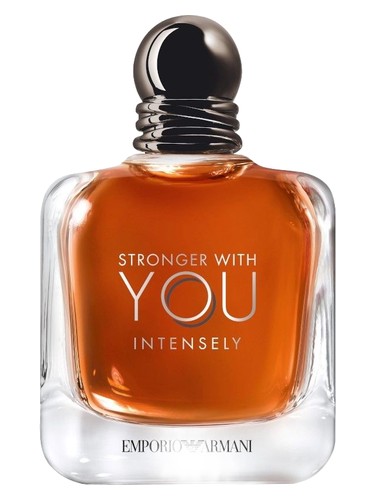
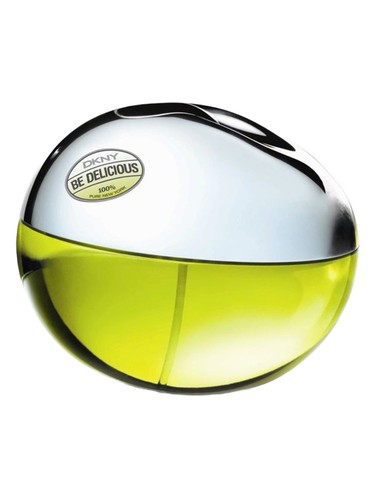
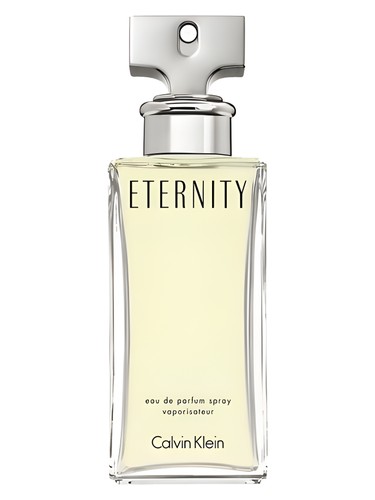
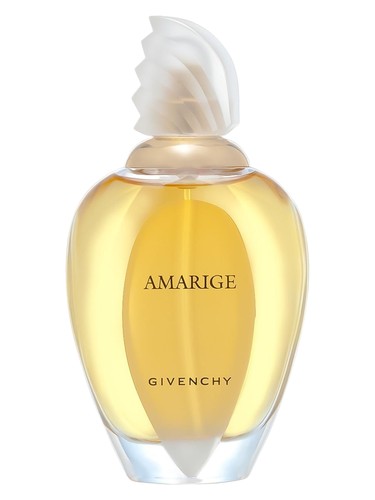
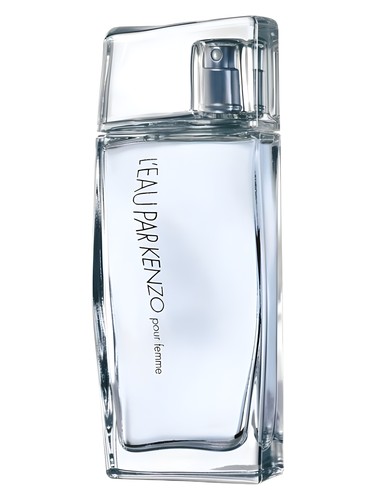
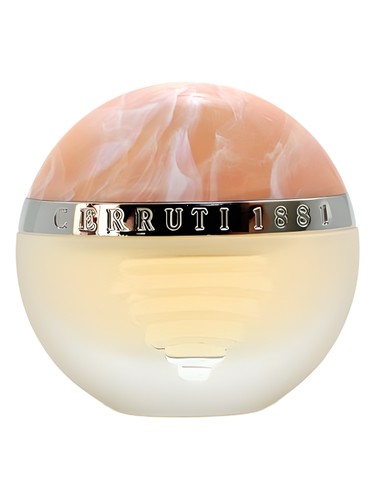
Fragrances that list it in their notes, most-rated first.
Houses that use it most
Ranked by how many of their well-known fragrances list Violet.