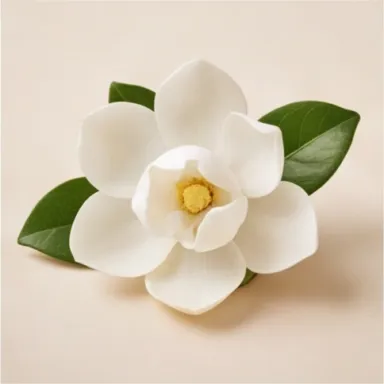
Magnolia
Creamy, lemony flower petals with a soft, slightly sweet freshness.
You may know it from A blooming magnolia tree
Where it comes from
Usually recreated from aroma chemicals because magnolia flowers yield little usable oil.
Worth knowing
Magnolia perfume is usually a reconstruction, not flower oil.
About magnolia
Magnolia on a perfume label can mean several different things. The natural oil that perfumery draws on comes from Michelia alba, white champaca, a hybrid of Magnolia champaca and Magnolia montana. Its flowers, leaves and stems all give essential oil by steam distillation. The tree is widely cultivated in southern China, in Fujian, Guangdong, Hainan, Guangxi and Yunnan, and one trade glossary says the flowers behind the workhorse oil come mainly from southern China and Java.
Chemically the oil is mostly linalool. A review puts it at 72.8% in flower oil and 80.1% in leaf oil. Other magnolias read very differently: a commercial oil made from dried buds of three Chinese medicinal species, Magnolia biondii, M. denudata and M. sprengeri, was 44.87% 1,8-cineole with 29.1% linalool. IFF describes its magnolia leaf oil as a fresh green violet-leaf linalool note. Champaca absolute is a different material again, and it takes about one hundred kilograms of flowers to make one kilogram.
What most bottles contain is built. The same glossary lists the usual parts of a commercial magnolia accord: hydroxycitronellal, which it calls waxy and linden-like, powdery-sweet heliotropin, benzyl salicylate as a diffusive floral base, and linalool. Supplier notes for magnolia bases describe crisp green top notes over lily, jasmine and rose. Hedione, a synthetic relative of methyl jasmonate, is credited with a dewy, lemony magnolia-jasmine dimension without being directly floral, and Eau Sauvage was the first commercially successful fragrance to use it.
The plant itself is old. The genus holds roughly 210 to 340 species depending on who counts, and its flowers are theorized to have evolved for pollination by beetles, which existed before bees.
Accords it shows up in
How many of the fragrances listing Magnolia in our catalogue also carry each accord. We counted this ourselves.
Often paired with
The notes that appear next to Magnolia most often in our catalogue.











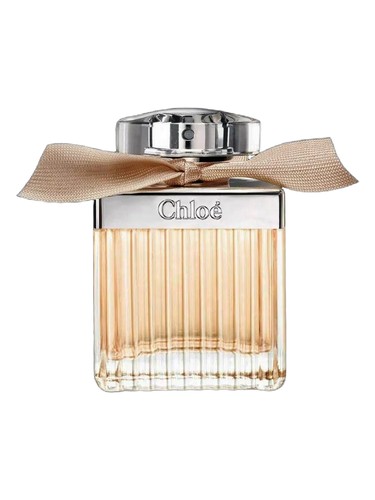
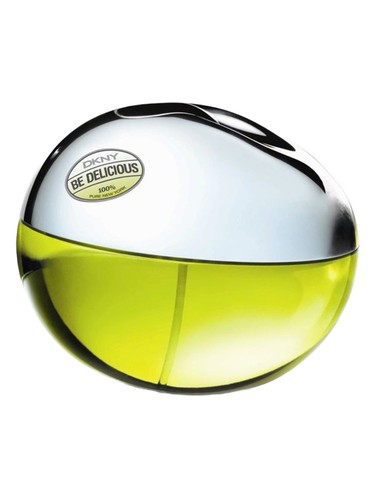
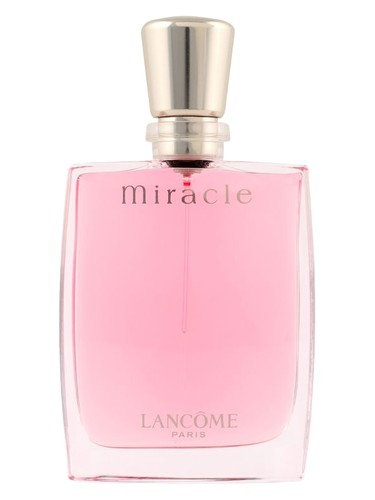
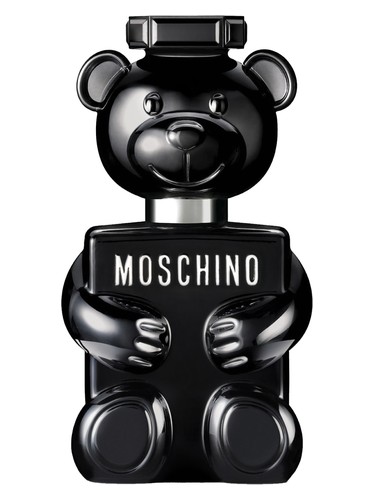
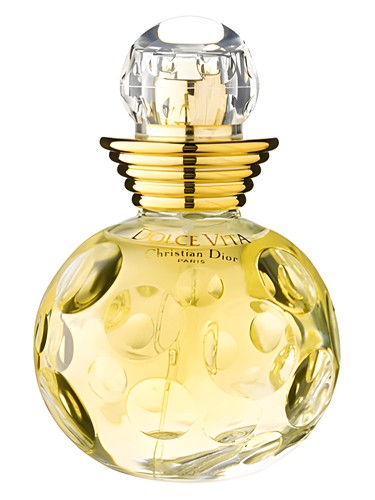
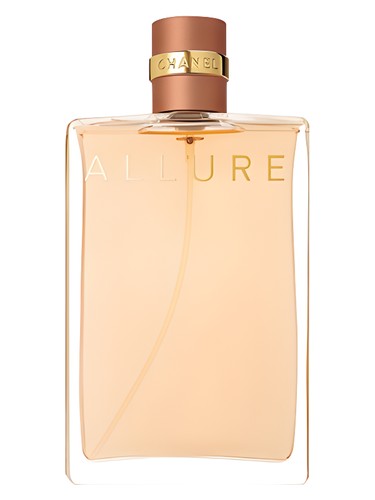
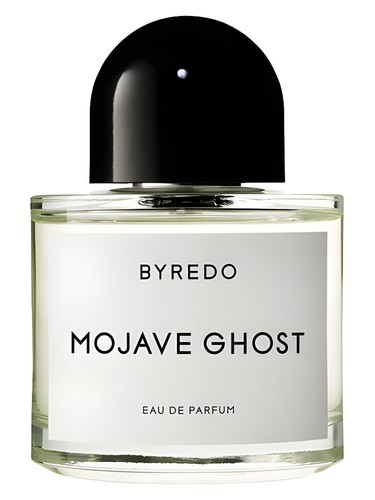
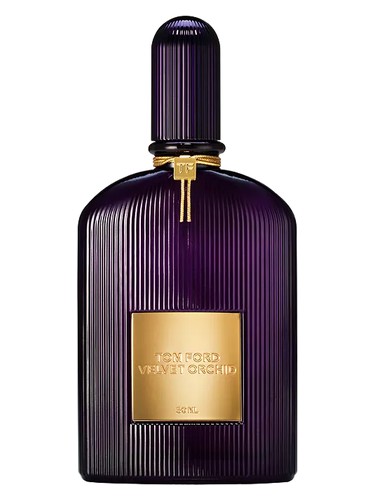
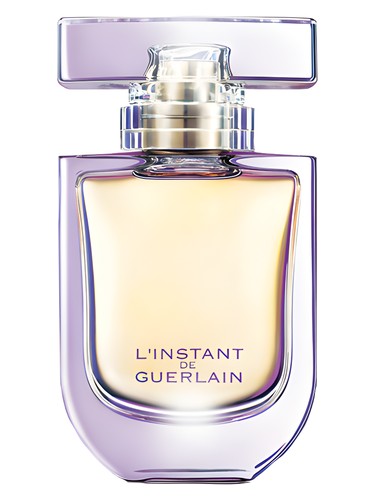
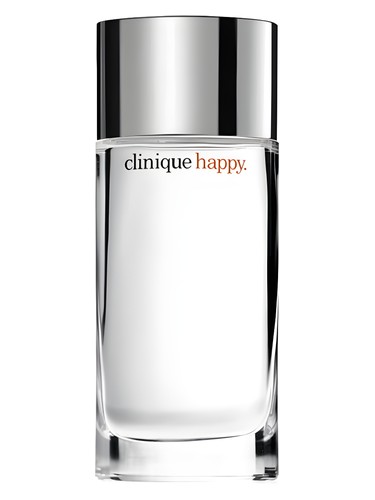
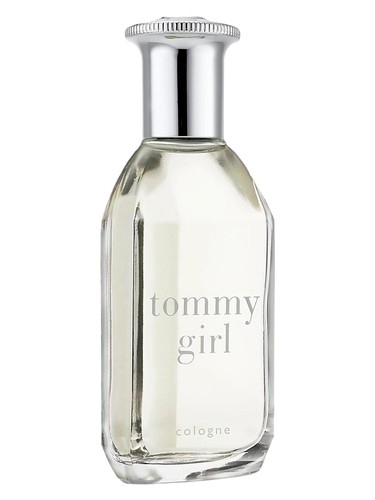
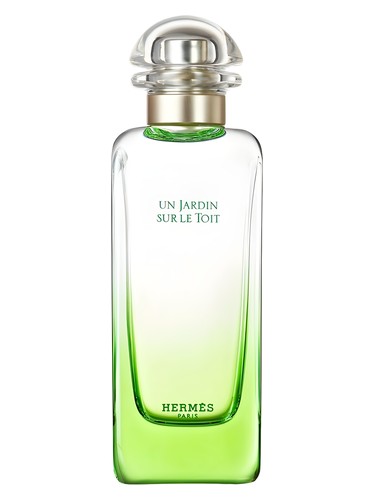
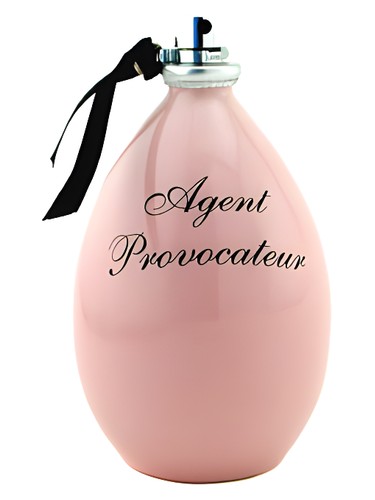
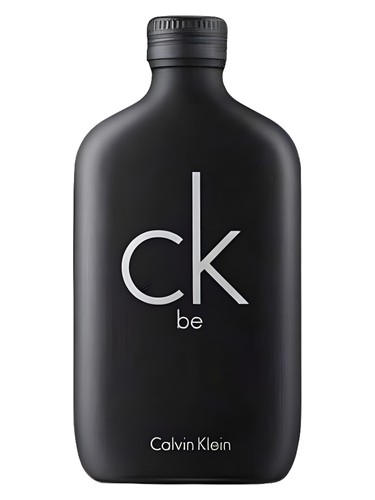
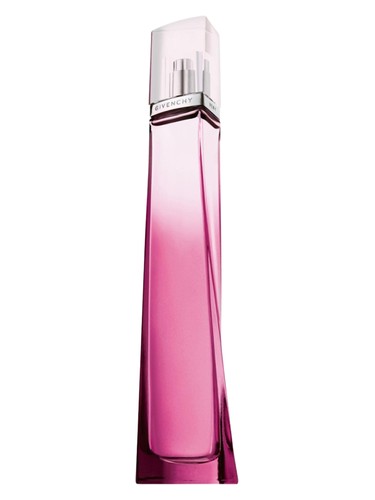
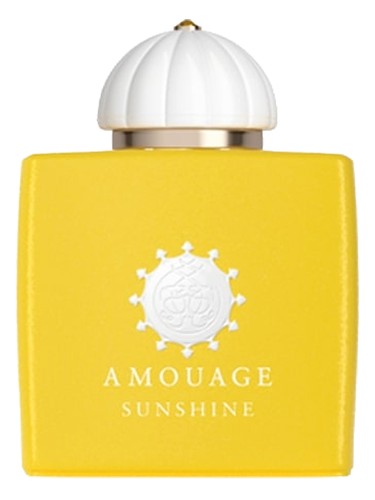
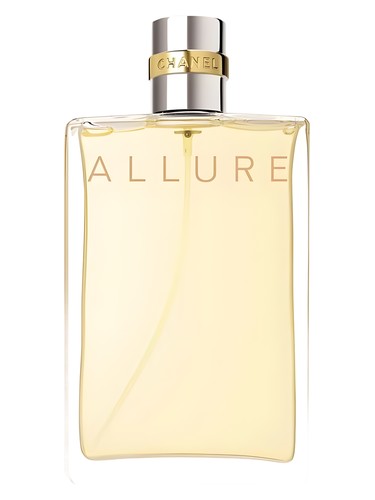
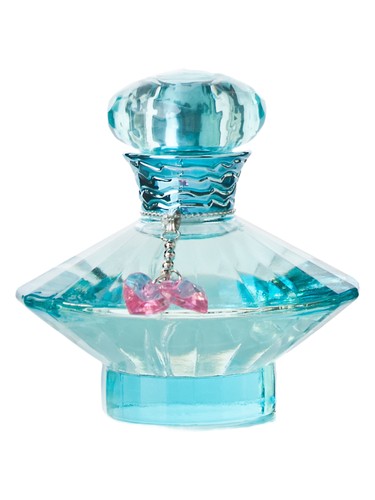
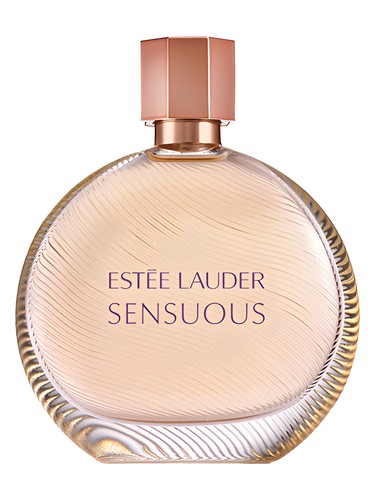
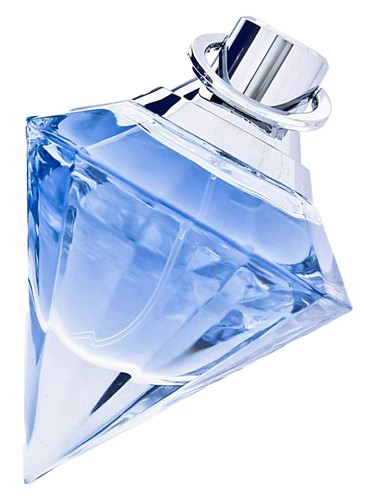
Well-known fragrances with Magnolia
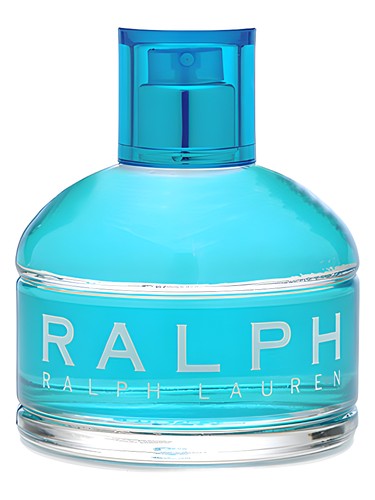
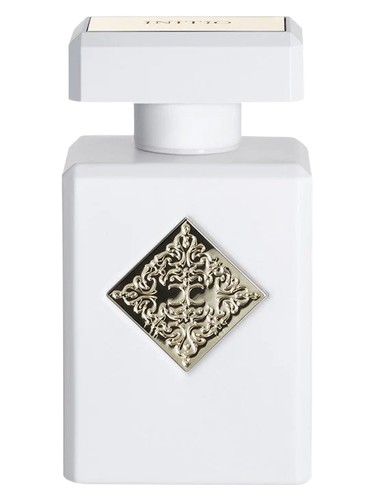
Fragrances that list it in their notes, most-rated first.
Houses that use it most
Ranked by how many of their well-known fragrances list Magnolia.