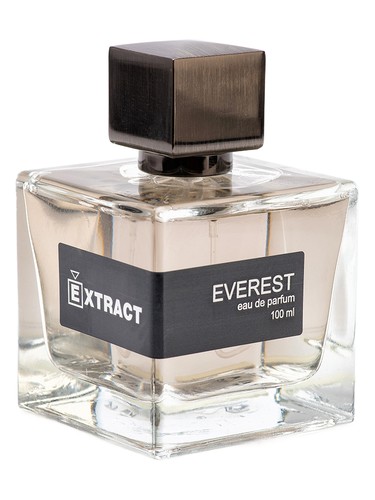
Everest
Fragrance notes




Character
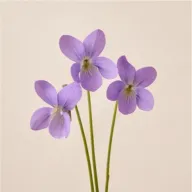
The cafe corner table sits near a rain-streaked window, and the air outside is the specific kind of cold that turns breath visible. Inside, the steam from a cup of black coffee rises into the dry, warmed air. The scent of Everest does not shout over the space. It starts quietly, with a cool, slightly powdery floral tone that feels more like a fabric than a flower. This violet is not sweet or perfumed. It is grounded immediately by cedar, a dry, sharpened wood that keeps the opening clean and structured. It smells like a wool coat that has been brushed clean of city dust.
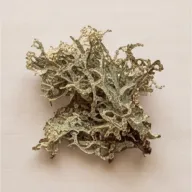
As the conversation at the neighboring table fades into a low murmur, the scent settles closer to the skin. The green, earthy bitterness of vetiver anchors the middle, but it is the oakmoss that defines the atmosphere. It carries a damp, shadowed quality, reminiscent of wet bark and stone rather than a manicured garden. There is a distinct lack of brightness here. The aromatic qualities are muted, leaning into the mossy and earthy accords that give the fragrance its serious, grounded weight. It feels like a scent for someone who prefers the quiet corners of the room, comfortable in the absence of noise.
The dry, green sharpness eventually softens as the base notes begin to warm against the skin. The musk arrives not as a heavy animalic note, but as a clean, blurred edge that makes the preceding notes feel softer. Tonka bean adds a hint of vanilla and sweetness, though it stays buried under the powder and amber, refusing to let the scent become a comfort food gourmand. It remains a masculine, woody profile where the sweetness is a ghost rather than a feature. You are standing on a high ridge, the wind biting, smelling the crushed needles and dark soil under your boots.
Smells similar
We matched these by the notes each one lists, giving more weight to the unusual ones they share. Sharing materials does not make one a copy of the other.