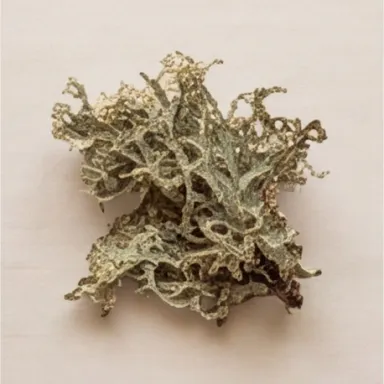
Oakmoss
Damp forest floor, tree bark, dry leaves and a faint inky, earthy bitterness.
You may know it from lichen-covered tree bark after rain
Where it comes from
Extracted from Evernia prunastri lichen gathered from tree bark.
Botanical name: Evernia prunastri
Worth knowing
Despite its name, it is a lichen, not moss from oak trees.
IFRA rules
IFRA restricts Oakmoss extracts to 0.1% in fine fragrance, citing dermal sensitization.
From the IFRA Standards, 51st Amendment. A perfume that lists this note may use a synthetic version the Standard does not cover.
About oakmoss
Oakmoss is a lichen, Evernia prunastri, a fungus and an alga living together in flat, branching straps on tree bark. It is gathered in winter and spring in the Balkans and Morocco and shipped to Grasse. There it is extracted with solvent into a concrete, then with alcohol into an absolute, a dark green paste. About 100 kg of lichen gives 1 kg of absolute.
Perfumers describe the smell as earthy, bitter, damp and mushroomy, with hints of seaweed, leather and smoke. It lasts, so it works as a base note and fixative. In 1917 François Coty built Chypre on a citrus top, labdanum in the heart and oakmoss in the base, and that structure named a whole family of perfumes, the chypres.
The problem is skin. Two of its constituents, atranol and chloroatranol, are strong allergens. The EU's Scientific Committee on Consumer Safety judged them unsafe in cosmetics, and noted that earlier efforts to reduce them in oakmoss absolute had not lowered allergy rates among patients. IFRA restricts oakmoss heavily, and many classic chypres were reformulated; the original Miss Dior is the example Wikipedia gives. Oakmoss is still allowed when it is free of those two compounds, and suppliers such as Biolandes make extracts without them. The treated grades are said to smell thinner than the old material, so a reformulated chypre is not the perfume it was.
More than 170 constituents have been identified in natural oakmoss, so no single molecule replaces it. Perfumers use filtered oakmoss, or Evernyl, a synthetic version of its main odour molecule (methyl beta-orcinol carboxylate), or patchouli in its place. Treemoss (Pseudevernia furfuracea), a related lichen, falls under the same restriction and smells drier and smokier.
Accords it shows up in
How many of the fragrances listing Oakmoss in our catalogue also carry each accord. We counted this ourselves.
Often paired with
The notes that appear next to Oakmoss most often in our catalogue.












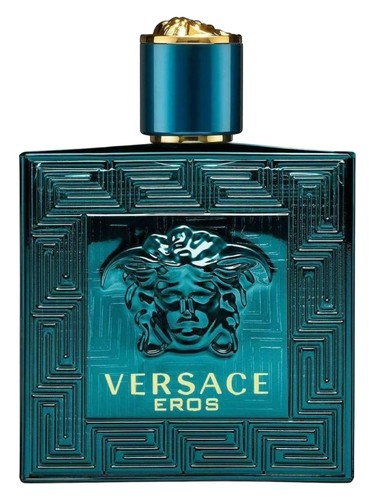
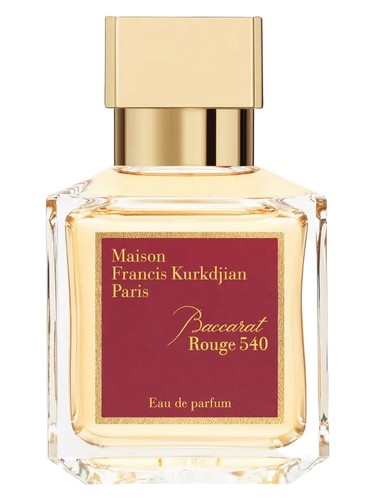
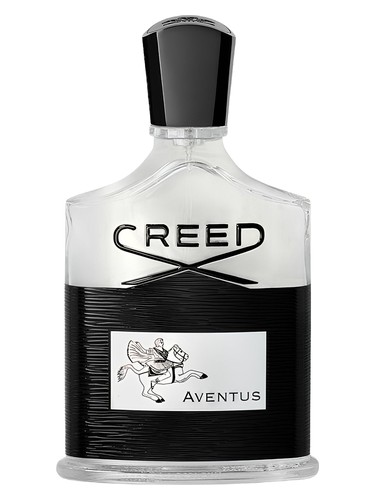
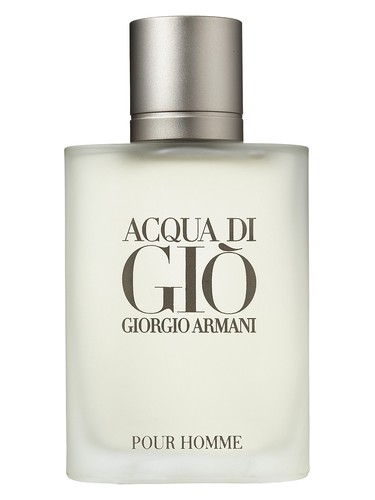
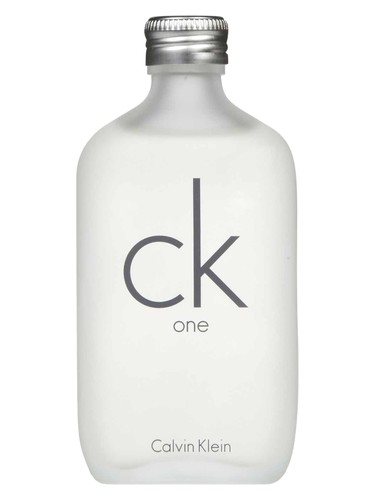
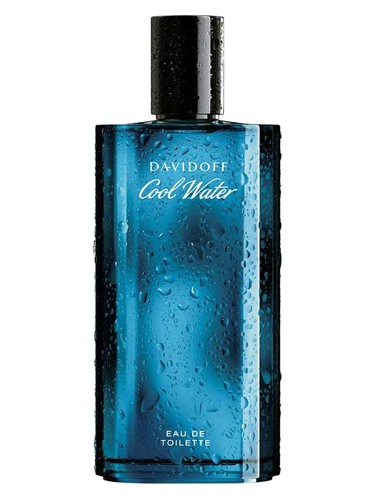
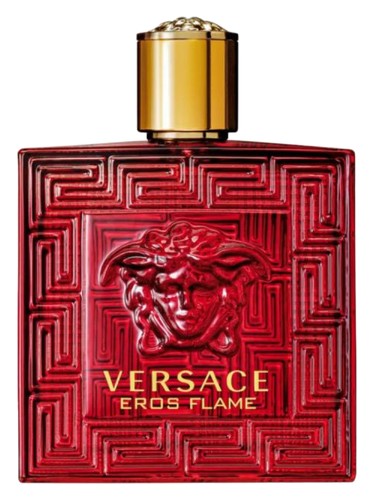
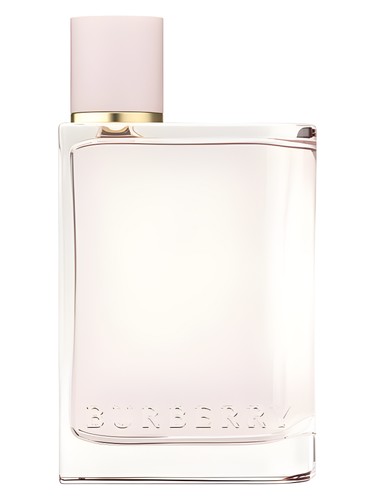
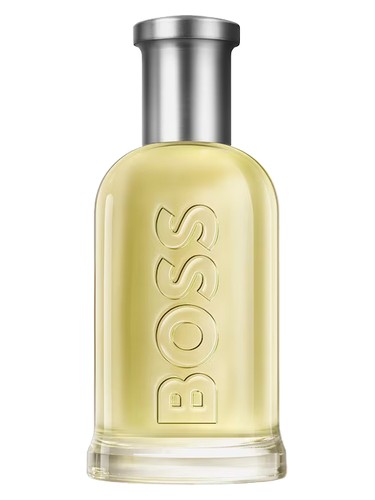
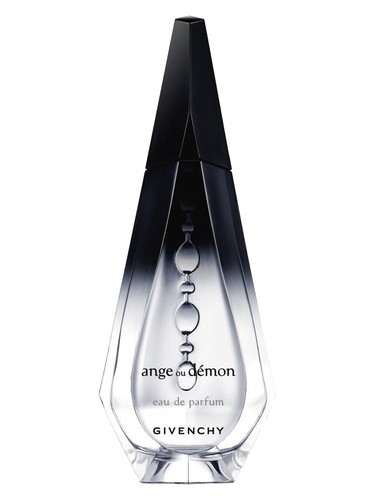
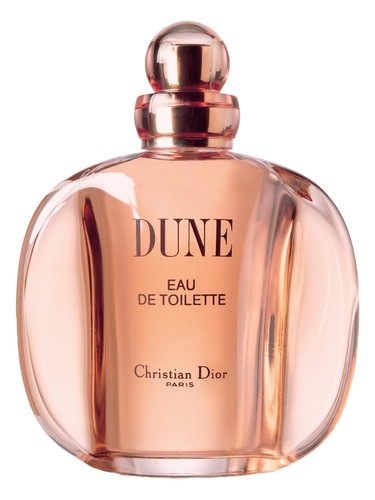
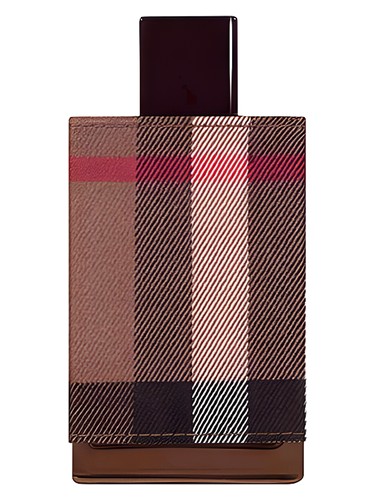
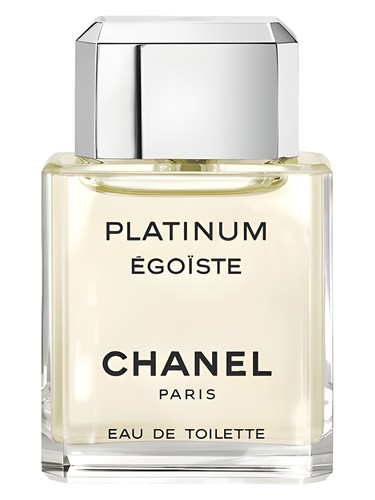
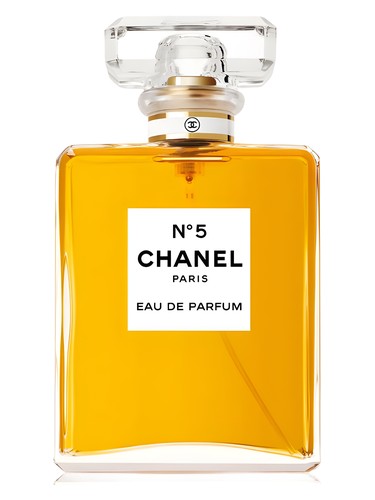
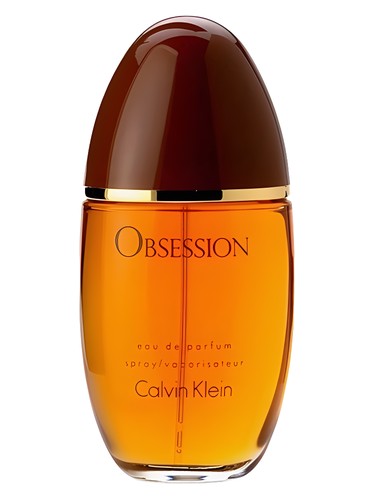
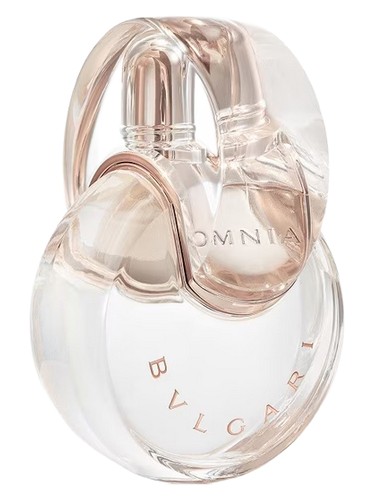
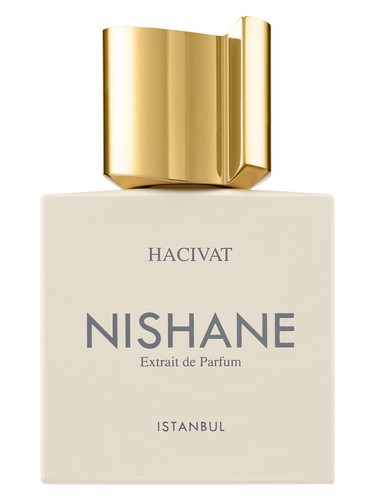
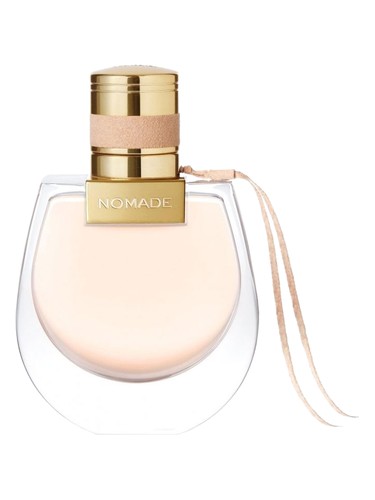
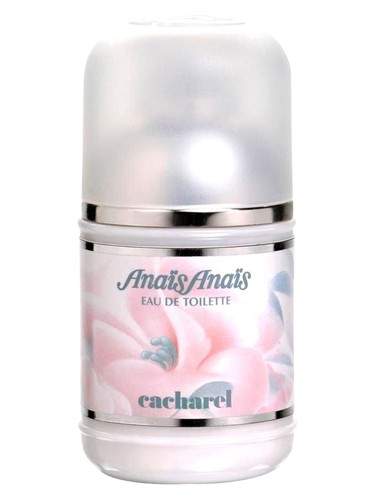
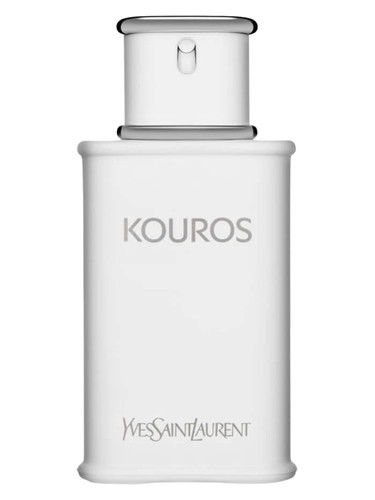
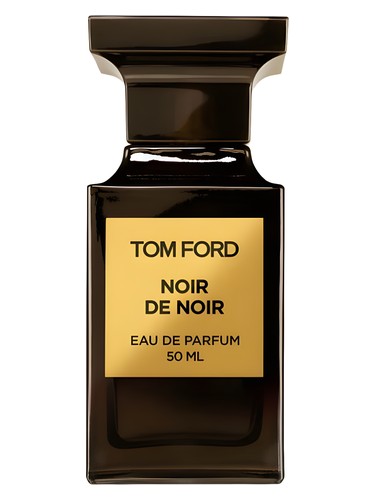
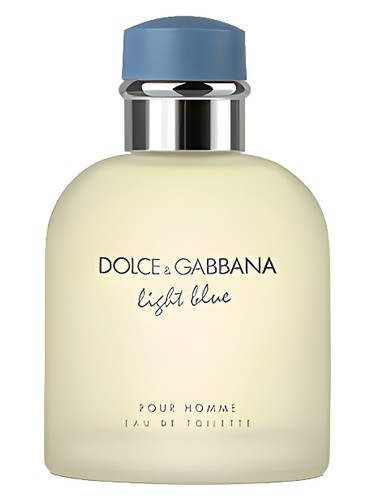
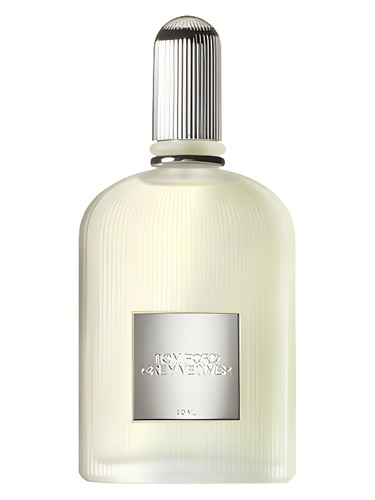
Well-known fragrances with Oakmoss
Fragrances that list it in their notes, most-rated first.
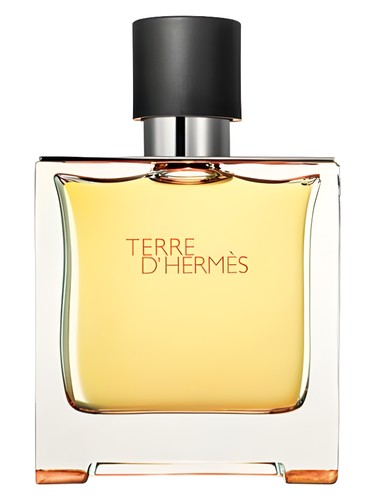
Houses that use it most
Ranked by how many of their well-known fragrances list Oakmoss.