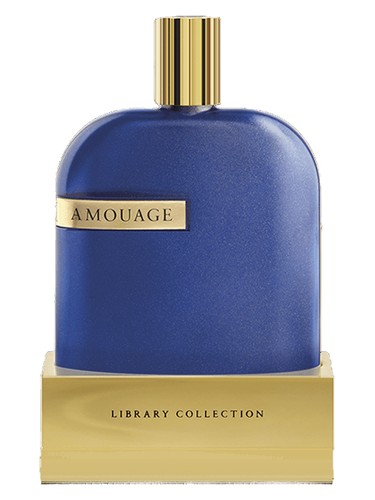
The Library Collection Opus XI
Fragrance notes
Character
The Library Collection Opus XI opens with a sharp, green jolt of marjoram, the kind of herbal slap that suggests an apothecary cabinet rather than a garden. That briskness is quickly swallowed by a thick, medicinal oud, a note that sits low and resinous, refusing to apologize for its density. As it dries, styrax and leatherwood fuse into something dark and brittle, like the spine of a decades-old folio cracking open for the first time. The longevity is punishing in the best way, nearly eight hours of stubborn presence, and the sillage hovers close but deliberate, never clouding a room but leaving a clear scent trail.
This is not a fragrance you wear, it is a fragrance you submit to. It feels heavy, balsamic, almost smoky, with an austerity that borders on monastic. The image that sticks is a leather-padded chair in a forgotten reading room, the air thick with dust and something vaguely liturgical. It is deeply natural in its construction, raw oud and balsamic resins, but the composition leans so far into ponderous territory that it risks becoming unwearable for anyone not prepared for its gravity. Can a perfume be too thoughtful for its own good?
Opus XI belongs to the man who dresses for the ceremony of his own solitude, the one who wants a scent that commands attention without shouting. It is perfect for a November evening in a wood-paneled study or a late dinner in a city that remembers its own history. Skip it if you crave brightness, sweetness, or anything that smiles. This is a scent for the shoulder seasons and the deep winter, for night air and the quiet that follows.
Smells similar
Built from the same materials — ranked by how unusual the shared notes are, not by how many.