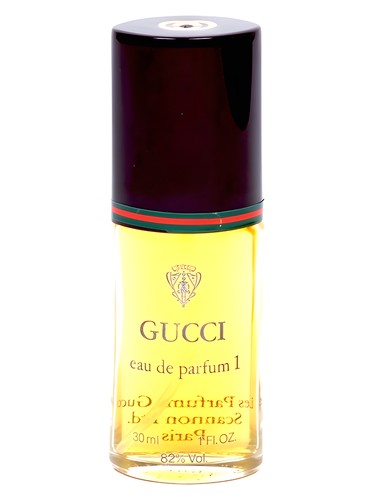
No 1 Eau de Parfum
Fragrance notes
Character
This is a chypre that wears its 1974 birthdate like a silk scarf, unfurling with a brisk, green slap of aldehydes and hyacinth, a sharp citrus tang from Amalfi lemon, and the faintly woody rosiness of palisander. It opens with an air of careful, polished femininity, a perfume that means business. The heart is a Victorian garden in full riot, carnation, rose, ylang-ylang, lilac, iris, jasmine, each flower stepping forward to take a bow before blending into a creamy, powder-dusted bouquet. Then the drydown arrives, a woody, mossy anchor of oakmoss and patchouli softened by amber, benzoin, and a trace of vanilla, turning the bloom into something warm, grounded, and slightly nostalgic.
The overall character lands like a vintage powder compact left on a mahogany vanity. It feels thoroughly natural, a lush floral with an aromatic backbone, neither sickly sweet nor harshly synthetic. It is unapologetically mainstream for its era, but the depth and craftsmanship put it leagues above modern department store fluff. The sillage is polite, close enough to be intimate, and longevity is a modest three to four hours before it becomes a skin scent. This is its honest weakness. Those numbers reflect a fragrance that whispers rather than shouts, a deliberate choice.
Wear this for a spring wedding or a crisp autumn afternoon, a day spent in good company. It suits someone who appreciates old school grace, a woman who knows the power of understatement and prefers a floral that smells like flowers, not candy. Skip it if you demand projection that fills a room or crave sugary gourmands. Where else can you find a fragrance that balances a green sting, a floral crush, and a woody sigh so beautifully?
Smells similar
Built from the same materials — ranked by how unusual the shared notes are, not by how many.